Meaning
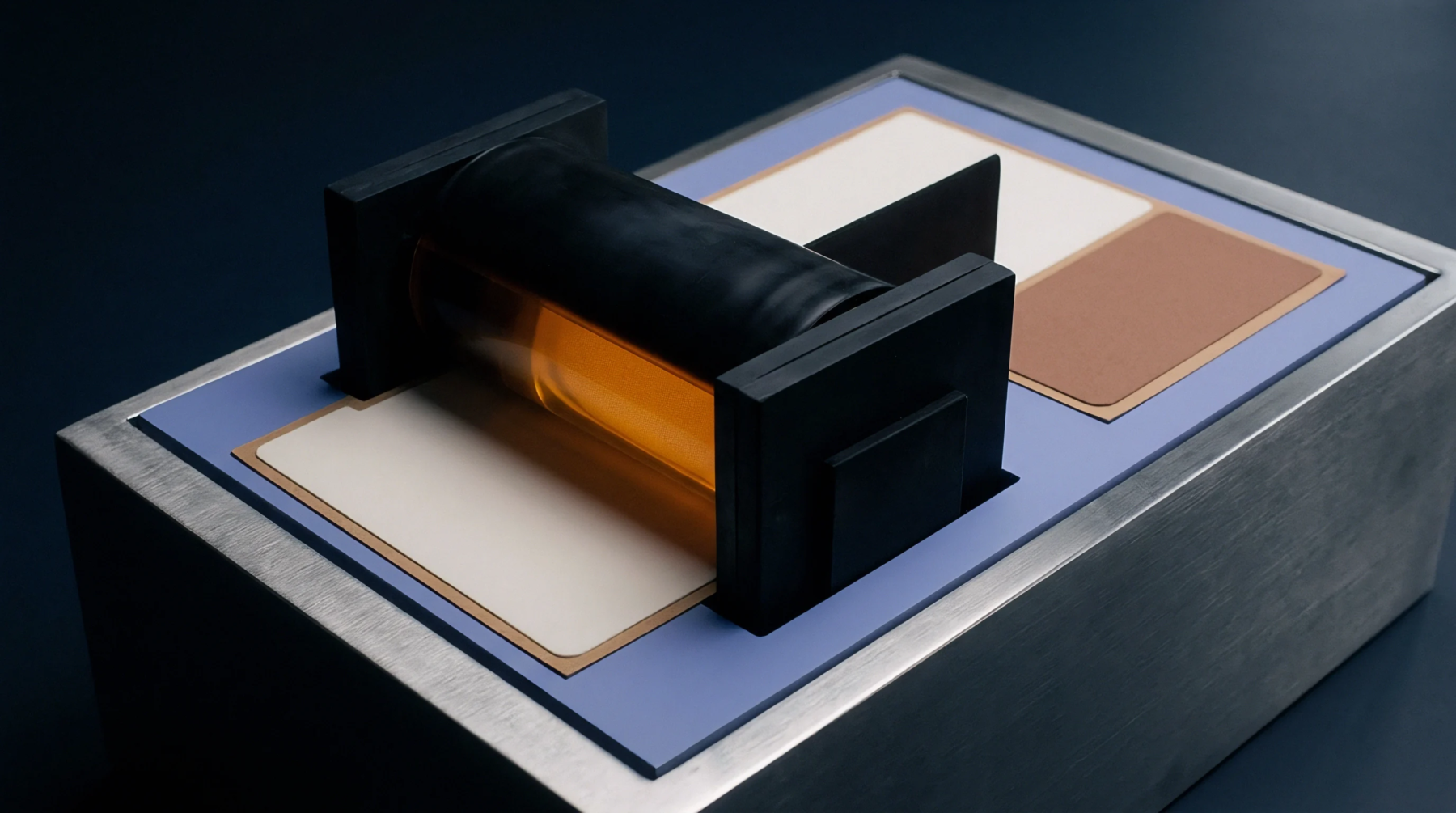
High-temperature ceramic components channel liquid metal streams without reacting with reactive melt species or thermal shocks. In gas atomization and continuous casting systems, a boron nitride tip acts as the final contact orifice directing molten metal into the atomization zone. Synthesized from hexagonal boron nitride, this component provides chemical inertness and resistance to rapid thermal cycling up to two thousand degrees Celsius in inert atmospheres.
Its function ends at the mechanical interface with the gas die assembly, where thermal gradient management prevents melt freezing inside the nozzle bore.
Thermal Stability
Non-wetting characteristics prevent molten alloys from adhering to internal flow channels. Operating a boron nitride tip under steady heat flux minimizes skull formation and maintains a constant stream diameter during atomization runs. Low thermal expansion prevents micro-cracking during initial preheating.
Wear Mechanism
Erosion of the ceramic structure occurs through mechanical shear from high-velocity liquid metal flow over time. Mechanical degradation of a boron nitride tip widens the orifice diameter, increasing mass flow rates and coarsening the atomized powder size distribution. Severe thermal gradients can also induce cleavage along grain boundaries.
Procurement Standard
Technical purchasing specifications define material density and binder content for refractory inserts. Sourcing a boron nitride tip requires verification of hot-pressed density and purity levels to prevent trace oxide contamination in high-purity alloy powders. Quality documentation specifies maximum allowable surface porosity and dimensional tolerances for nozzle alignment.