
Evaluating Radiant Flux Boundaries for Reduced Energy Storage System Clearances
Reduced energy storage clearances require UL 9540A full-scale fire test proof showing adjacent cabinet radiant flux stays below 12.5 kW/m² to prevent fire spread.
Reduced energy storage clearances require UL 9540A full-scale fire test proof showing adjacent cabinet radiant flux stays below 12.5 kW/m² to prevent fire spread.
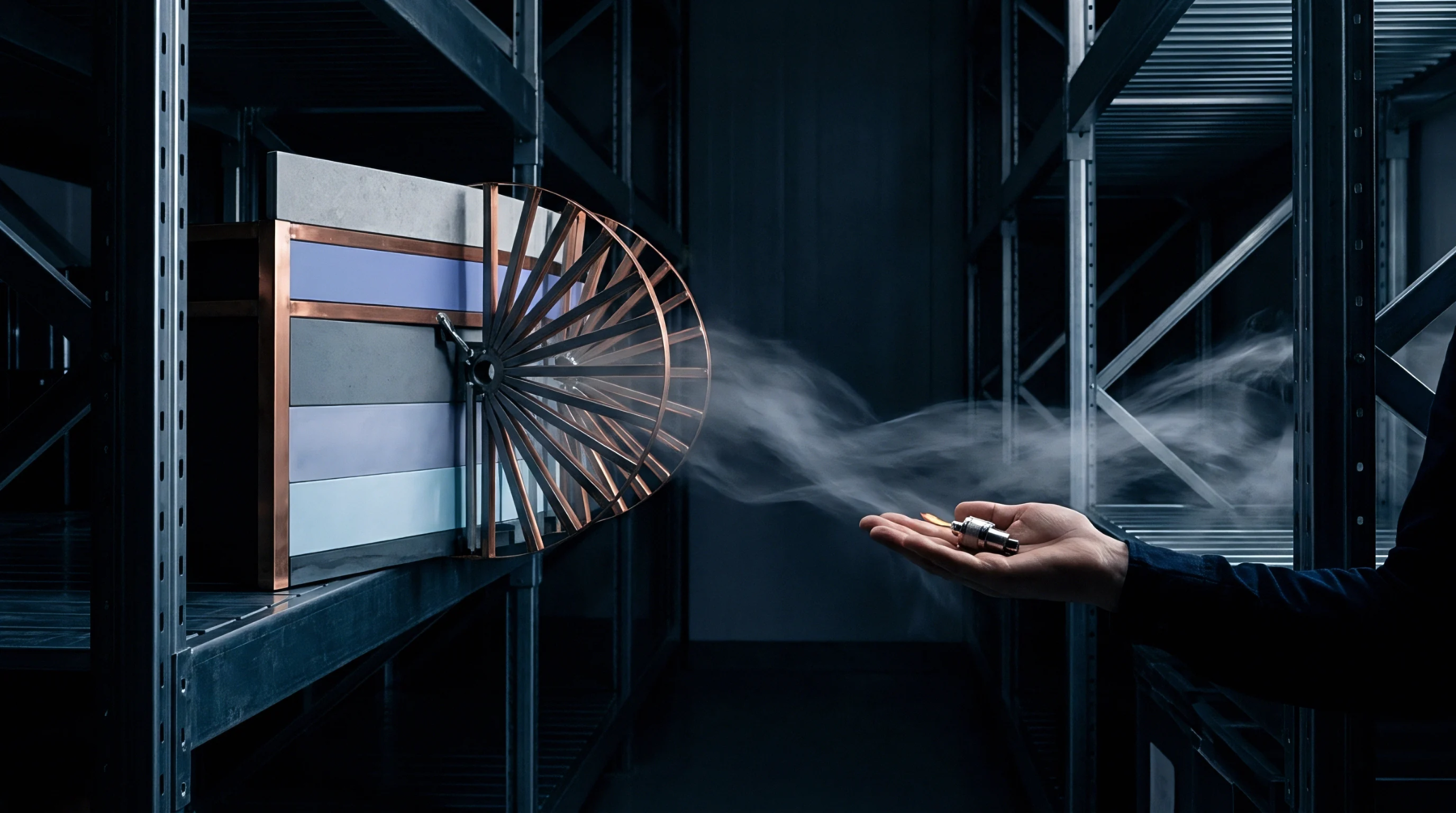
Unit-level UL 9540A metrics define gas generation, radiant heat flux, and deflagration limits needed to clear NFPA 855 unit separation mandates.
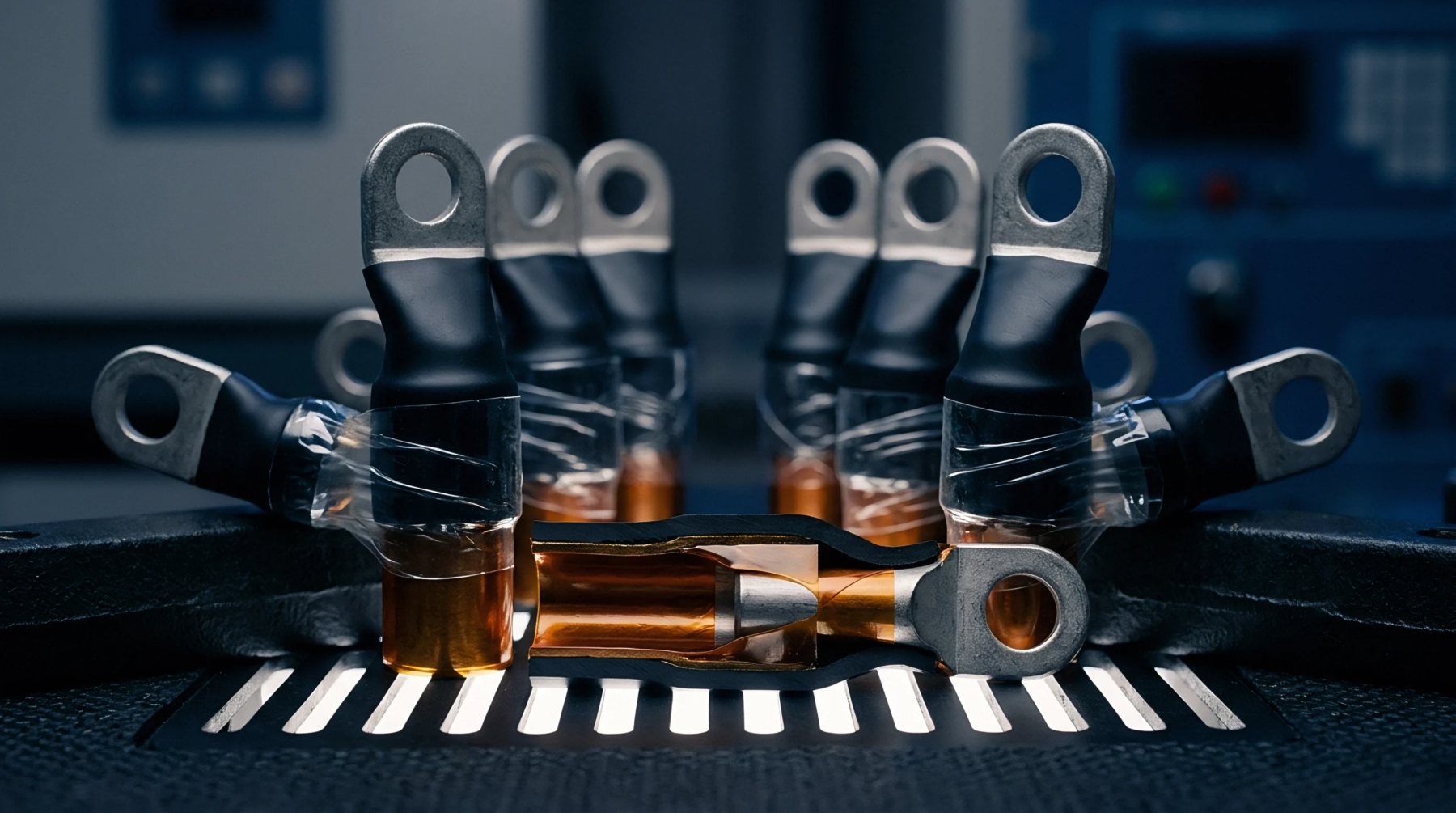
Dynamic voltage drift screening at elevated temperature separates benign chemical decay from dangerous internal micro-shorts in received lithium cell lots.
Enforce ANSI ASQ Z1.4 Level II sampling with AQL 0.010 for critical safety flaws and Kelvin OCV IR screening to reject defective lithium cells at receiving dock.

Inbound cell receiving mandates thermal quarantine, UN 38.3 documentation verification, four-wire impedance sampling, and strict AQL defect thresholding.
Managing fluorinated electrolyte imports requires aligning chemical identities with diverging PFAS rules, UN drum packaging, and strict contractual indemnities.
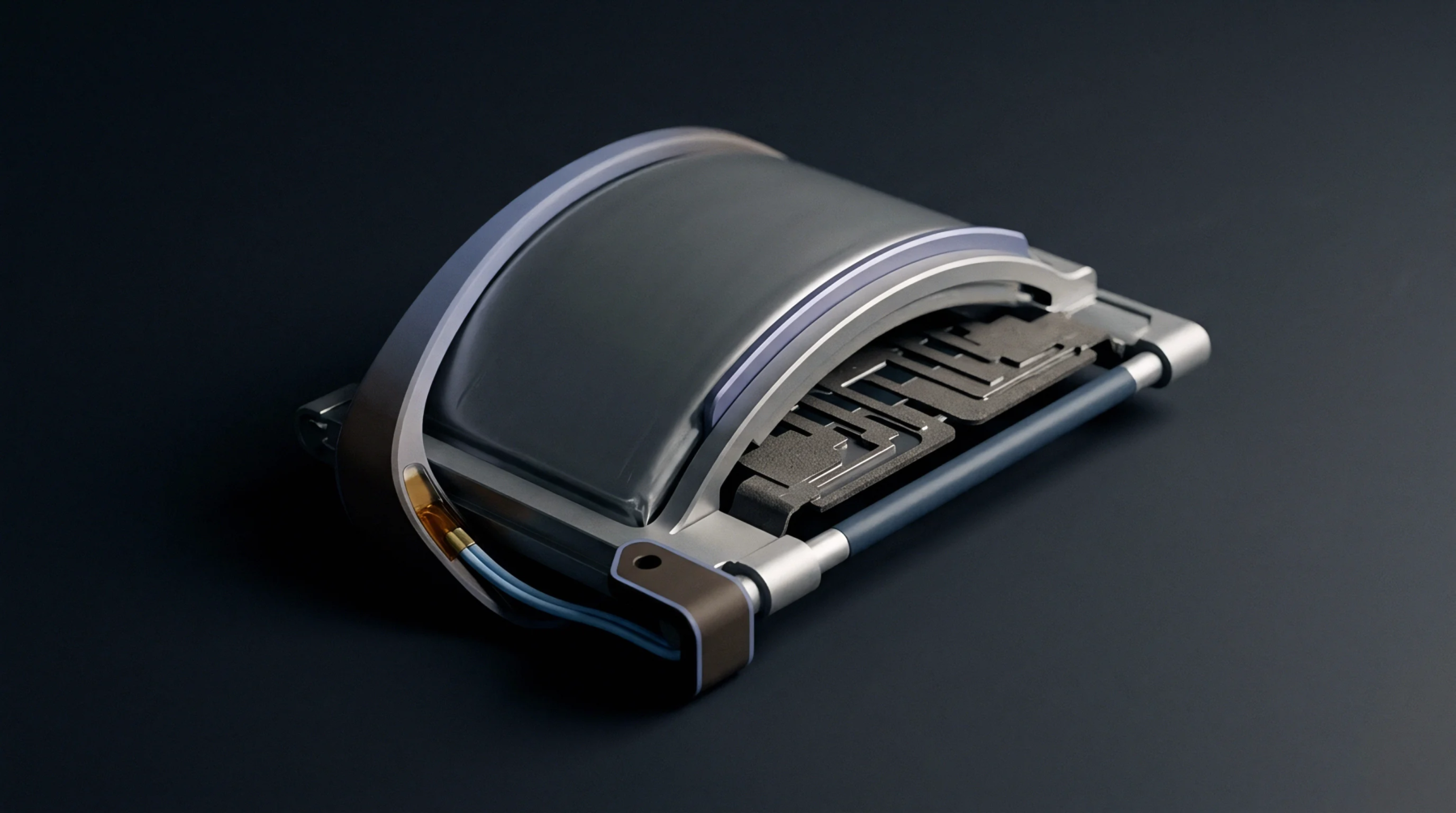
Sacrificial additive depletion in commercial pouch cells follows pseudo-first-order kinetics, triggering gas evolution and rapid impedance rise when exhausted.
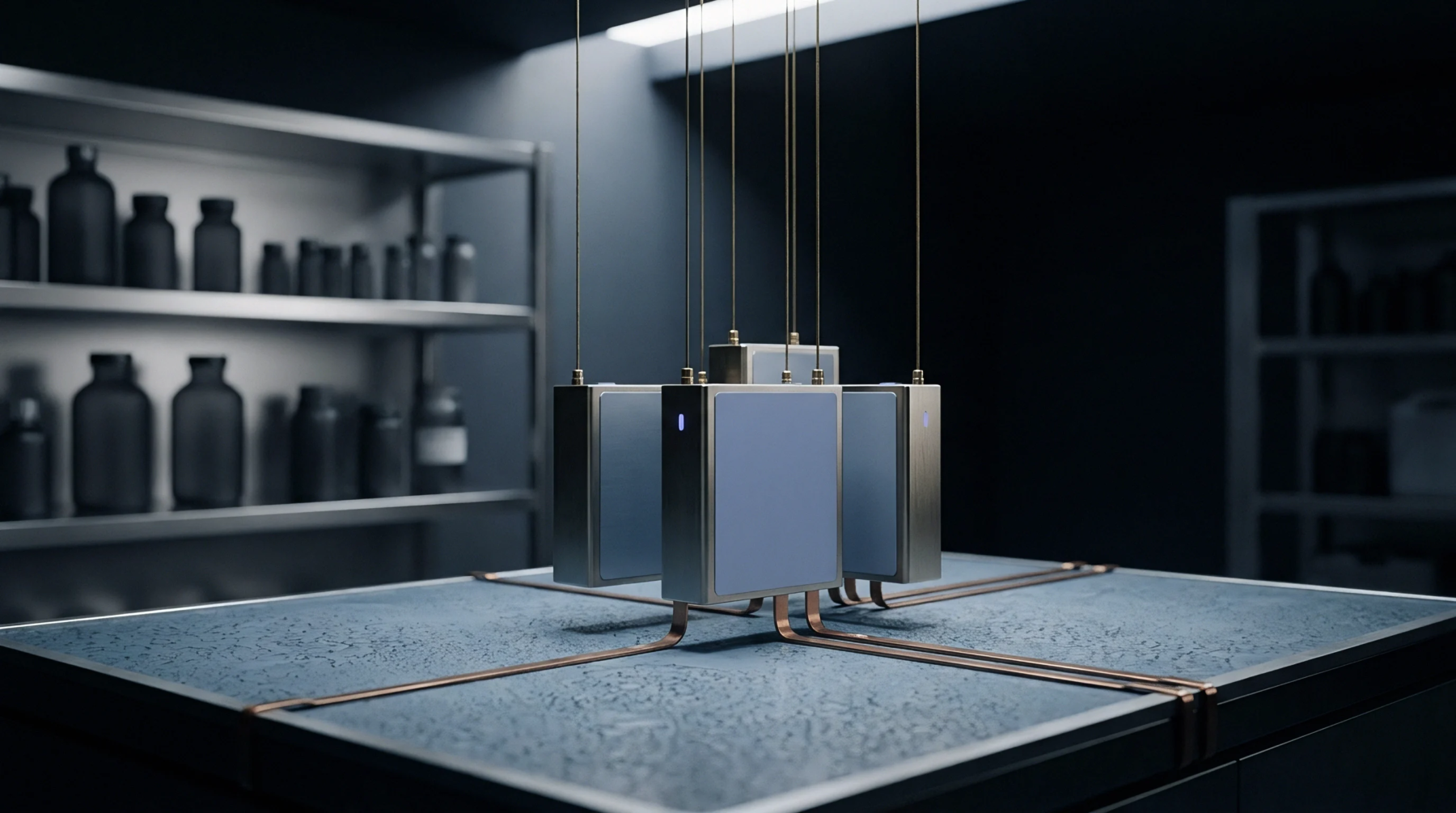
Importers carry strict liability for invalid UN 38.3 certificates when subcontracted labs lack accredited scope, driving mandatory direct accreditation audits.
Legal importers face strict liability and full financial recall exposure for cell shipments backed by unaccredited subcontracted UN 38.3 transport test schedules.

Verify UN 38.3 test summaries against accredited lab databases and audit physical batch metrics at receiving to prevent demurrage and cargo seizure.
Automated off-gas false positives trigger terminal hazmat quarantines, shifting demurrage and testing liabilities to cargo owners unless contractual riders preempt tariff liens.
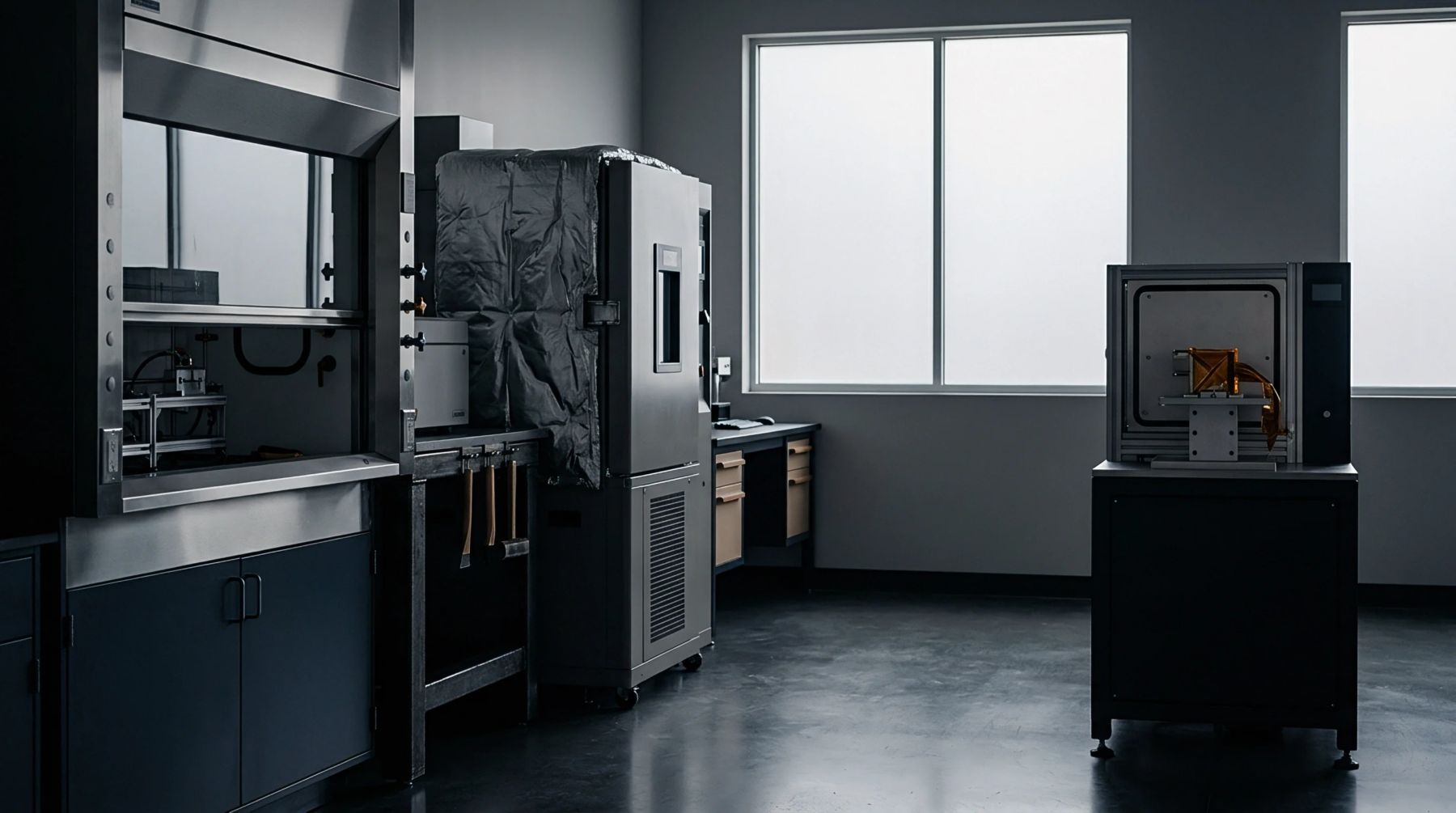
Cyclic altitude depressurization drives fugitive electrolyte micro-venting past crimp seals, forming flammable headspace mixtures in sealed transit drums.

Automated VOC detection limits for lithium battery cargo require setting DMC thresholds below 1 ppm while filtering ambient timber and adhesive backgrounds.

Contractual risk transfer shifts battery passport regulatory liability through un-capped provenance warranties, holdback escrows, and stepped liquidated damages.
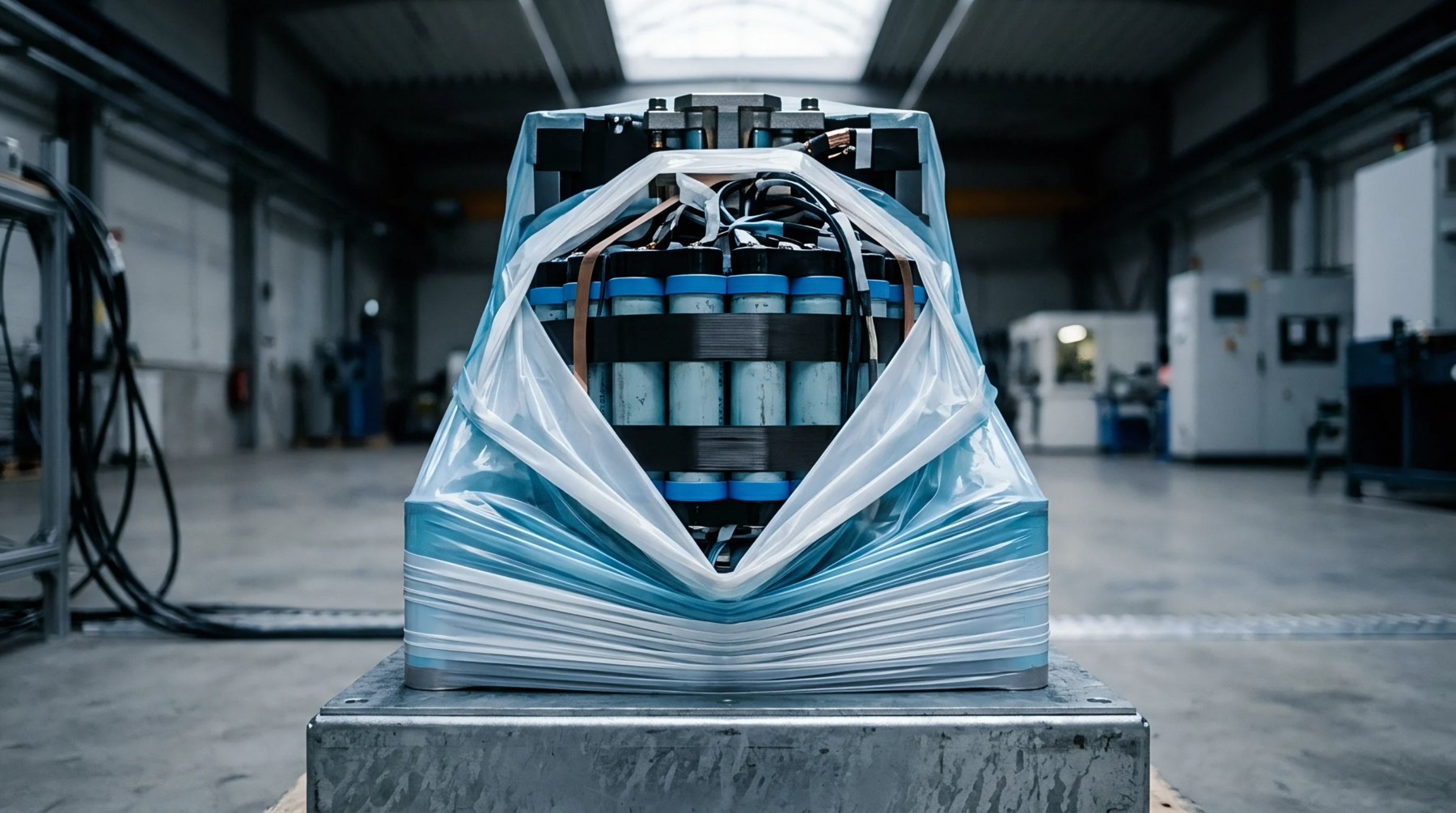
Importers bear absolute extended producer responsibility, requiring local registration, precise weight logging, and compliant reverse transport across borders.
Expertise is a utility, not a secret. sentiention™ publishes its working knowledge as open reference: intelligence layer covering the materials it sources, the markets it enters, and the reference that serves both.