
Operando Resonance Tracking of Low Temperature Battery Degradation
Operando acoustic resonance tracking detects sub-zero metallic lithium plating up to 150 cycles before electrical terminal voltage curves diverge.
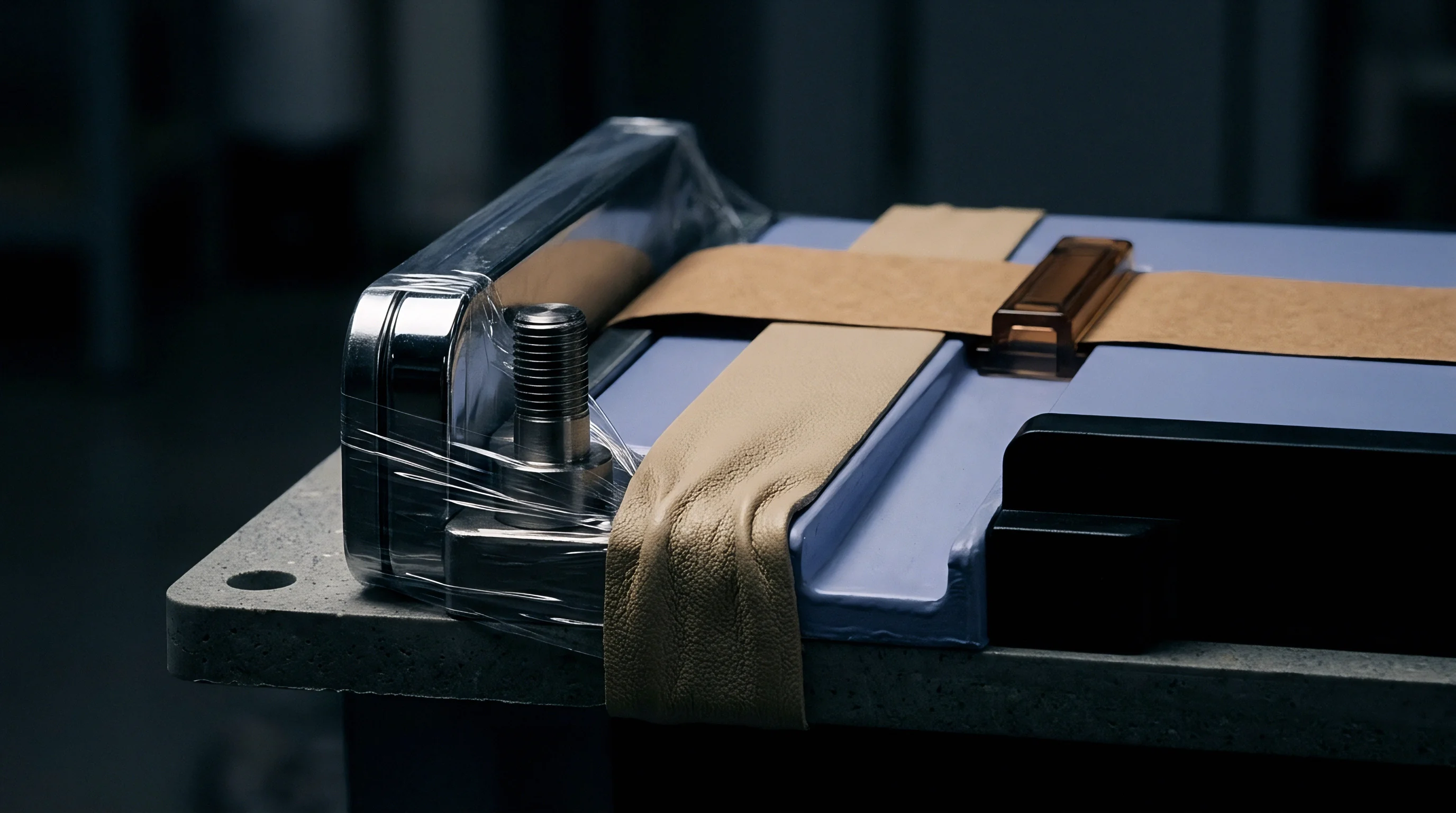
Li-ion, LiFePO4, NiMH, LiPo. Chemistry sets energy density, cycle life and the entire safety file, and the right one is an application answer rather than a catalogue pick. Power starts at the cell.

Operando acoustic resonance tracking detects sub-zero metallic lithium plating up to 150 cycles before electrical terminal voltage curves diverge.

Automated Kelvin probe degradation skews battery impedance metrology, requiring dynamic force control and automated contact loop monitoring to prevent false scrap.
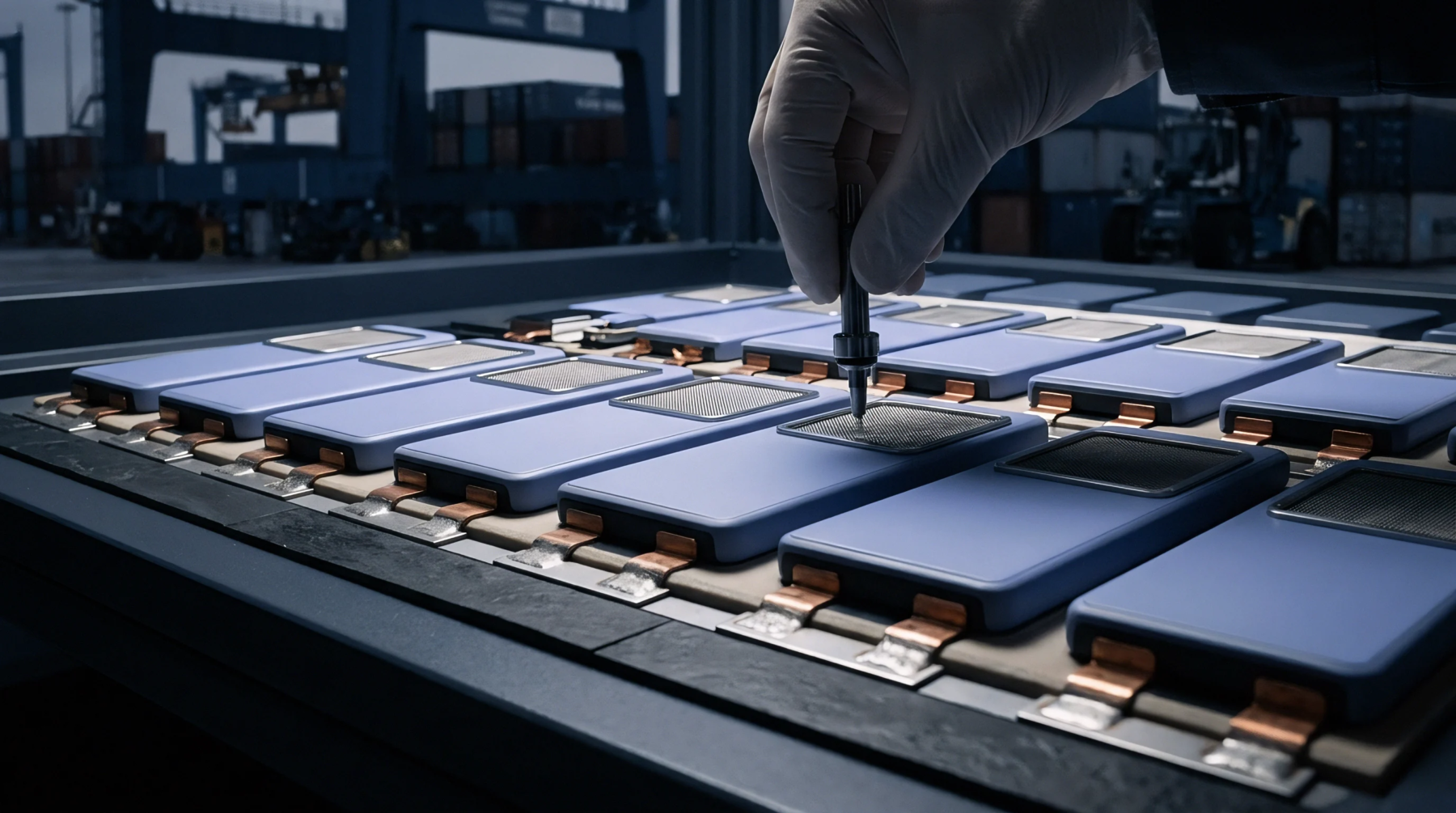
AC impedance screens tab welds at high speed while DC resistance predicts real operating voltage drop, thermal runaway risk, and pack degradation.
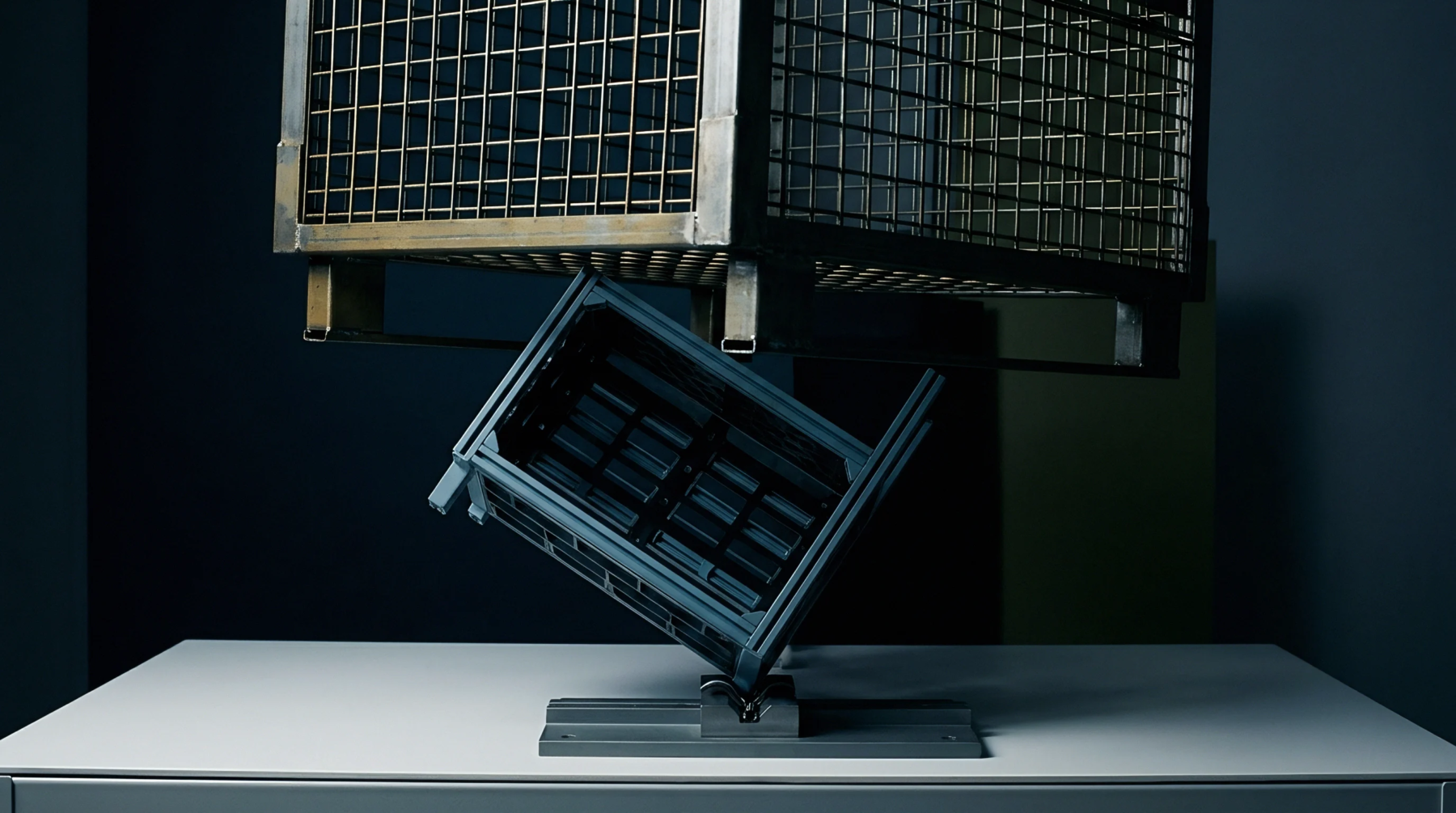
Four-wire Kelvin sensing isolates drive current from potential sensing, eliminating lead and contact resistance errors in sub-milliohm battery impedance tests.
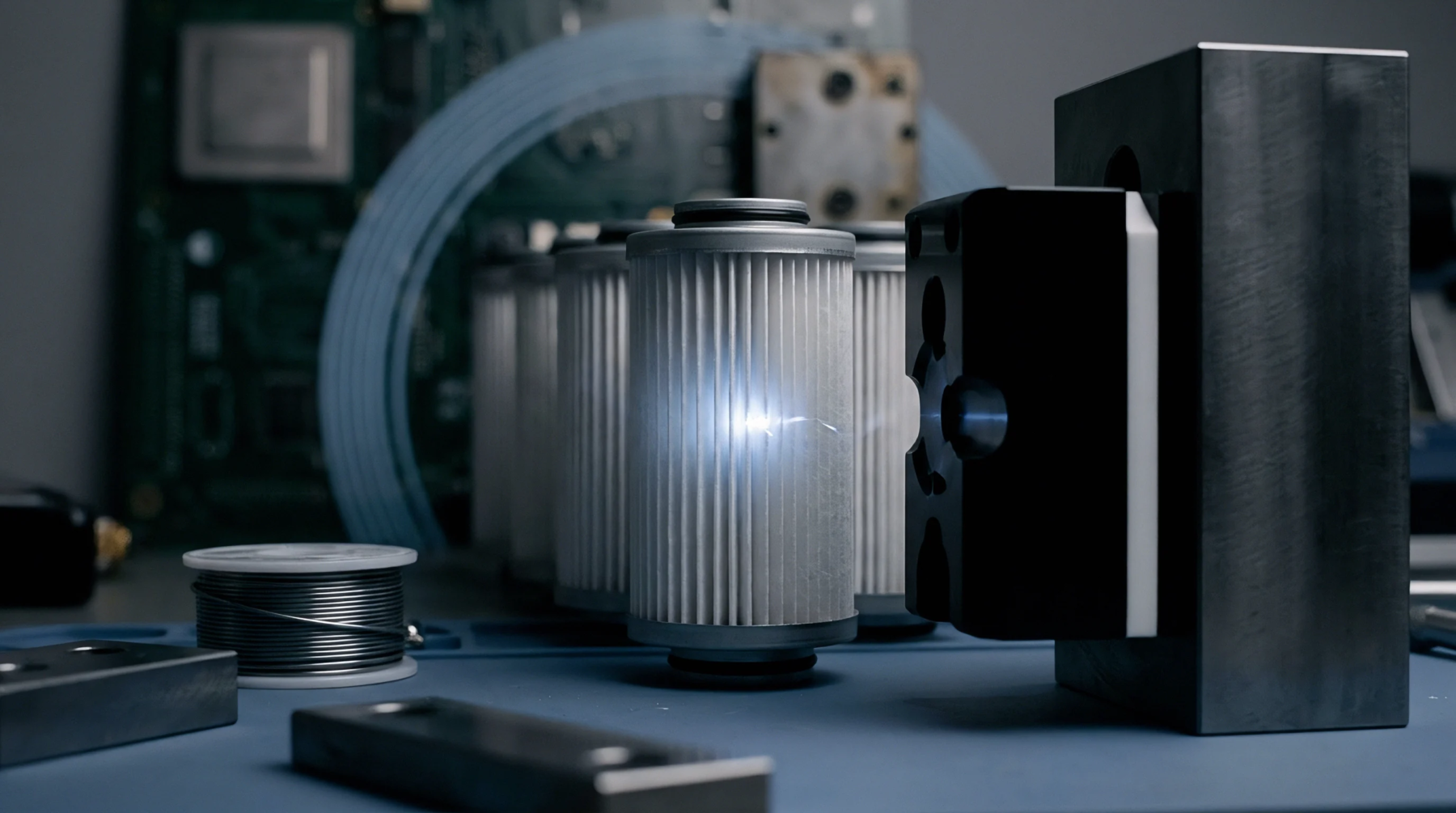
Operando impedance isolates micro-structural electrolyte depletion and transient lithium plating in real time under continuous super-C discharge.

Transmission line deconvolution separates pore liquid salt diffusion from interfacial kinetics, isolating high-rate transport bottlenecks before thermal runaway.
Cell, pack, custom, embedded. Format decides tooling, BMS scope and where assembly responsibility sits ~ a pack is a product with its own compliance file. Format is the boundary of the deal.


Automotive cell incoming resistance inspection relies on strict thermal equilibration, isolated 4-wire Kelvin probing, and clear AC-IR vs DC-IR correlation protocols.

Dynamic interfacial pressure retention in large-format solid-state pouch cells requires engineered compliance systems to prevent voiding and edge-seal fatigue.

Baseline compression calibration for sulfide solid-state cells demands platen deflection under 2 µm/100mm and temperature-compensated force sensing.

Solid-state cell qualification demands continuous stack pressure mapping within strict electro-chemo-mechanical limits to prevent voiding and dendrite failure.
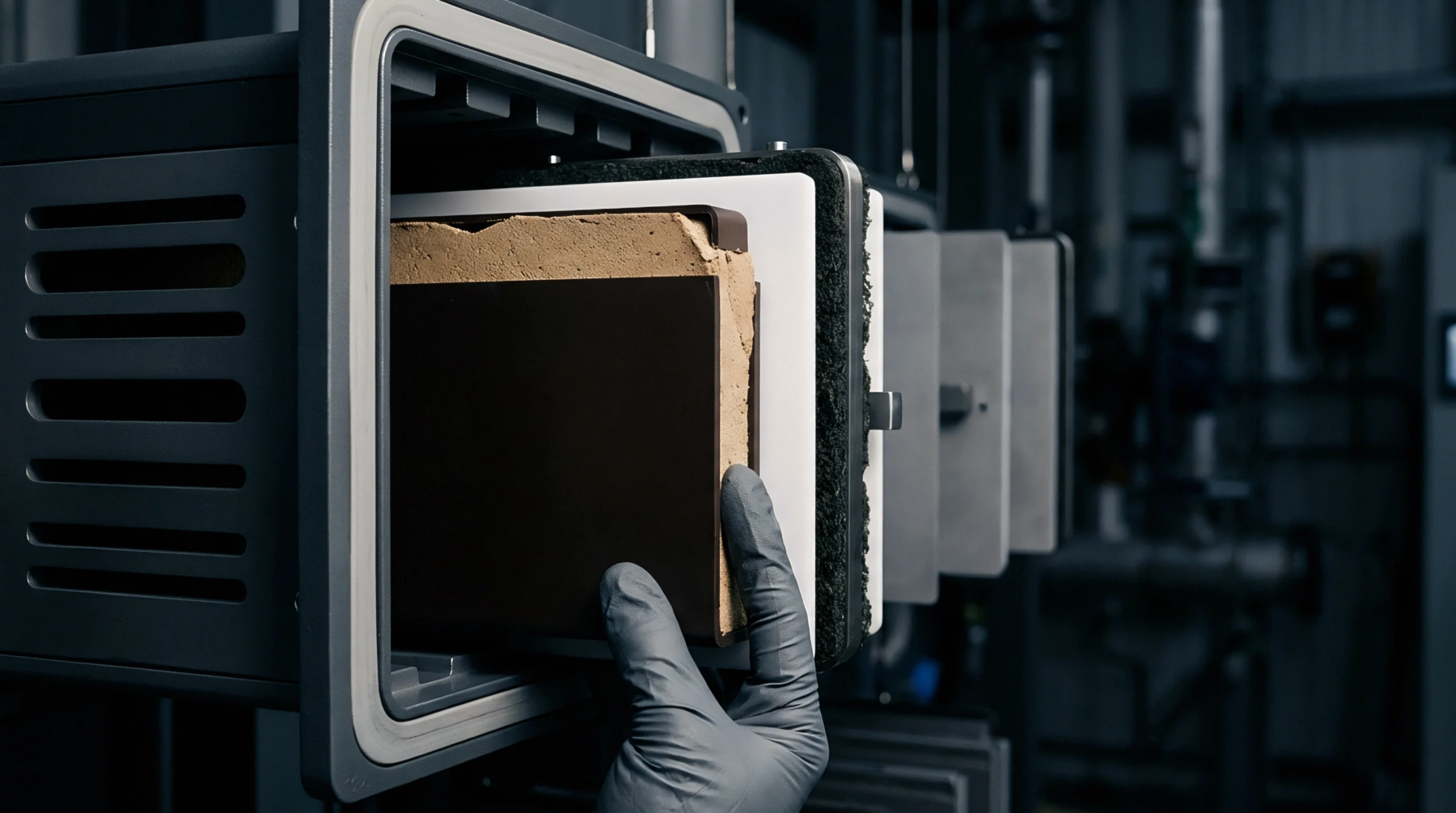
Dynamic strain rates elevate cast aluminum yield strength while accelerating fracture under asymmetric multi-axial shear-tension stress states.
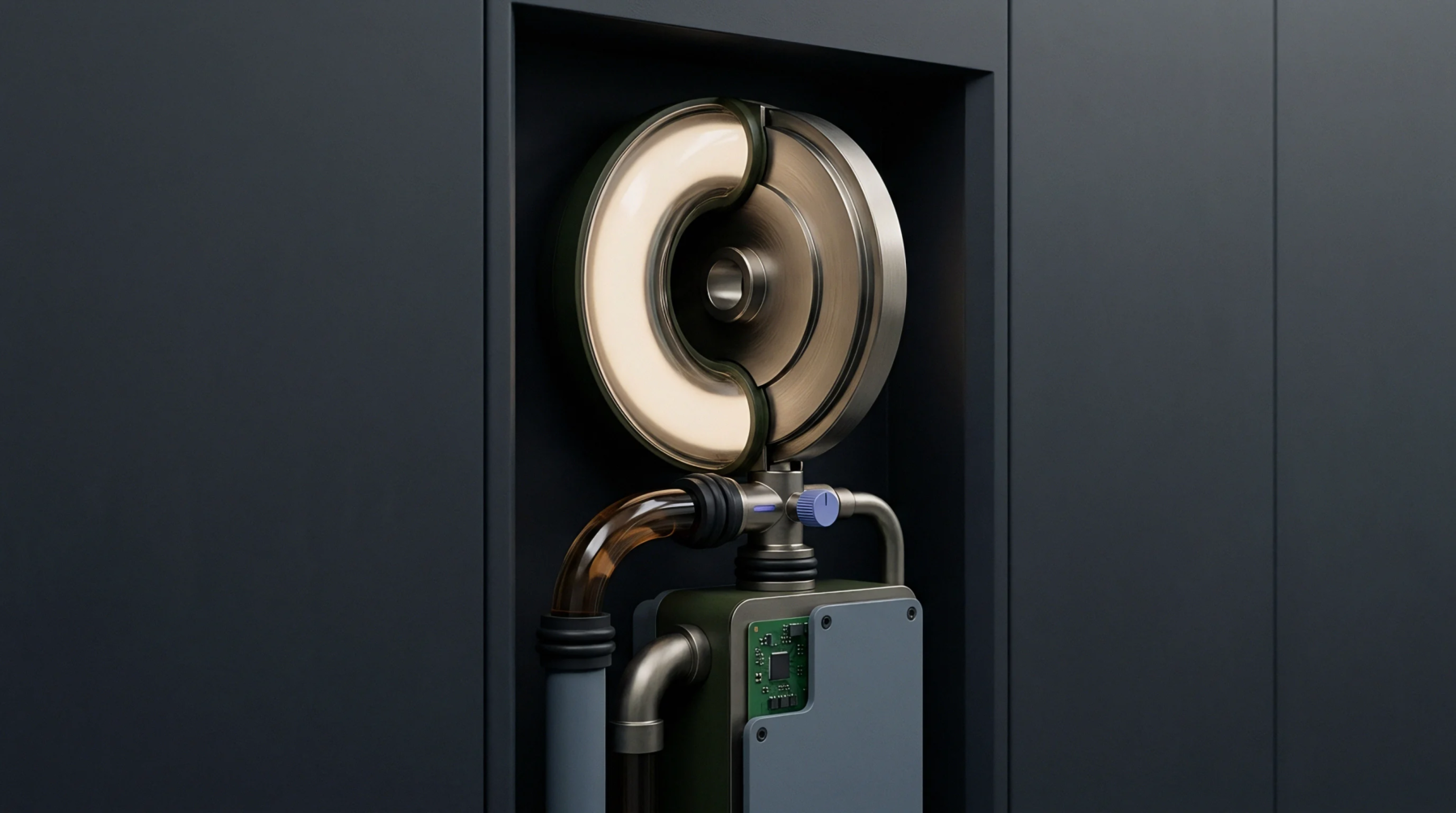
Secondary gas loops sweep metal condensate and ejecta out of laser paths, eliminating parasitic accretion and void formation in tool steels.
UN 38.3, IEC 62133, the EU battery regulation, dangerous-goods paperwork, MSDS. Battery sourcing is regulated motion: a cell that cannot ship is not a component. The safety file travels with every unit.
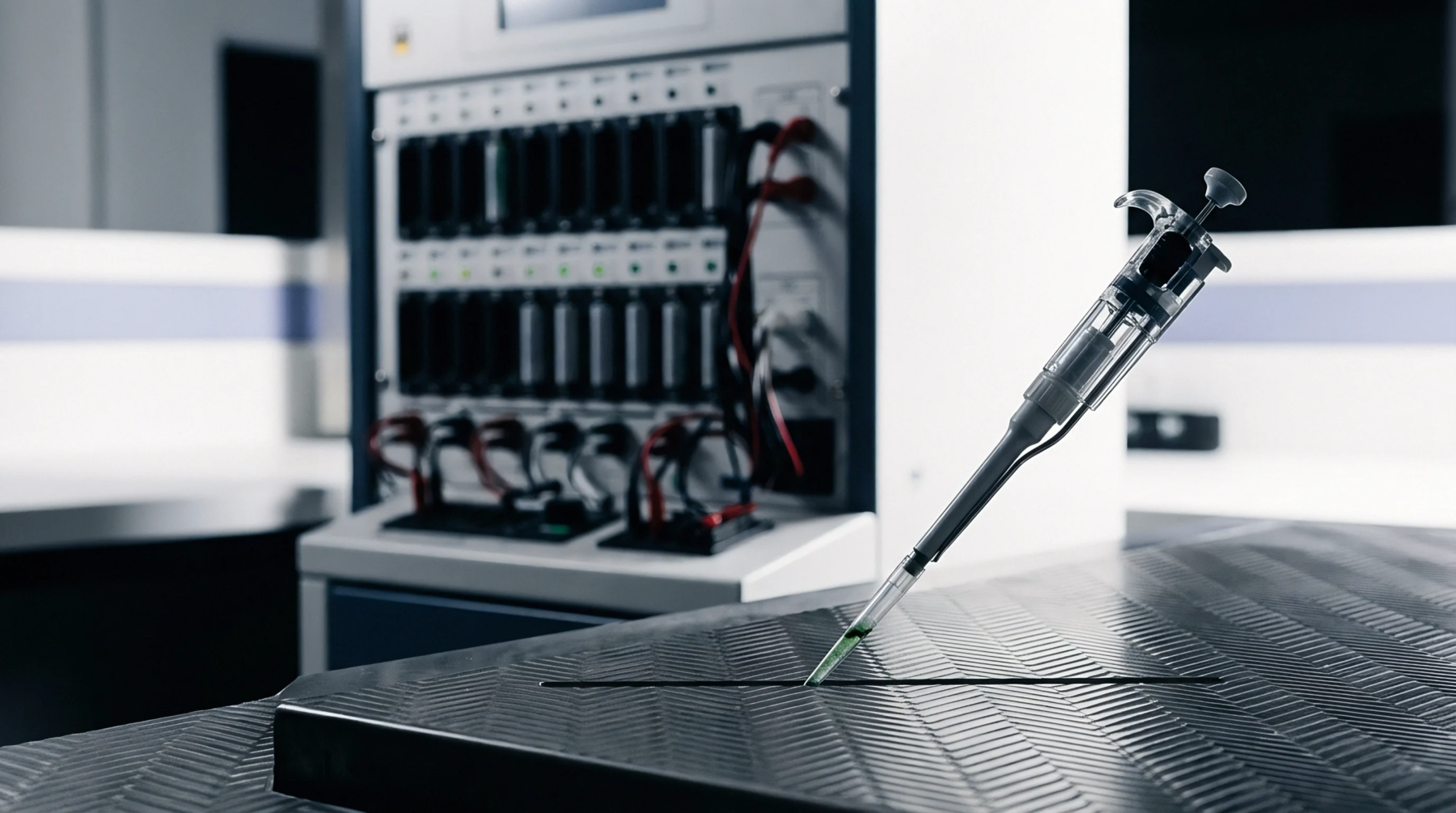
Reconciling offgas deflagration testing with reduced setbacks requires empirical UL 9540A overpressure data to size NFPA 68 vents and justify NFPA 855 clearances.
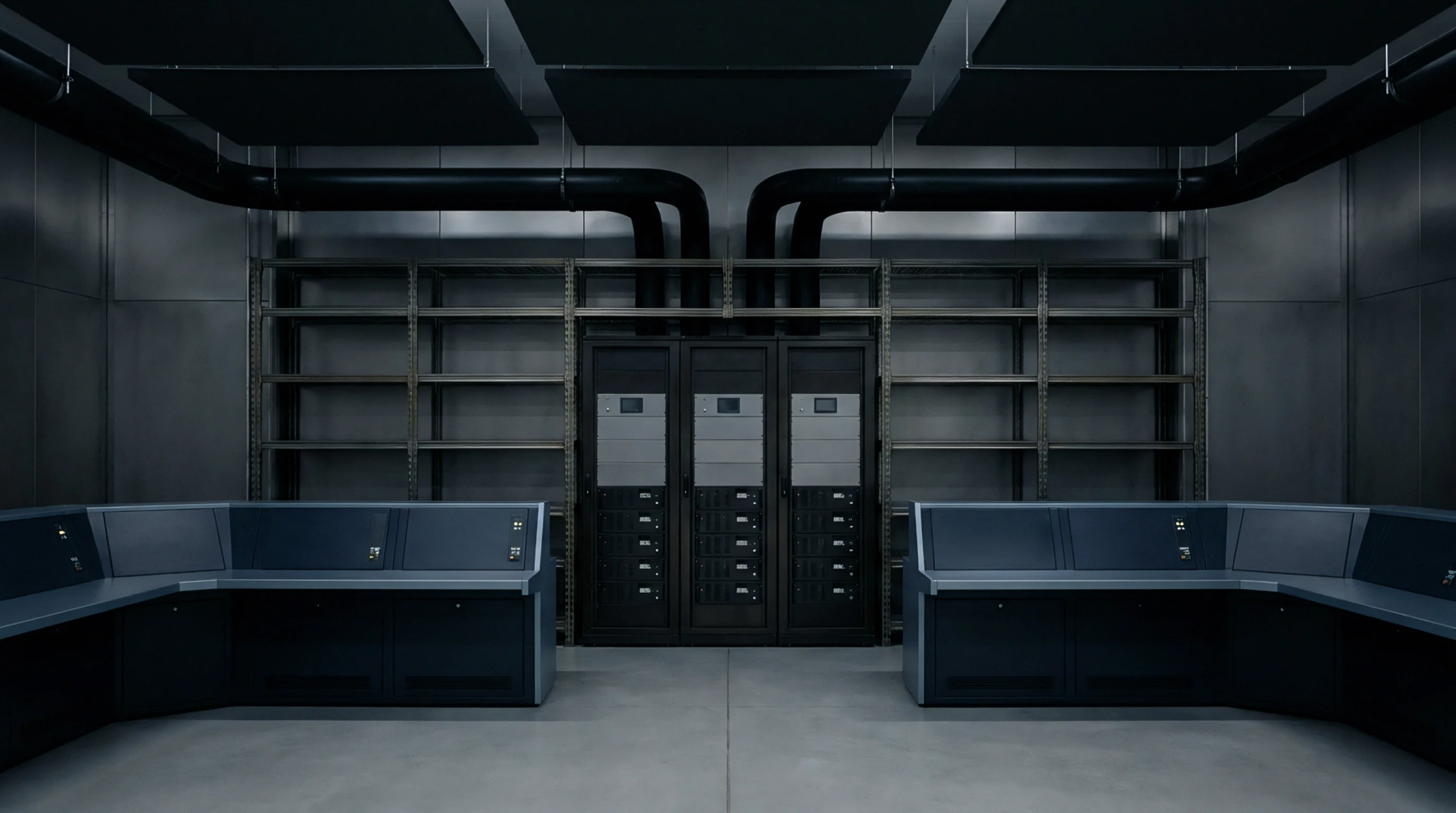
Reduced energy storage clearances require UL 9540A full-scale fire test proof showing adjacent cabinet radiant flux stays below 12.5 kW/m² to prevent fire spread.
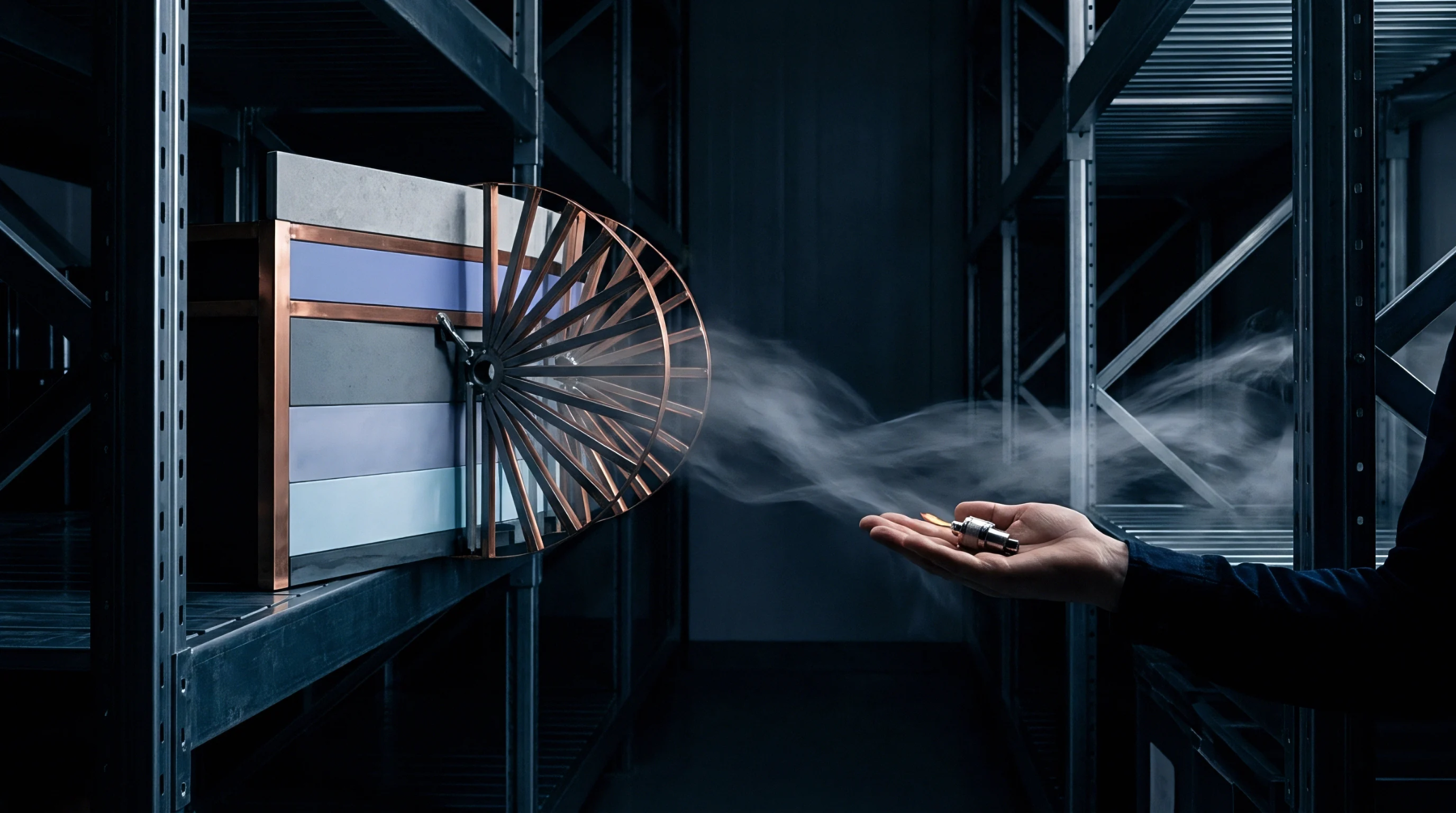
Unit-level UL 9540A metrics define gas generation, radiant heat flux, and deflagration limits needed to clear NFPA 855 unit separation mandates.
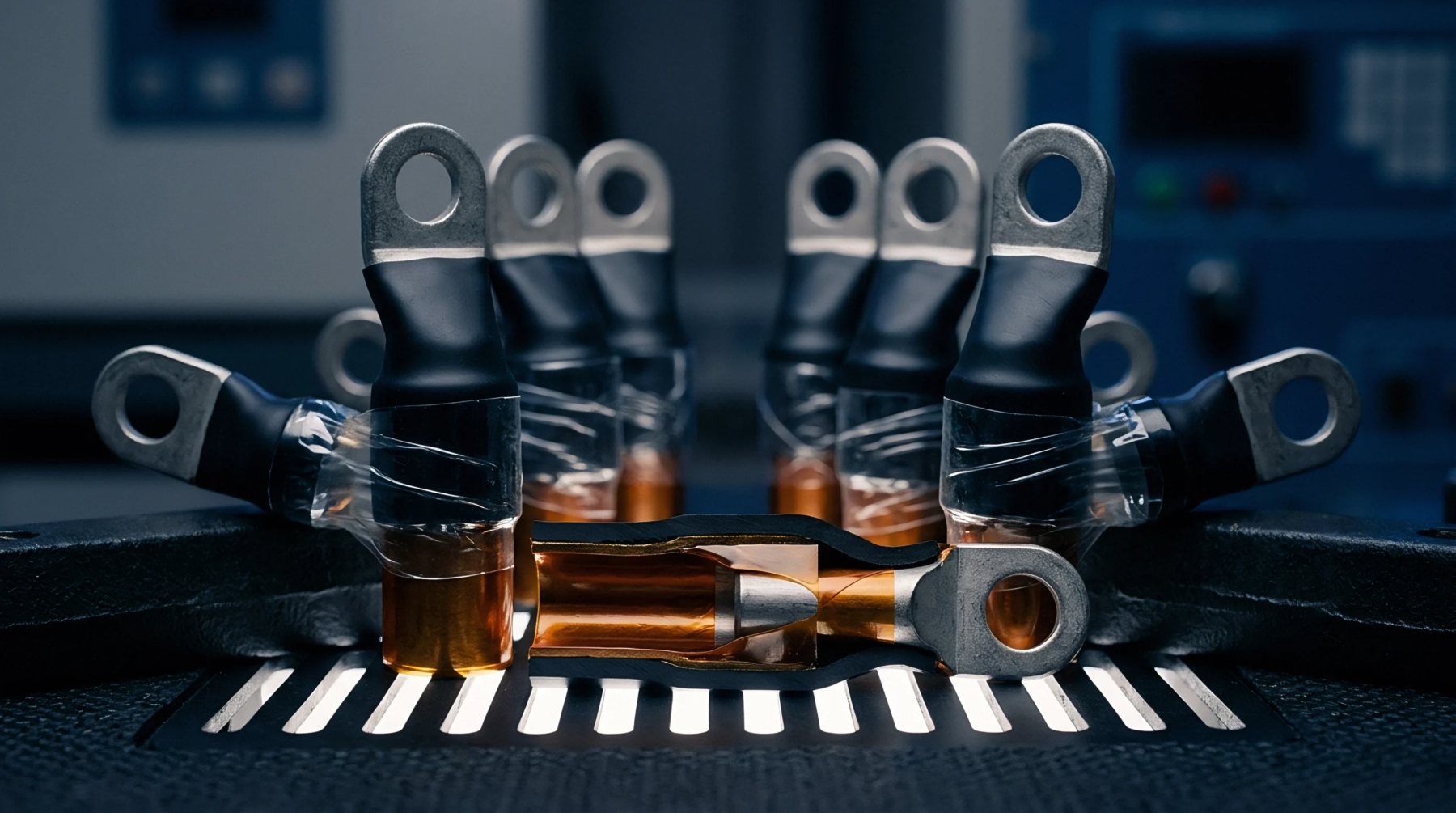
Dynamic voltage drift screening at elevated temperature separates benign chemical decay from dangerous internal micro-shorts in received lithium cell lots.
Enforce ANSI ASQ Z1.4 Level II sampling with AQL 0.010 for critical safety flaws and Kelvin OCV IR screening to reject defective lithium cells at receiving dock.

Inbound cell receiving mandates thermal quarantine, UN 38.3 documentation verification, four-wire impedance sampling, and strict AQL defect thresholding.
Expertise is a utility, not a secret. sentiention™ publishes its working knowledge as open reference: intelligence layer covering the materials it sources, the markets it enters, and the reference that serves both.