Meaning
Liability for failed battery systems is often contested when the cause of degradation is suspected to be improper use rather than manufacturing defects. False warranty claims occur when a customer or integrator seeks compensation for a battery failure that was actually caused by operation outside of the agreed specification. This includes exposure to extreme temperatures and over-discharging the cells.
Resolving these disputes requires forensic analysis of the battery management system data logs.
Abuse Verification
Digital history recorded by the on-board controller serves as the primary evidence in these cases. If the logs show that the battery was stored at a hundred percent state of charge in a high temperature environment, the supplier can identify false warranty claims. Modern systems use non-volatile memory to ensure that this data cannot be erased or modified by the user.
Settlement Barrier
Legal and technical teams must cooperate to distinguish between intrinsic cell failure and external stress. The cost of processing false warranty claims adds significant overhead to the customer service departments of battery manufacturers. Clear contract language regarding operating windows helps to reduce the frequency of these invalid requests for replacement.
Technical Evidence
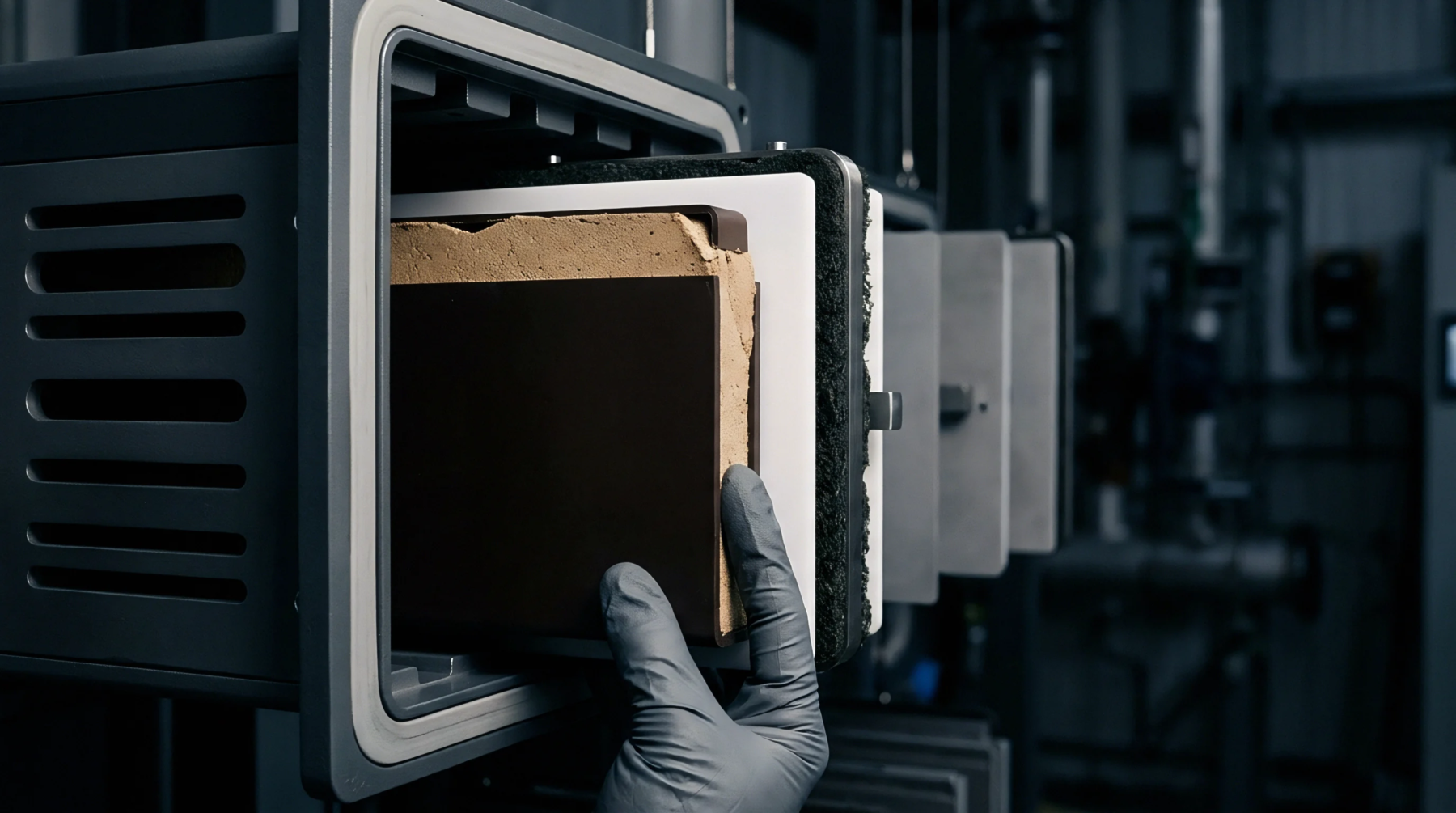
Post-mortem analysis of the physical cells can also reveal the true cause of failure. Internal signs of lithium plating or thermal runaway usually point to specific operational errors that contradict the claim of a manufacturing flaw. Physical inspection confirms the findings of the digital data logs.