Meaning
Combustion process dynamics where the velocity of a chemical reaction front increases due to feedback mechanisms can transition a deflagration into a detonation. This velocity increase, known as flame acceleration, is driven by the interaction between the flame front and the turbulence generated in the unburned gas ahead of it. Confined spaces and obstacles exacerbate this process by increasing the local turbulence intensity.
Physical Mechanism
Thermal expansion of the hot burned gases pushes the unburned gas mixture forward, which generates turbulence as it moves past structural elements. This turbulence increases the surface area of the flame, which accelerates the consumption of the fuel and air mixture. The resulting feed-forward loop can quickly drive flame speeds from tens of meters per second to supersonic speeds.
Obstacle Effect
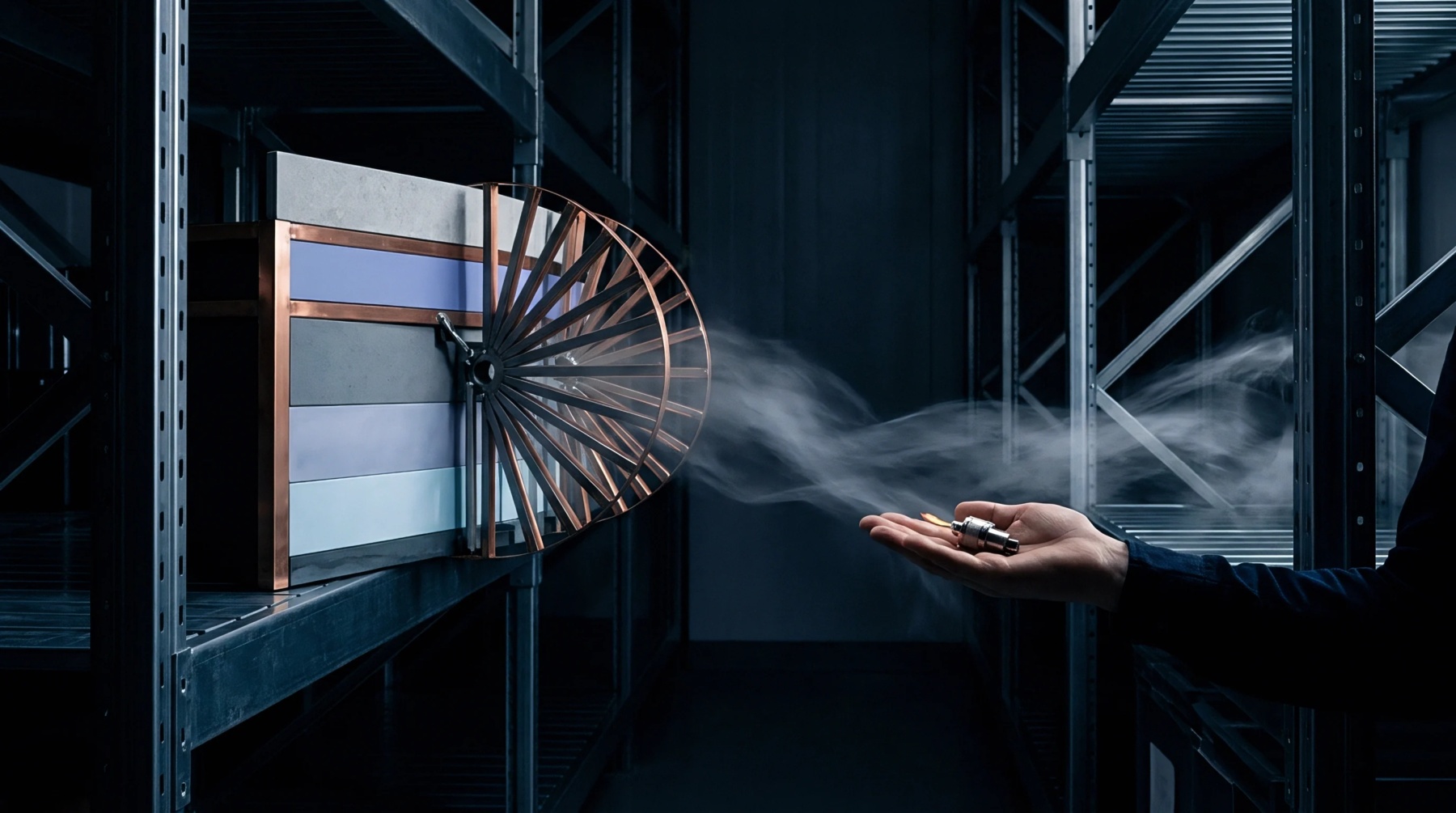
Geometrical obstacles like piping, structural steel, or equipment modules act as turbulators that dramatically accelerate the flame. When the mixture ignites, the expanding gas must flow around these structures, which creates high velocity jets and shear layers. If the spacing and size of these obstacles match certain pressure dimensions, the flame can accelerate rapidly enough to generate high pressure shock waves.
Mitigation Practice
Design engineers control these explosion risks by installing venting panels and reducing obstacle density in high risk zones. These vent panels release pressure before the flame speed reaches higher levels.