Meaning
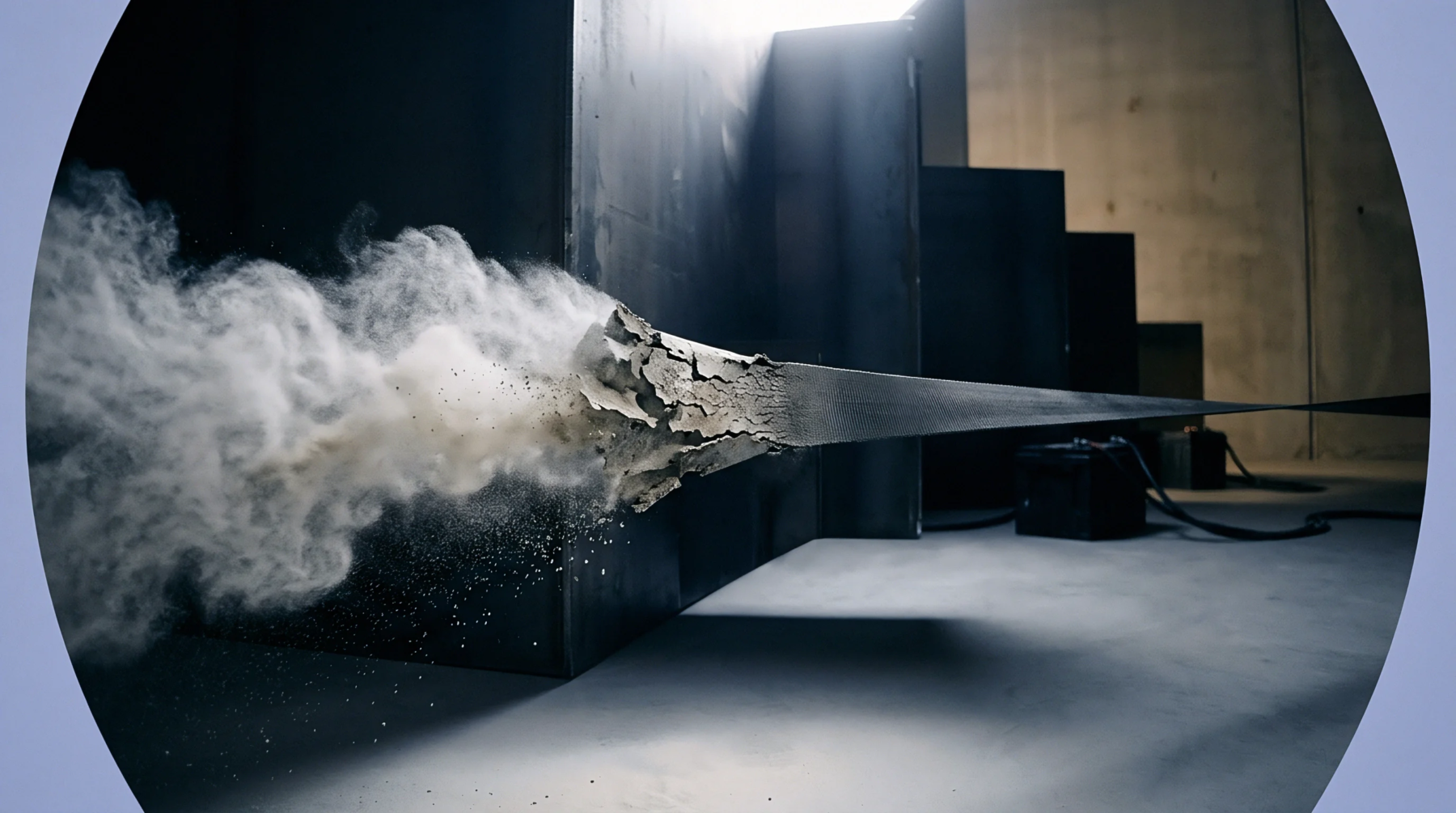
Physical wear mechanism resulting from the movement of aluminum oxide particles against the internal surfaces of dispensing equipment. Alumina filler abrasion occurs as these hard ceramic additives scour the walls of pipes and the seals of metering cylinders. It represents a primary cause of maintenance in thermal interface material application.
Equipment Degradation
High hardness values in the filler material lead to the progressive removal of metal from contact points. Hardened components such as valve seats and mixing tips suffer from alumina filler abrasion which creates leaks or bypass flows. Surface treatments like diamond-like carbon coatings provide a barrier against the abrasive forces.
Process Stability
Maintaining a consistent flow rate becomes difficult as the internal diameter of the dispensing path increases. Because alumina filler abrasion slowly alters the mechanical constraints of the system, the pressure required to move the fluid at a fixed speed drops. Recalibration becomes necessary.
Left uncorrected, the volume of material deposited on the battery module will vary beyond specified tolerances.
Industrial Influence
Purchasing decisions for thermal gap fillers weigh the cooling performance against the long term damage to the assembly line. Low alumina filler abrasion allows for higher production speeds and fewer unplanned stoppages. Spherical particles minimize friction and extend the life of the elastomer seals.