Meaning
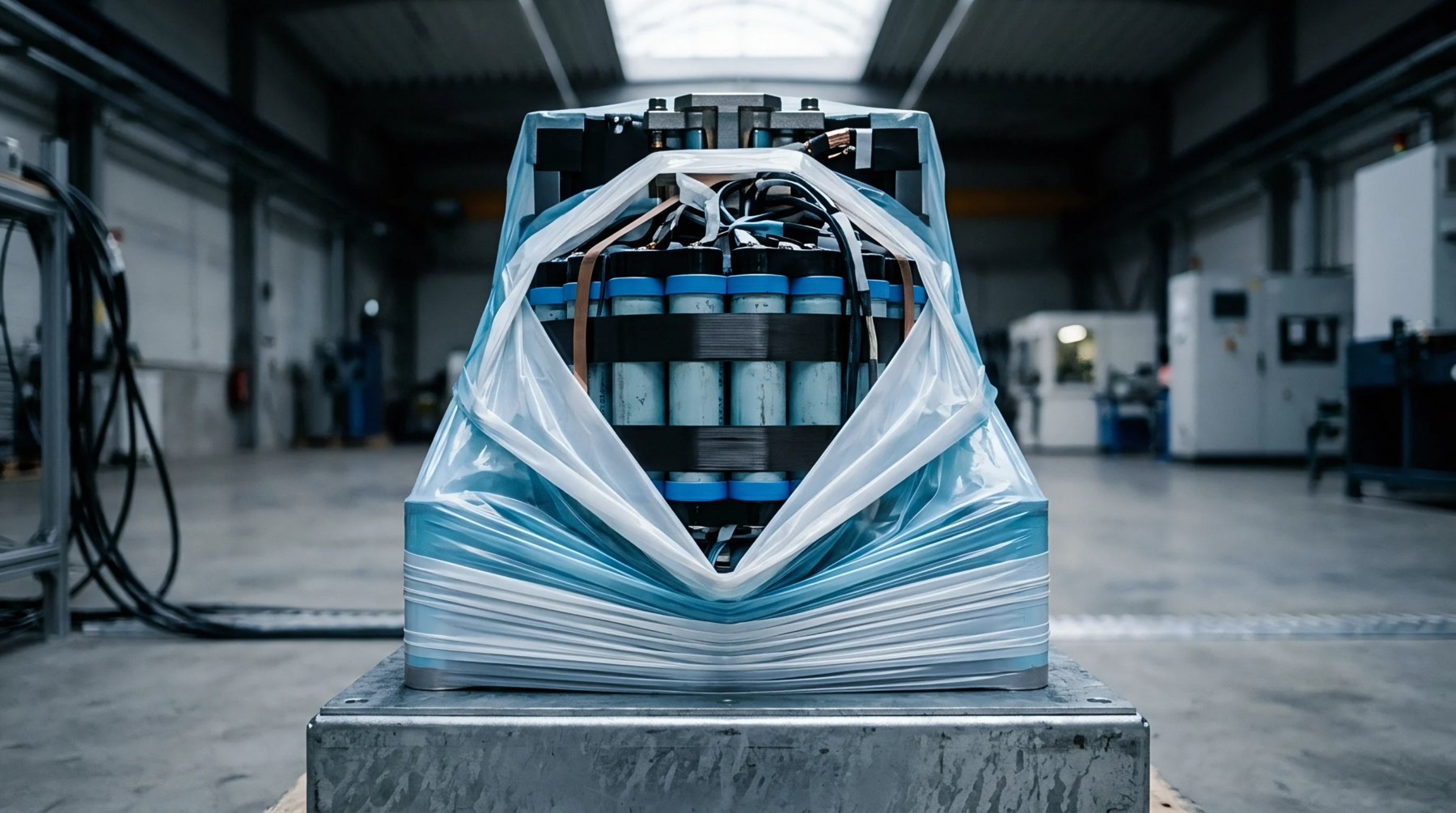
International transboundary movement regulations classify hazardous electronic scrap and waste batteries to control cross-border shipping under multilateral environmental agreements. Within the global treaty system, basel convention code A1170 designates spent lead-acid and lithium-ion batteries alongside contaminated waste assemblies requiring prior informed consent. The designation controls international trade in untreated scrap to prevent unmonitored export from developed to developing countries.
Classification Scope
Hazardous waste categories listed under code A1170 include waste electrical assemblies containing components such as accumulators and mercury switches. Spent lithium-ion cell scrap, mixed battery chemistries and unrefined black mass fall under this classification when containing hazardous concentrations of heavy metals or flammable organic solvents. National environmental authorities enforce entry criteria by evaluating cell chemistry and short-circuit hazard potential.
Exporters must declare shipments under specific harmonized tariff codes linked to treaty controls. Mixed shipments containing both hazardous batteries and non-hazardous casing materials remain subject to code A1170 provisions unless mechanical sorting separates components prior to export. Customs authorities inspect physical consignments to verify that documented declarations match actual scrap composition.
Shipment Protocol
Border authorities require prior informed consent documents and financial guarantees before permitting transport. Transit countries hold full veto power over waste shipments passing through sovereign waters or land corridors.
Regulatory Boundary
Fully intact, tested and re-certified second-life batteries escape control under code A1170 when destined for direct reuse. Proof of operational capacity exempts functional units from hazardous waste transit controls.