Meaning
Customs-controlled facilities permit the secure staging of imported hazardous goods with duty payment deferred until items enter domestic commerce. Commercial cell procurement strategies use bonded warehouse storage to manage inventory flow, stage battery cell packs safely, and postpone excise duties or trade tariffs until delivery schedules require release. The facility provides segregation barriers, temperature maintenance equipment and mandatory dangerous goods suppression systems.
Legal jurisdiction ends when stored cells pass formal entry clearance or exit under bond for foreign re-exportation.
Duty Deferral
Postponing tariff obligations preserves working capital while large battery volumes await assembly call-offs. Importers avoid upfront cash depletion on broad container shipments by releasing cells in smaller factory production batches. Tariffs and internal revenue charges apply only when cells leave the facility under an entry for consumption.
Re-exporting completed sub-assemblies directly from the facility cancels domestic duty liabilities entirely. Fiscal optimization through deferral softens exposure to shifting import surcharge rates and supply chain bottlenecks.
Environmental Control
Energy storage components demand stable storage conditions to retard premature chemical degradation and internal capacity fade. Controlled facilities regulate ambient temperatures between fifteen and twenty-five degrees Celsius while keeping relative humidity below sixty percent. Lithium iron phosphate and nickel manganese cobalt cells lose calendar life rapidly when exposed to unchecked thermal swings or damp conditions.
Specialized monitoring networks log ambient parameters continuously to prove warranty compliance to pack integrators. Certified storage prevents moisture condensation that would otherwise corrode exterior terminals and degrade separator coatings.
Safety Infrastructure
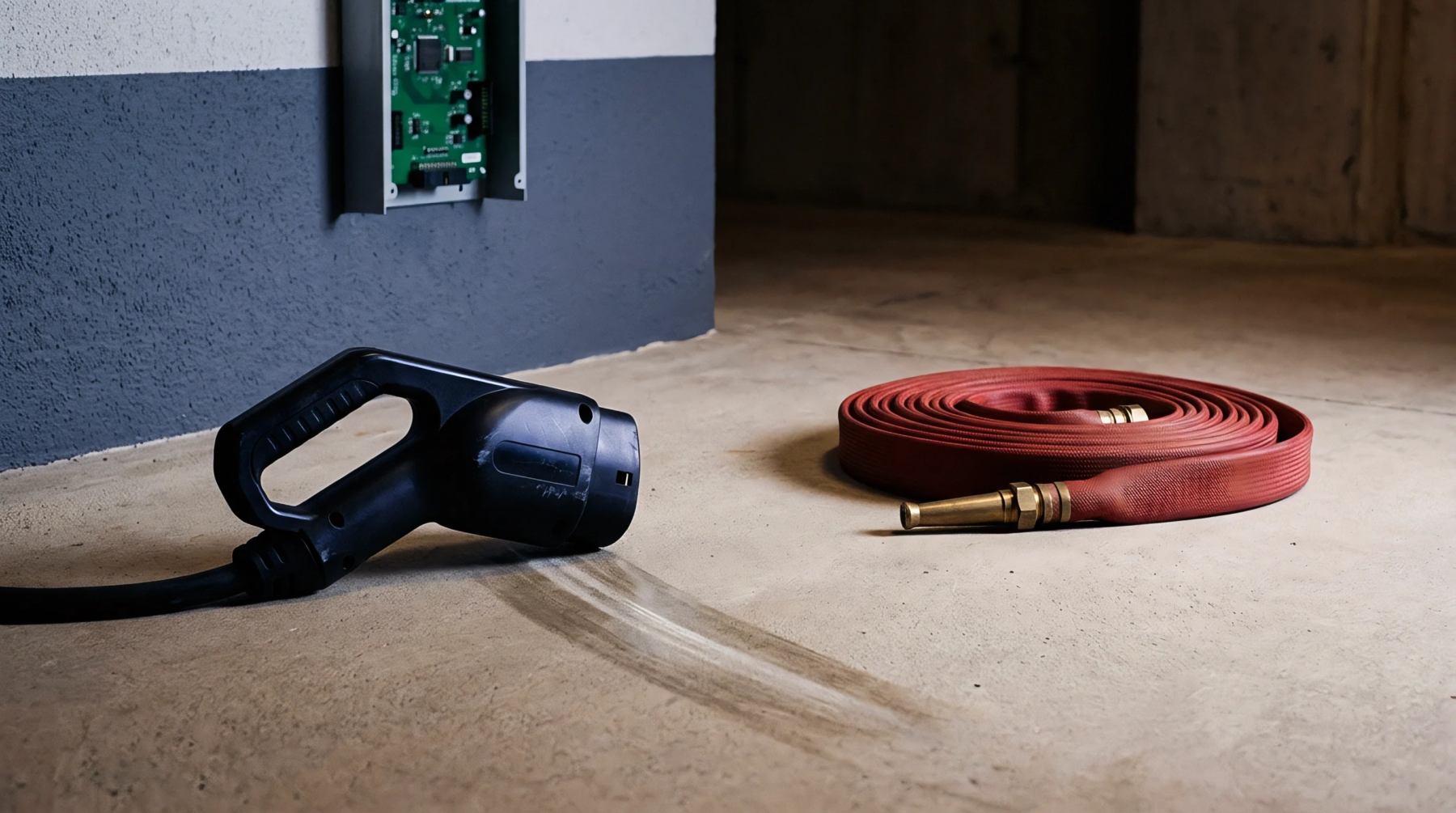
Stringent safety mandates dictate the spatial layout and fire protection apparatus installed within dangerous goods areas. Storage halls dedicated to lithium cells feature automated sprinkler systems delivering high water discharge densities alongside physical blast deflection barriers. Racks incorporate dedicated containment pans to prevent electrolyte migration in the event of pack breach.
Local building codes mandate clear separation distances between palletized energy storage units and combustible materials. Facility compliance certificates depend upon regular municipal fire marshal inspections and functional gas detection testing.