
Verifying UN 38 3 Test Reports for Battery Importation
Verifying UN 38.3 battery test summaries against accredited laboratory scope databases prevents custom holds, freight rejections, and legal import liabilities.
Verifying UN 38.3 battery test summaries against accredited laboratory scope databases prevents custom holds, freight rejections, and legal import liabilities.
Verify UN 38.3 test summaries by cross-checking lab accreditation, model names, and mandatory fields to prevent air cargo rejections and import impoundment.

A compliant UN 38.3 test summary requires ten mandatory elements to clear lithium cell shipments through international dangerous goods customs inspections.

Exceeding a 20 percent shift in mass or Watt-hours, or 0.1 V in nominal voltage, voids UN 38.3 certification and legally mandates complete pack retesting.

UN 38.3 qualification requires passing T.1-T.8 abuse tests and securing a standardized test summary certified at 30% state of charge for air carriage.
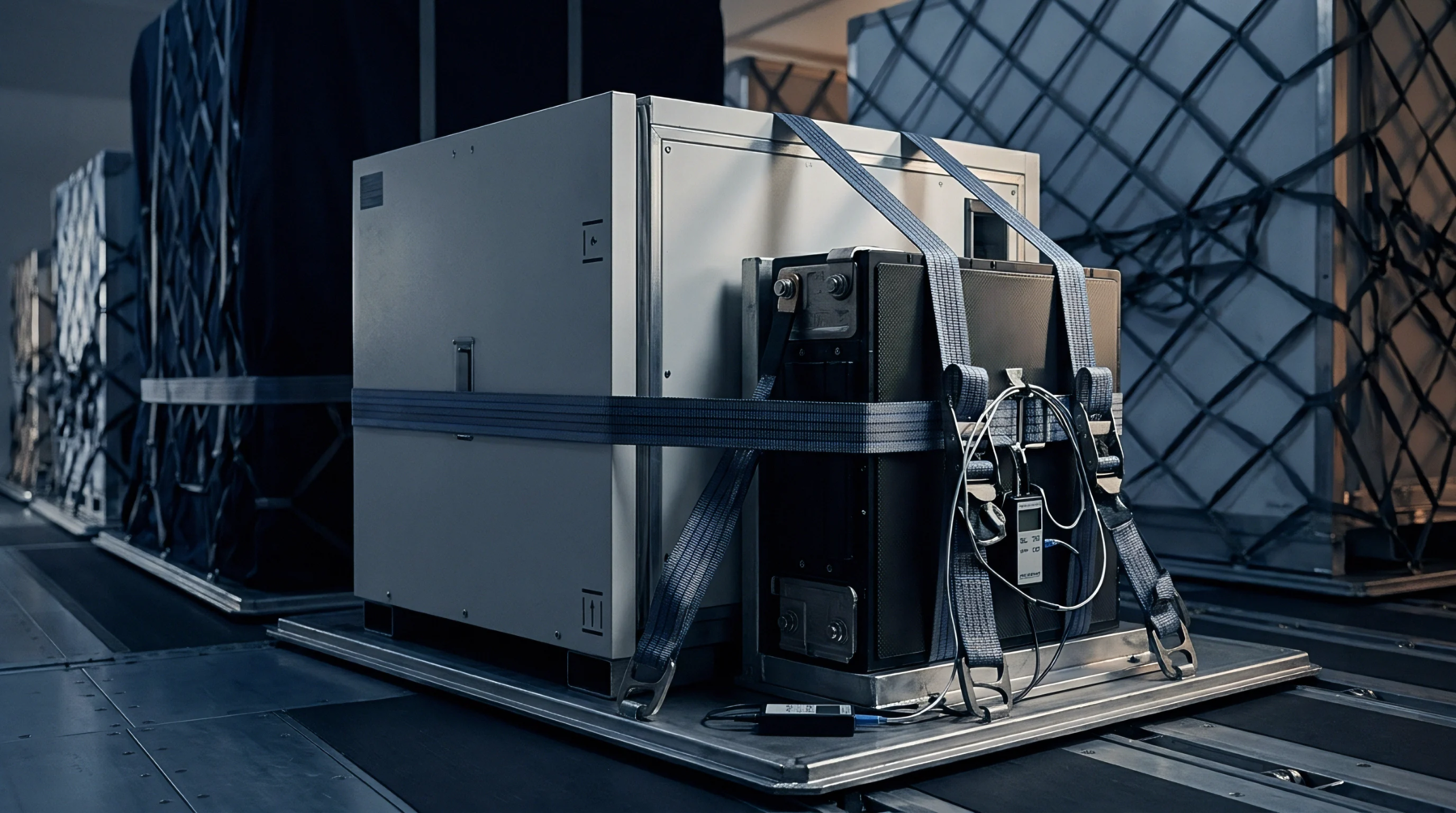
Verify UN 38.3 test summaries against physical cell markings and ISO 17025 lab databases before dispatch to prevent customs seizure and terminal demurrage.

Automated validation pipelines parse and verify UN 38.3 test summaries against regulated schemas to prevent dangerous goods shipping blocks and liability fines.

Verify UN 38.3 test summaries by validating ISO 17025 scope, cross-checking 10 required fields, and confirming physical cell mass and Wh limits before air tender.

Validate UN 38.3 test summaries by matching all ten 38.3.5 fields, laboratory accreditation, and exact pack mass against shipping manifests before clearance.

Ohmic gradients across large current collectors distort differential capacity peaks, requiring rate-adjusted spectroscopy to prevent false SOH degradation claims.
Validate ISO/IEC 17025 schedules directly on ILAC registries to confirm specific battery test standards and ranges before signing cell procurement contracts.

Integrating UN 38.3.5 test summaries into dangerous goods declarations requires exact data alignment, digital URL linkage, and verified lab accreditation.
Validate testing laboratory ISO 17025 scope annexes to ensure equipment ranges, current shunts, and thermal chambers cover actual cell safety test parameters.
Verify the laboratory ISO 17025 scope annex directly with the accreditation body to ensure testing standards, ranges, and specific clauses match shipped cells.
Air cargo intake verification requires cross-checking the ten mandatory UN 38.3.5 data parameters directly against physical cell labels and manifest records.

Electrolyte volatility drives latent cell mass loss, requiring buoyancy-corrected analytical balances to verify hermetic integrity before transit acceptance.

Non compliant battery test summaries trigger container quarantine, daily Class 9 demurrage, regulatory civil penalties, and insurance voidance at ports.
Cross-referencing UN 38.3 test summaries with air waybills aligns model names, watt-hour ratings, and package weights to prevent carrier rejections and fines.

Importers carry strict liability for invalid UN 38.3 certificates when subcontracted labs lack accredited scope, driving mandatory direct accreditation audits.

Verify UN 38.3 test summaries, enforce the 30% state of charge ceiling, and audit packaging specs to ensure compliant battery air freight.
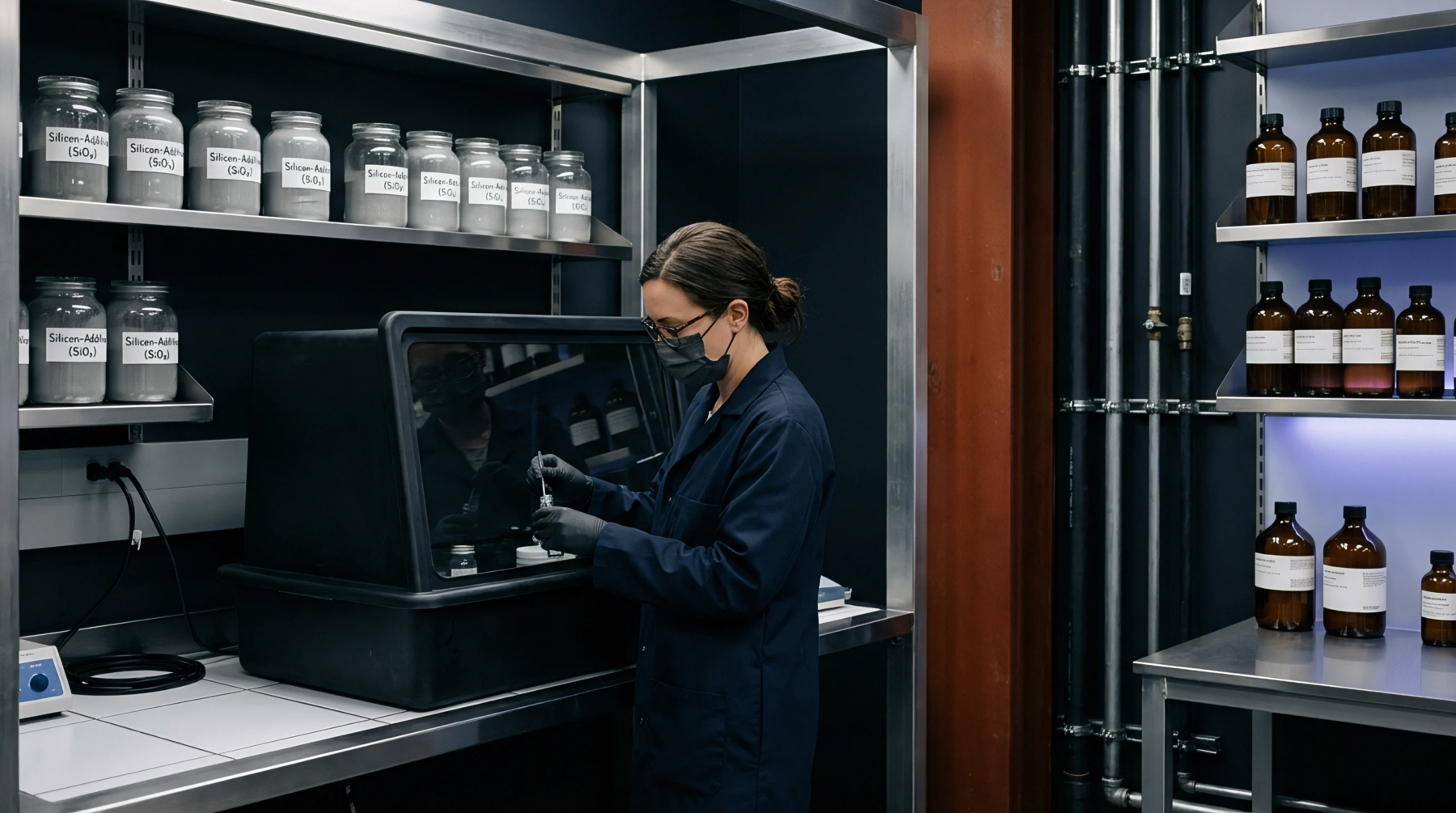
Port entry verification of UN 38.3 test summaries requires cross-referencing laboratory ISO 17025 scope schedules against cell mass and test parameters.
Validating UN 38.3 lithium cell test summaries requires verifying all ten statutory fields, checking ISO/IEC 17025 lab scope, and matching physical cell mass.

Lithium cell importation demands strict UN number classification, verified UN 38.3 test summaries, thirty percent state of charge, and compliant packaging.
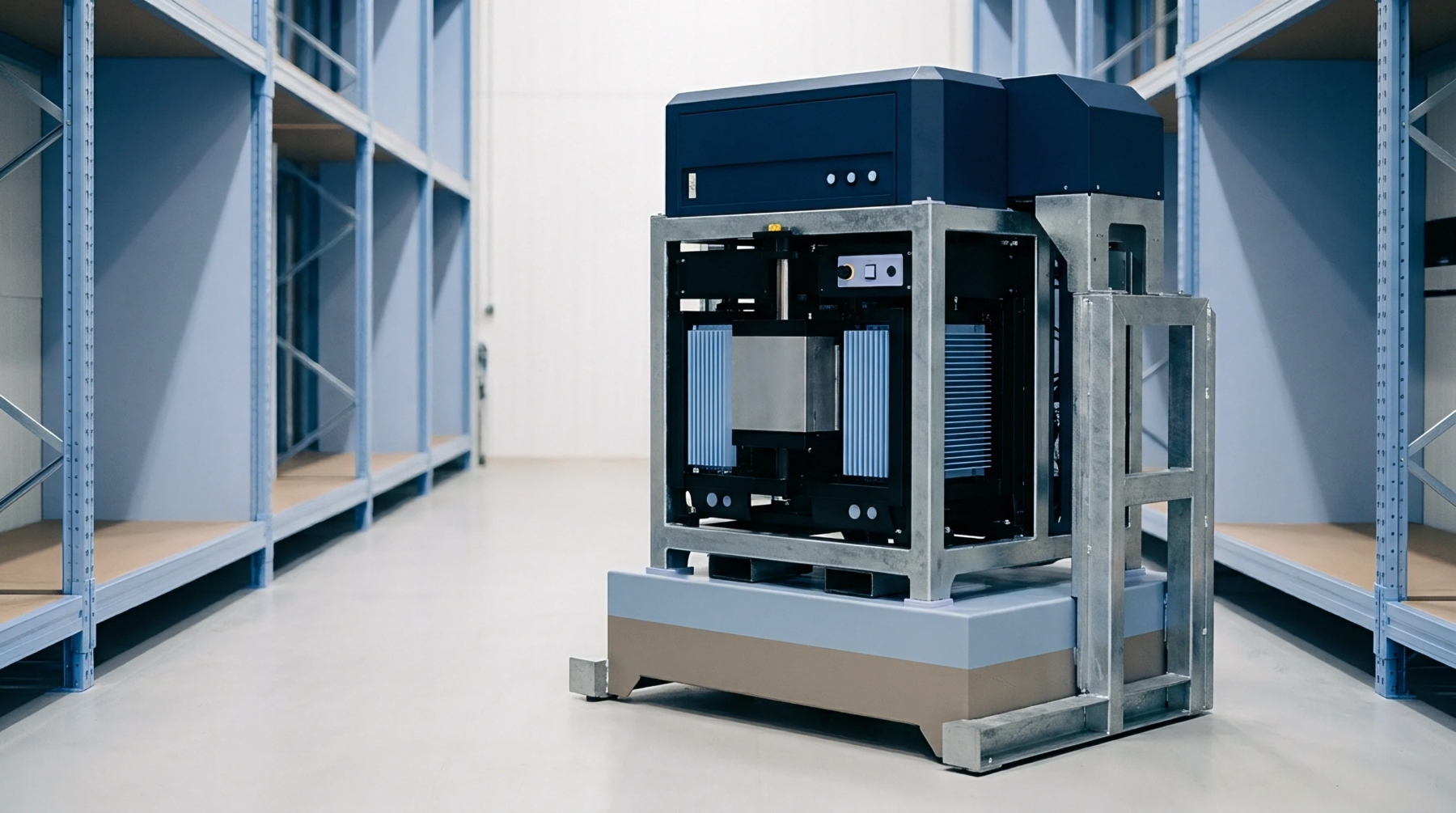
Customs holds on non-compliant cell shipments generate compounding dangerous goods demurrage fees that require enforceable supplier indemnities and payment holdbacks.

Verify UN 38.3 reports by matching test dates against active ISO 17025 scopes from ILAC MRA national registries before shipping to avoid customs holds.
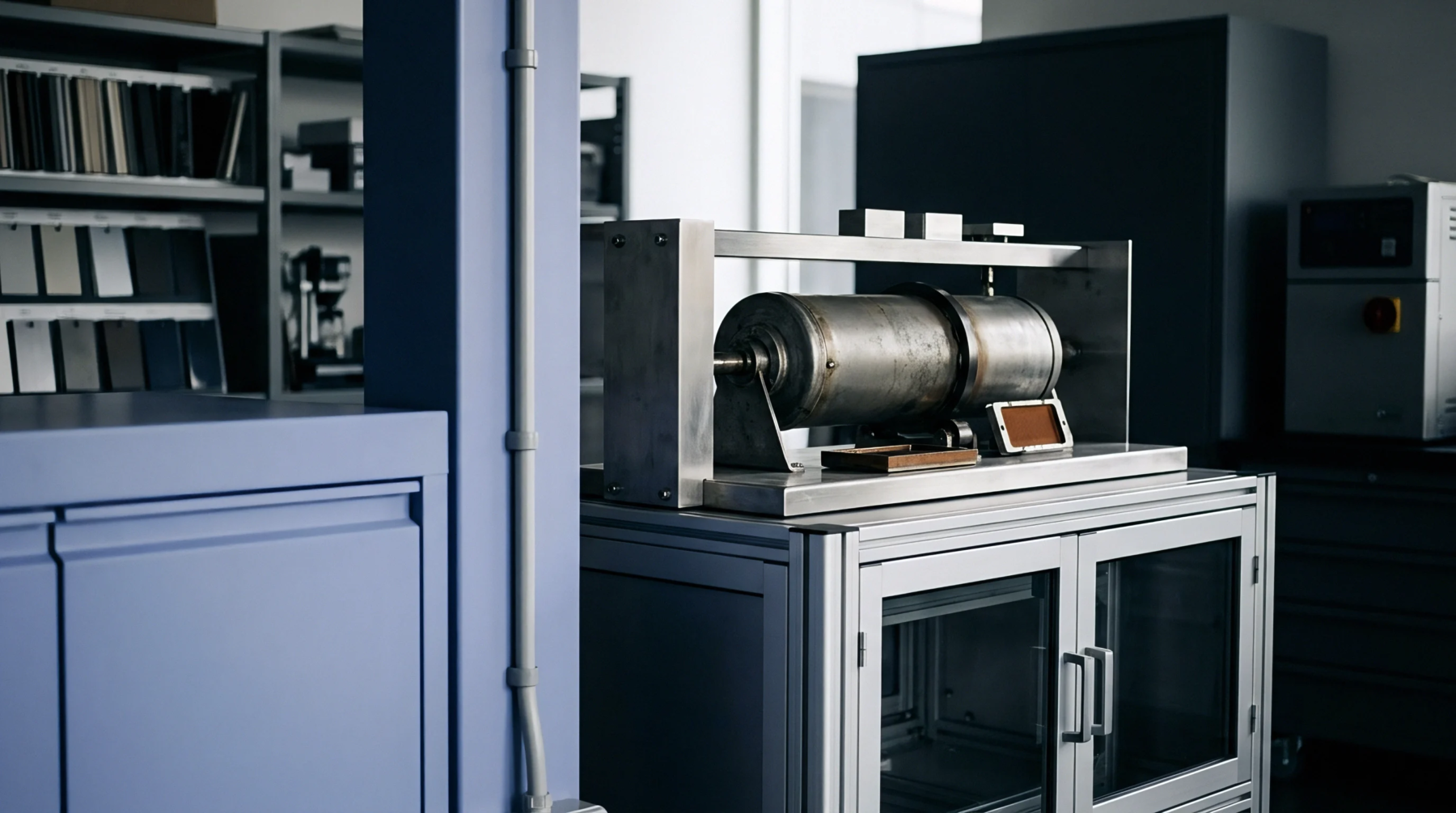
Verify UN 38.3 test summaries by matching technical report fields against accredited lab databases, factory trace codes, and physical SOC transport limits.
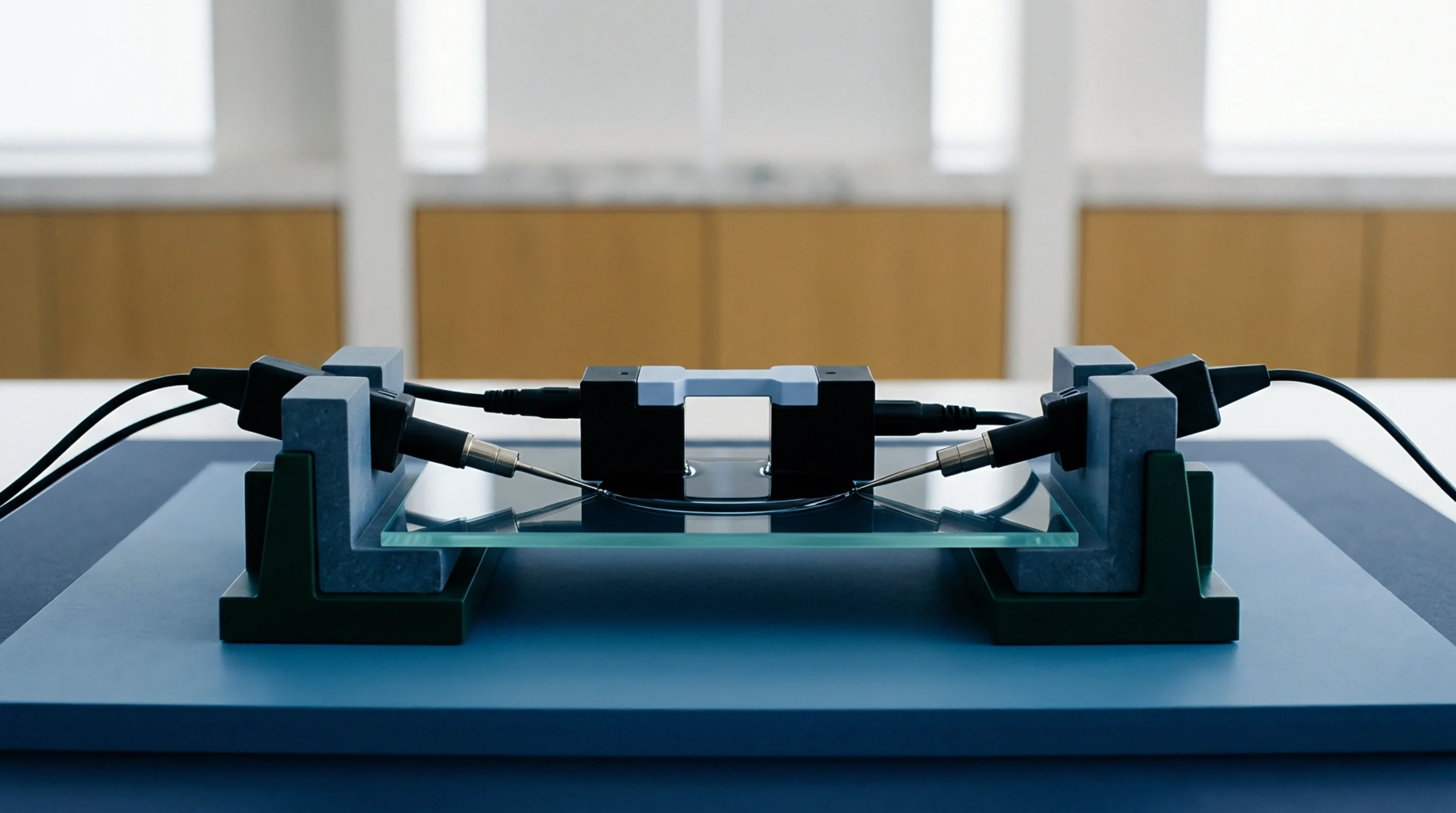
Verify UN 38.3.5 test summary lab accreditation, physical model metrics, and 30 percent SOC limits prior to air cargo tendering to avoid stranded shipments.

Verifying UN 38.3 test summaries requires matching physical cell markings, mass, and laboratory ISO 17025 scope against mandatory section 38.3.5 fields.
UN 38.3 test summary audits require verifying ten mandatory 38.3.5 elements against ISO 17025 lab scope data to prevent carrier dock rejections.
Expertise is a utility, not a secret. sentiention™ publishes its working knowledge as open reference: intelligence layer covering the materials it sources, the markets it enters, and the reference that serves both.