Meaning
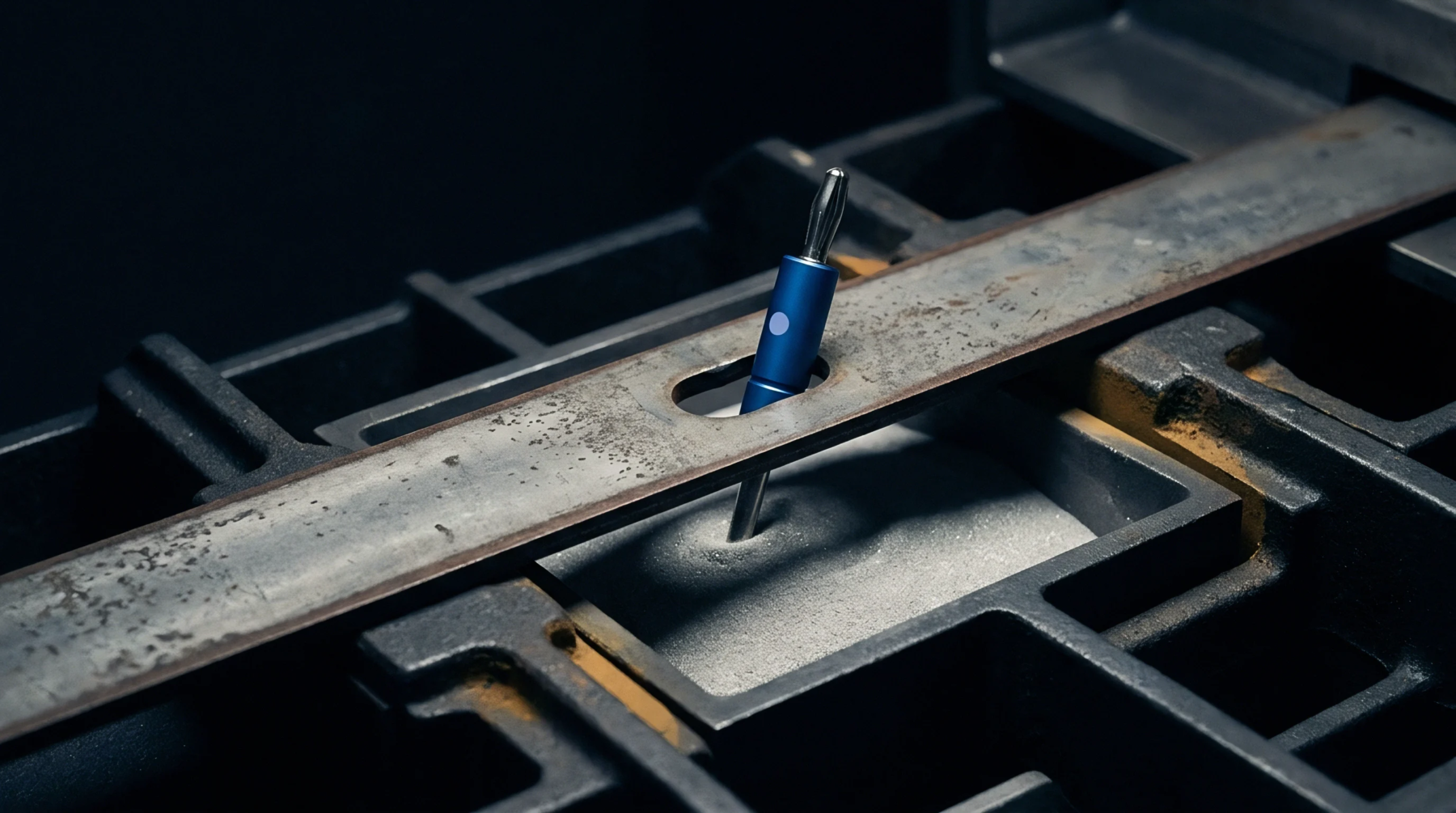
Industrial ceramic materials designed to withstand extreme temperatures without reacting with molten metals or semiconductor melts provide critical thermal barrier functions in high-vacuum processing. A boron nitride refractory consists of hexagonal boron nitride grains bound together or sintered to form crucibles, nozzles, and structural kiln components. This material blocks the flow of heat while resisting wetting by molten aluminum, silicon, or iron, which protects the integrity of containment vessels during melting and casting operations.
Its usefulness ceases in oxidizing atmospheres above nine hundred degrees Celsius where rapid oxidation to boron oxide occurs, transforming the ceramic into a glass-like substance.
Thermal Conductance
Heat dissipation in high-temperature environments depends on the crystalline orientation of the ceramic. A boron nitride refractory exhibits highly anisotropic thermal conductivity with values along the basal plane reaching ten times those along the perpendicular axis. This variation requires precise alignment during the component machining phase to ensure heat is routed away from sensitive electronic or structural zones.
Proper orientation prevents local hotspots.
Chemical Resistance
Molten metal contact does not degrade the non-wetting surface of the dense hexagonal crystal matrix. The boron nitride refractory maintains structural stability because its surface has a low surface energy that prevents liquid metals from adhering or forming chemical bonds. This characteristic reduces slag build-up and minimizes contamination of high-purity metal alloys.
It allows long continuous casting runs.
Degradation Limit
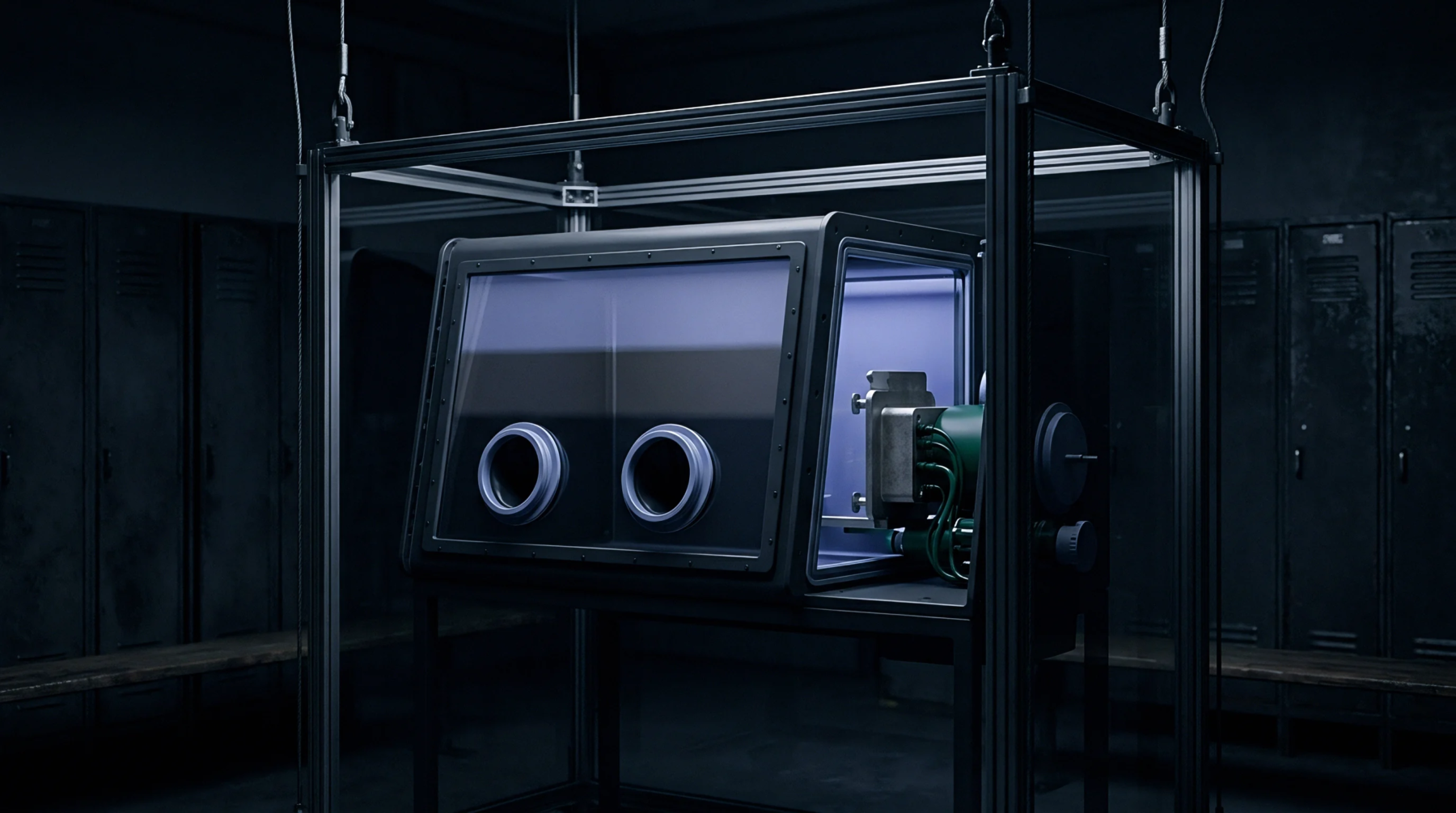
Atmospheric conditions restrict the operational range of these sintered bodies in gas-fired or open-air furnaces. While a boron nitride refractory performs reliably in nitrogen or argon up to two thousand degrees Celsius, the presence of oxygen initiates conversion to liquid boron trioxide at lower temperatures. This liquid phase flows and dissolves the remaining structural ceramic, which causes rapid structural failure of the component.
Operating systems must therefore maintain strict atmosphere controls to prevent premature component failure.