Meaning
This logistical phenomenon refers to the condensation of moisture on the ceiling and walls of shipping containers during long distance maritime transport. Typically caused by rapid temperature drops during the voyage, container rain occurs when the air inside the container cools below its dew point. This moisture then drips onto the cargo, posing a serious risk of corrosion and damage to battery components.
Sourcing and logistics teams utilize desiccants and protective barrier packaging to prevent this condensation from reaching the sensitive goods. If the packaging fails, the moisture can cause surface rust, electrical short circuits, and material degradation.
Climatic Drivers
The formation of condensation is driven by the temperature fluctuations experienced by the shipping container as it passes through different climatic zones. When the vessel moves from warm, humid regions to cooler waters, the metal walls of the container cool rapidly. The humid air inside the container, which holds moisture evaporated from the packaging materials or the cargo itself, cannot hold the water as the temperature drops.
This leads to the condensation of liquid water on the cold metal surfaces, which accumulates and eventually drips onto the cargo below. Proper ventilation and humidity control are necessary to mitigate this risk.
Cargo Protection
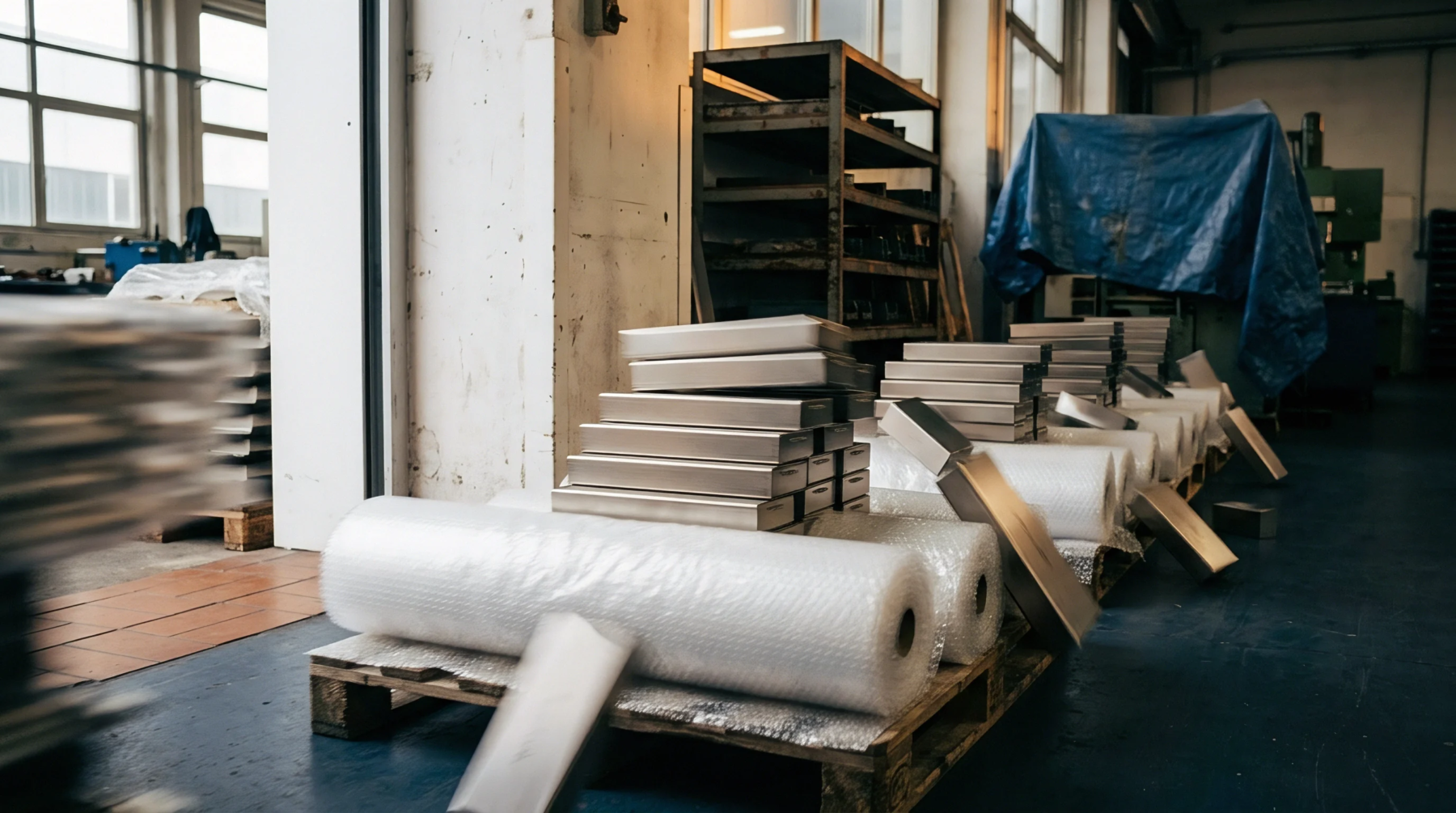
To shield sensitive cargo from this dripping water, logistics specifications require the use of moisture barrier bags and desiccants. These protective measures absorb the ambient moisture before it can condense or penetrate the packaging. Sourcing contracts often define the type and quantity of desiccants to be placed inside each shipping crate based on the expected transit duration and route.
The use of heavy duty plastic sheeting on the top of the pallets provides an additional layer of protection against the falling water. This prevents the direct contact of liquid water with the battery cells or electronic components.
Logistical Sourcing
Procurement departments evaluate the shipping and packaging standards of their suppliers to ensure that the risk of condensation damage is minimized. Sourcing agreements include detailed guidelines on the moisture content of the wooden pallets and cardboard boxes used, as they are a major source of internal humidity. If the packaging materials are too damp, they will release moisture into the container air, exacerbating the condensation problem.
Sourcing teams audit the packaging process to ensure that all protective barriers are correctly installed and sealed before shipment. This ensures that the goods arrive at the destination in perfect condition, ready for assembly.