Meaning
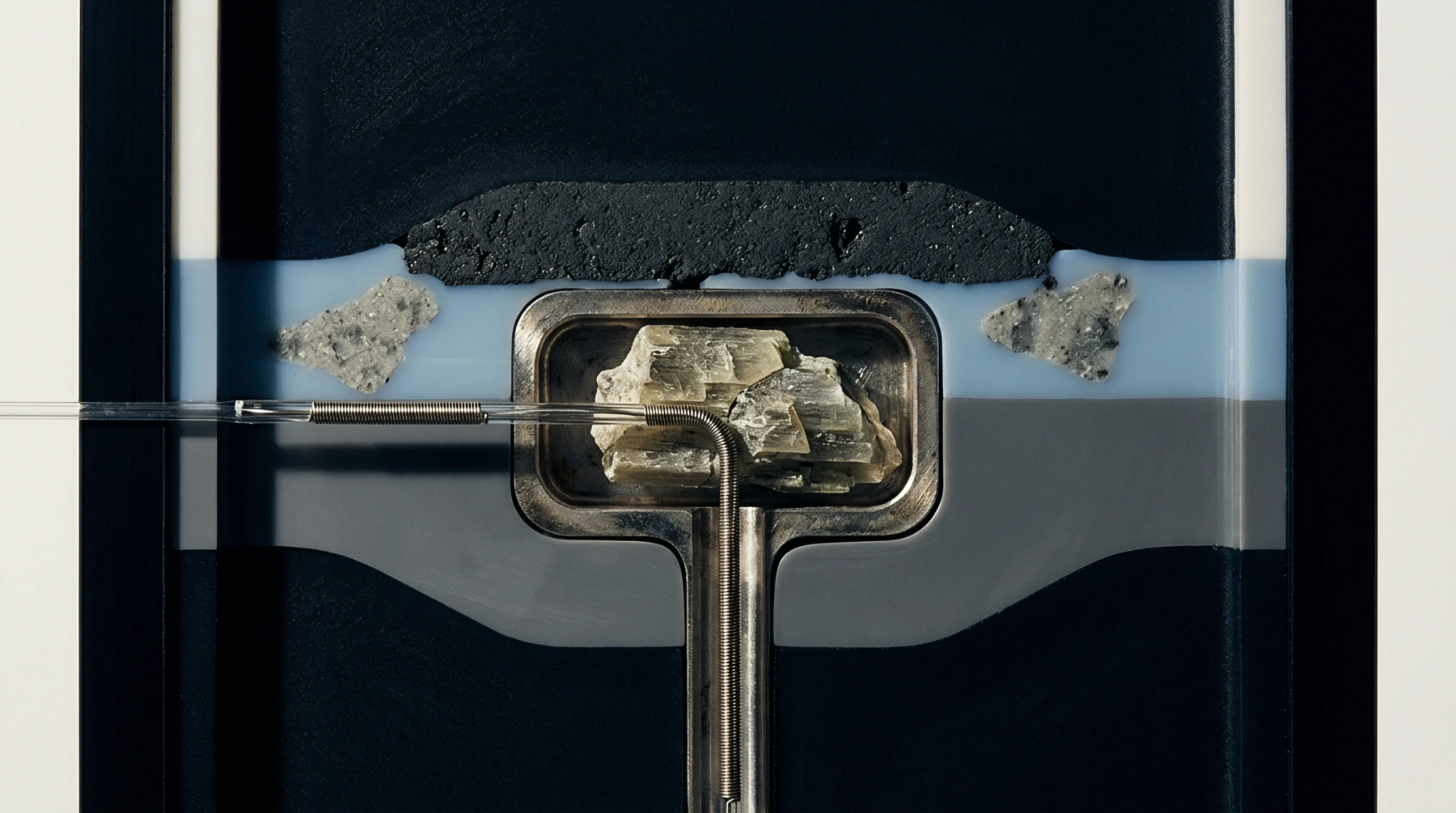
Electrochemical degradation processes destroy the protective solid electrolyte interphase layer on a cell’s anode during cycling. This continuous passivation breakdown forces the battery to consume active lithium to rebuild the protective layer, causing capacity loss. The phenomenon occurs primarily during high-voltage operation or at elevated temperatures and ceases when the cell is at rest.
Electrochemical Damage
High operating potentials destabilize the organic solvents in the electrolyte, leading to chemical oxidation at the electrode surface. This continuous passivation breakdown releases gas and generates microscopic cracks in the anode coating. Engineers observe a rise in internal resistance as the active material is lost.
Cell Aging
Long-term cycling under harsh conditions accelerates the depletion of the liquid electrolyte through these recurring side reactions. The progress of continuous passivation breakdown reduces the power density of the battery over hundreds of cycles. This decline determines the useful life of the cell in electric vehicle applications.
Thermal Vulnerability
Thinning of the protective layer lowers the threshold temperature at which the anode begins to react exothermically with the remaining electrolyte. Recurring continuous passivation breakdown makes the cell more susceptible to thermal runaway during fast charging. This hazard requires the battery management system to restrict current when temperatures rise, reducing the fast-charging rate to preserve safety.