Continuous Pyrolysis versus Chemical Pre-Sodiation in Hard Carbon Yields
Continuous pyrolysis delivers lower manufacturing costs and stable hard carbon yields, whereas chemical pre-sodiation boosts efficiency at higher scrap and reagent expenses.
Kiln
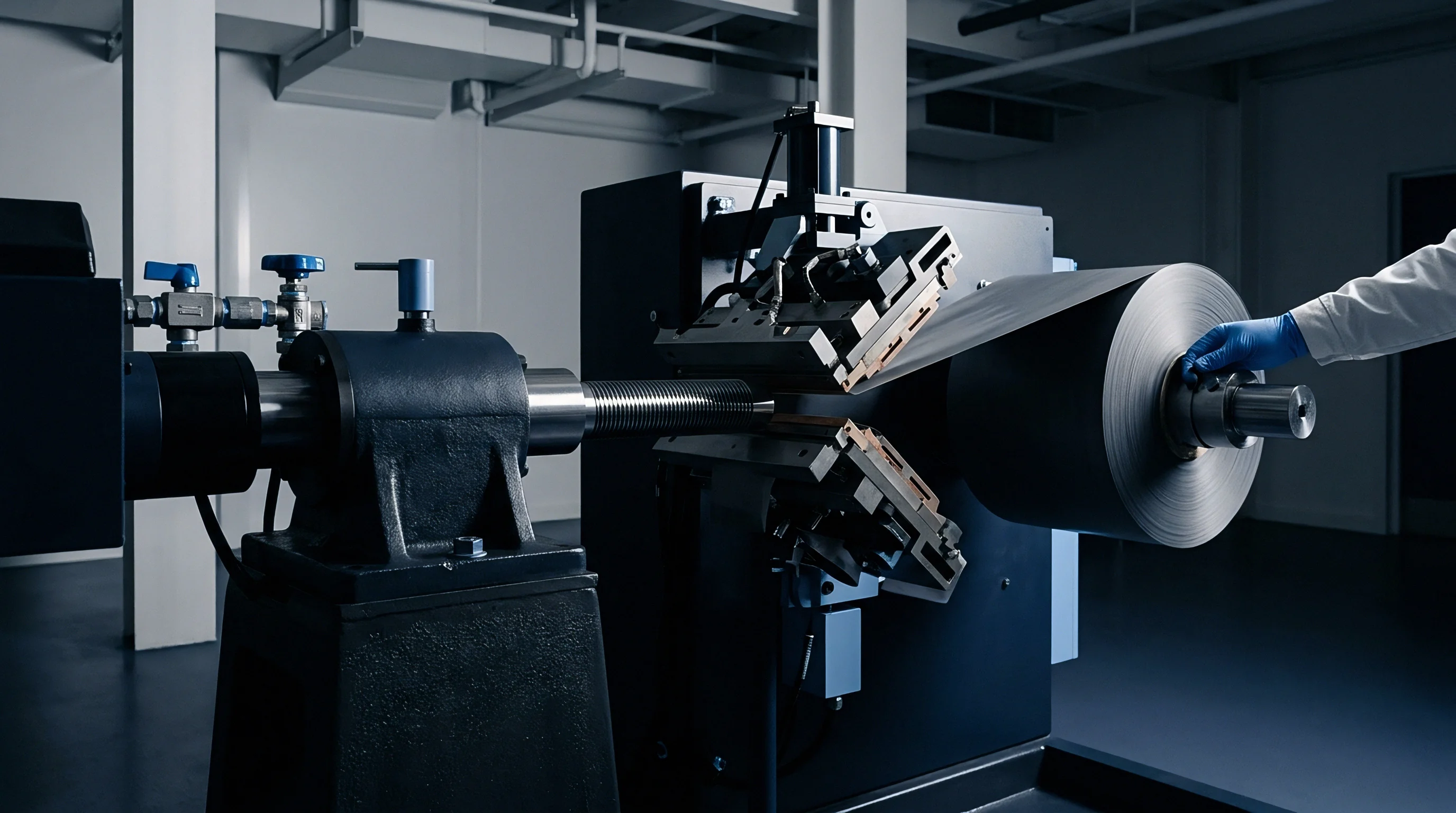
Processing phenolic resin, sucrose, or biomass feedstocks in continuous rotary pyrolysis reactors at 1100 to 1350 degrees Celsius yields 32 percent to 41 percent hard carbon precursor by mass. Stationary box furnaces running at identical thermal setpoints manage only 26 percent to 34 percent. Rotating the kiln barrel keeps particles in motion, ensuring uniform bed exposure to counter-current nitrogen or argon purge gas.
This steady gas-solid contact strips volatile organics and tar condensates before secondary thermal cracking deposits disordered, high-surface-area soot onto the carbonizing granules.
Clearing volatiles effectively is critical for initial coulombic efficiency. In static furnaces, stagnant boundary layers allow volatiles to redeposit as tar on carbonizing biomass precursors. These deposits leave behind microporous surfaces with specific surface areas above 12 square meters per gram by multipoint nitrogen gas sorption.
Continuous rotary kilns suppress this tar deposition, keeping specific surface areas of finished hard carbon particles below 4.5 square meters per gram ~ which directly limits electrolyte decomposition during first-cycle sodium uptake.
Rotary kiln residence times of ninety minutes at 1300 degrees Celsius yield hard carbon with specific surface areas below four square meters per gram.
Residence time distribution controls structural uniformity across a lot. Continuous tube furnaces expose precursor particles to uniform heat transfer profiles as they move through the hot zone. Batch operations suffer from thermal gradients between outer crucible walls and the stagnant center of the bed, where core temperatures lag setpoints by up to 140 degrees Celsius during ramp phases and broaden the distribution of carbon interlayer spacing.

Thermal Dynamics and Carbon Precursor Conversion
Feed rates determine residence time inside the rotary reactor. Setting kiln inclination between 1.2 degrees and 2.5 degrees and rotation speed between 3 and 6 revolutions per minute controls solid flow through successive temperature zones: dehydration at 250 to 400 degrees Celsius, primary carbonization at 600 to 900 degrees Celsius, and final graphitization-like ordering between 1100 and 1350 degrees Celsius.
Precise temperature staging prevents structural foaming. Sudden heating forces rapid volatile escape, swelling particles and collapsing internal voids until tap density drops below 0.85 grams per cubic centimeter. Staged heating keeps tap density above 0.98 grams per cubic centimeter, allowing formulators to cast dense electrode films without resorting to high solvent volumes or suffering binder migration.
Continuous nitrogen sweeping carries off volatile tars as soon as they emerge, whereas static crucibles trap those vapors against the bed ~ a difference clearly visible in carbon purity assays.
Reagent
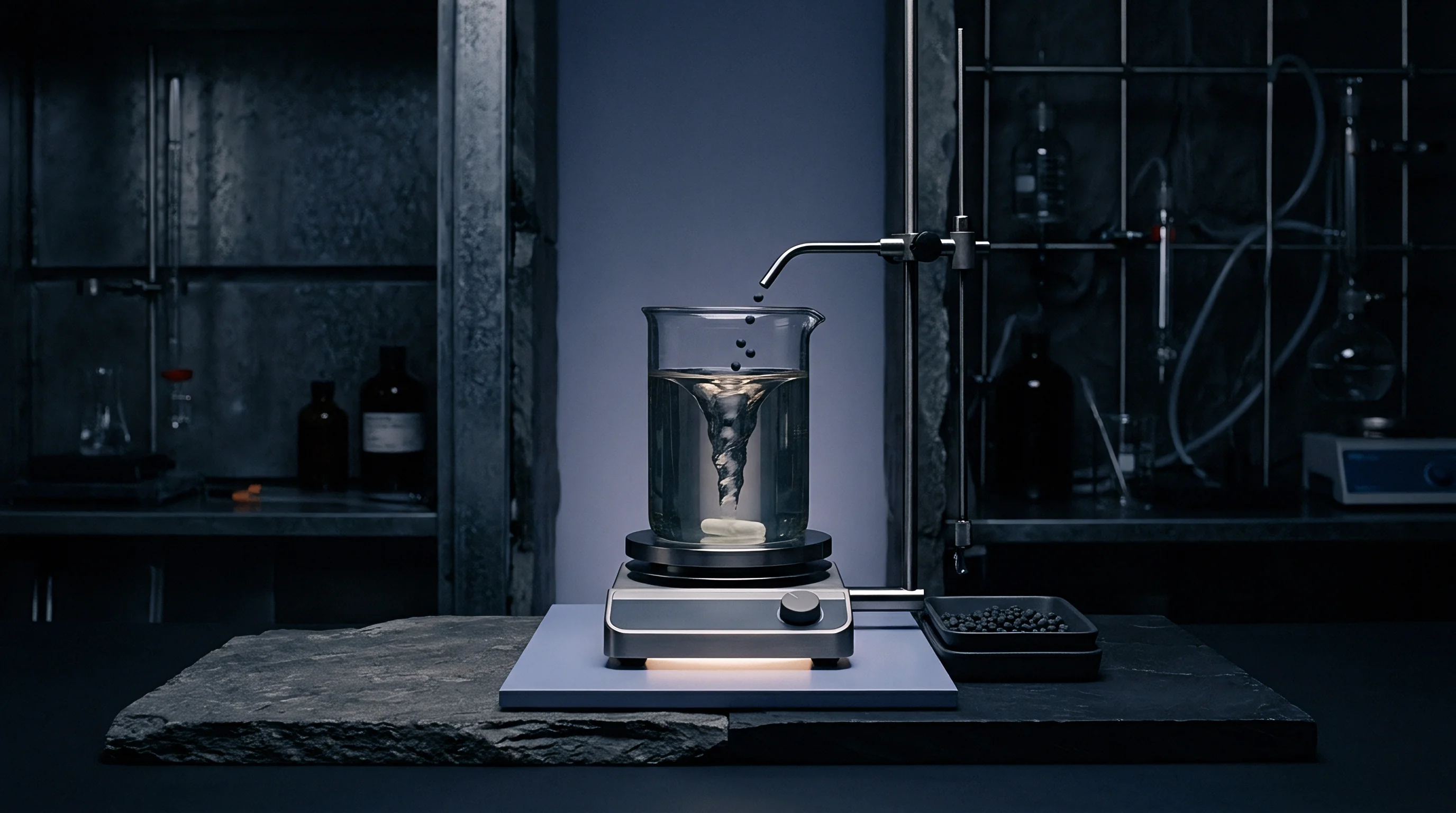
Chemical pre-sodiation adds active sodium directly to the hard carbon matrix before cell assembly, offsetting capacity lost to solid electrolyte interphase formation. Organosodium electron-transfer complexes serve as the main liquid reagents. Sodium naphthalenide in tetrahydrofuran or 2-methyltetrahydrofuran offers a reduction potential of 0.15 volts versus sodium reference, driving spontaneous injection of electrons and sodium ions into the carbon host.
Solution concentration sets the reaction kinetics. Immersing electrodes in 0.2 to 0.5 molar sodium naphthalenide for 60 to 180 seconds loads enough sodium to raise initial coulombic efficiency from 82 percent to 96 percent. The organometallic complex donates electrons to conduction bands in the disordered graphene sheets while solvated sodium ions intercalate between layers or enter closed nanopores.
Electrode immersion exceeding two hundred seconds induces localized sodium plating that dissolves current collector interfaces during subsequent electrolyte wetting.
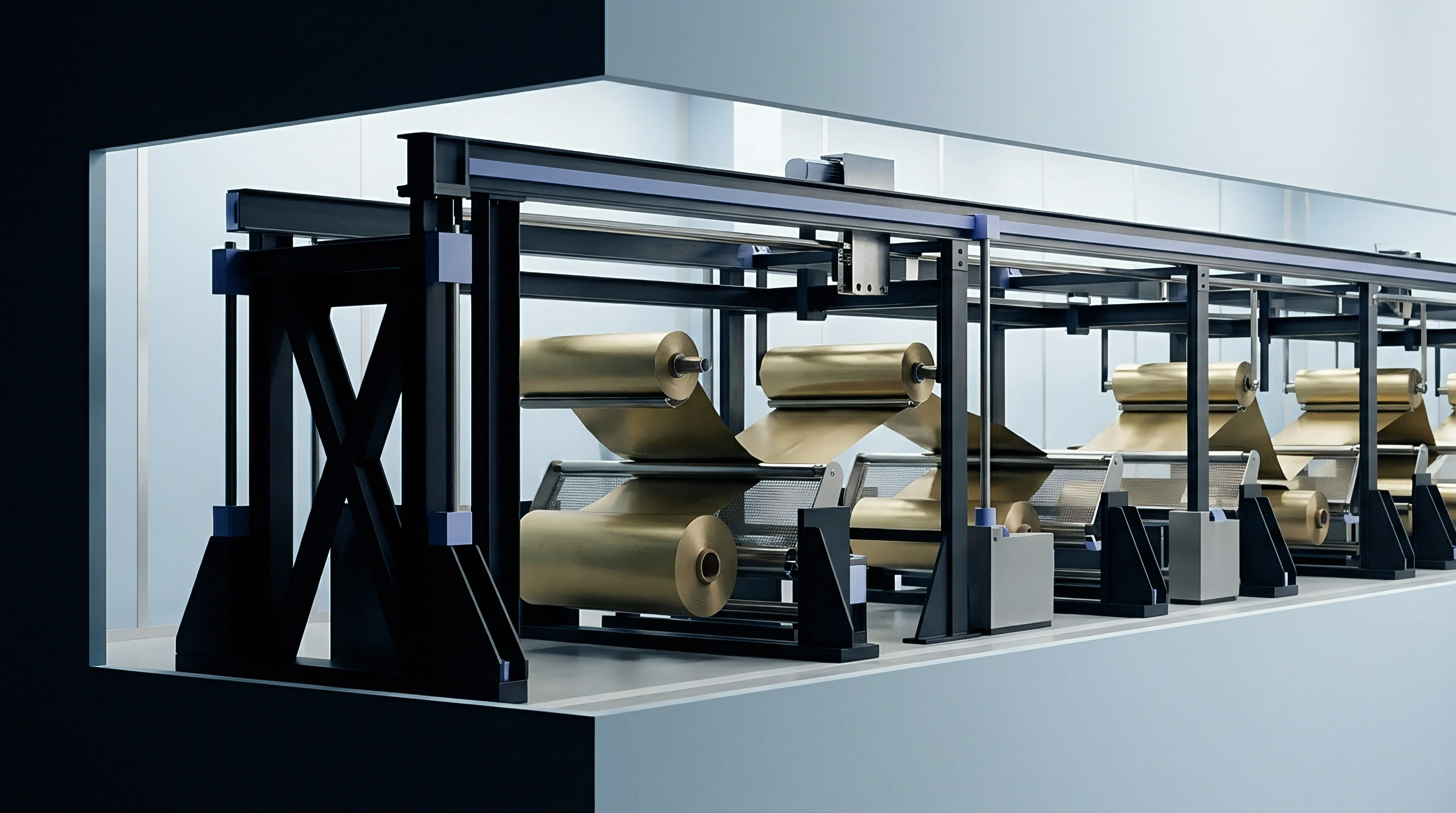
Handling these reagents requires strict atmospheric controls. Organosodium solutions react exothermically with moisture and oxygen to yield sodium hydroxide, sodium carbonate, and free naphthalene. Processing enclosures must keep both moisture and oxygen below 0.1 parts per million; residual naphthalene trapped in the electrode web causes gassing during formation cycling.
Organometallic Reagent Properties
| Reagent Chemistry | Solvent Matrix | Dosing Window | Capacity Target | Solvent Removal Temperature |
|---|---|---|---|---|
| Sodium Naphthalenide | Tetrahydrofuran | 60 to 180 seconds | 45 to 80 mAh/g | 65 to 80 °C under vacuum |
| Sodium Biphenyl | Dimethoxyethane | 45 to 120 seconds | 50 to 95 mAh/g | 75 to 90 °C under vacuum |
| Stabilized Sodium Metal Powder | Mineral Oil or Hexane | Dry roll-press contact | 40 to 70 mAh/g | Ambient mechanical calender |
| Sodium Anthracenide | 2-Methyltetrahydrofuran | 90 to 240 seconds | 35 to 65 mAh/g | 70 to 85 °C under vacuum |
Electrochemical Coupling and Slurry Interactions
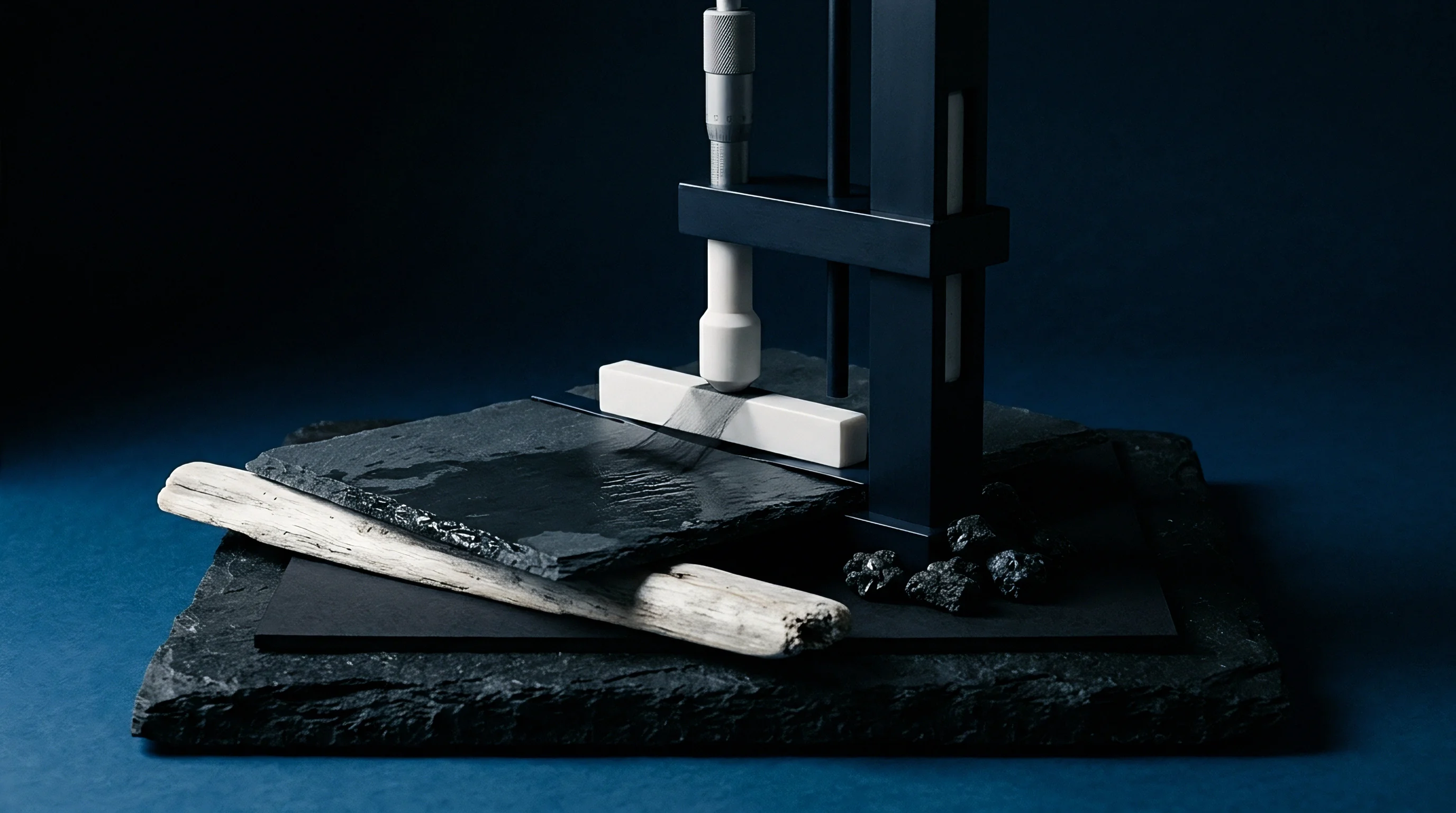
Solvent extraction removes complexing carrier molecules after treatment. Vacuum drying at 75 degrees Celsius clears coordinating ethers from the porous film. Incomplete drying leaves ether molecules trapped between graphene layers, expanding apparent lattice spacing and driving up first-cycle impedance.
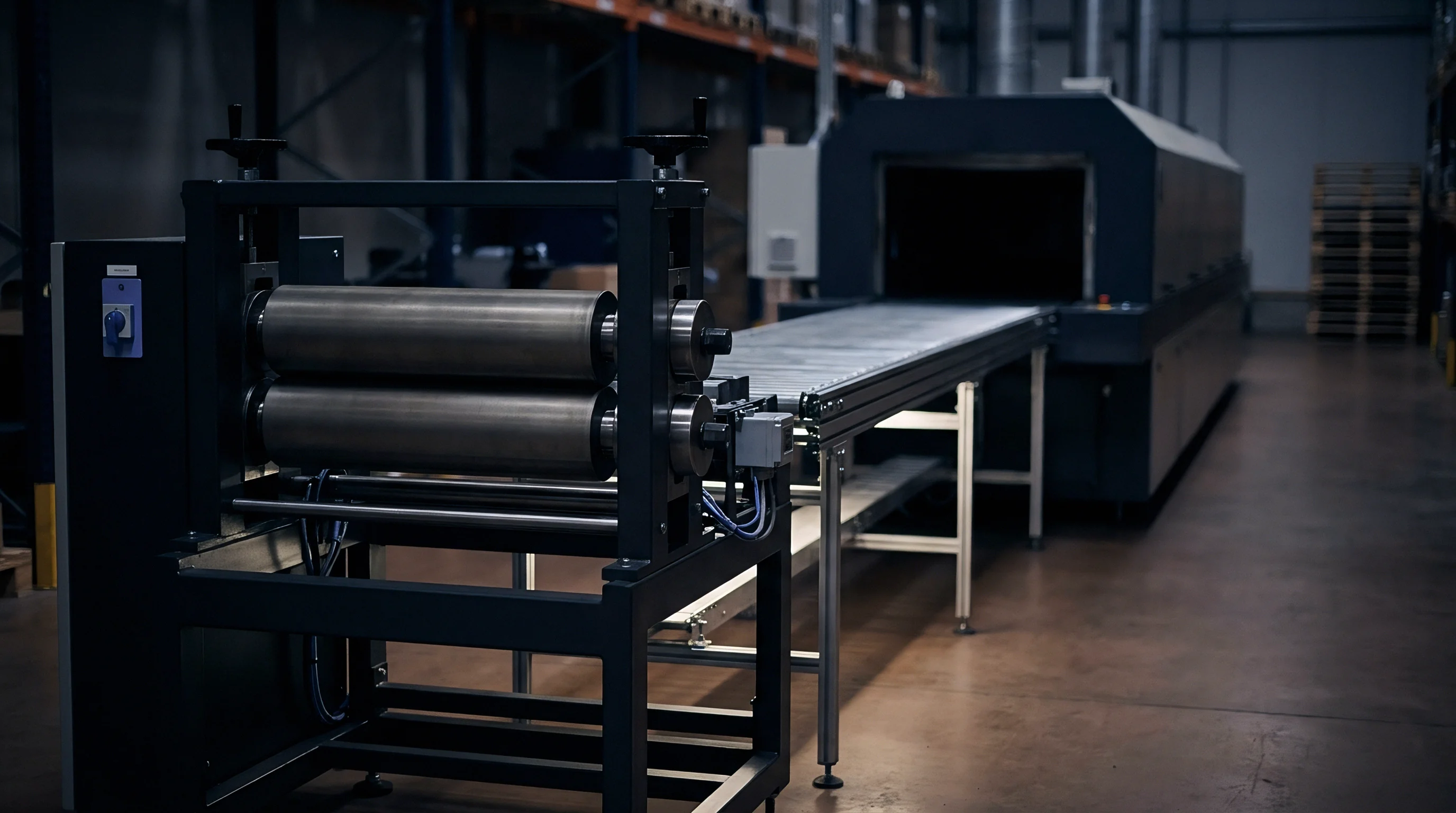
Direct contact with stabilized sodium metal powder provides a dry alternative. Calendering presses sub-20-micrometer sodium particles ~ protected by thin inorganic shells ~ directly into the hard carbon coating. Once electrolyte is added, short-circuit discharge drives metallic sodium into the carbon particles.
Dosing too much sodium drops the anode resting potential below 0.05 volts relative to sodium metal. This over-sodiation forms metallic sodium clusters in macropores, encouraging dendrite growth during fast charging.
Microstructure
Hard carbon stores sodium through two distinct mechanisms: slope capacity above 0.1 volts and plateau capacity below 0.1 volts against sodium. High-temperature continuous pyrolysis controls the balance between them by adjusting graphene sheet expansion and closed pore formation. Raising carbonization temperatures from 1100 to 1350 degrees Celsius in a continuous kiln contracts interlayer spacing from 0.395 nanometers to 0.368 nanometers.
This interlayer compression limits low-voltage sodium clustering while expanding closed pore volume available for quasi-metallic storage. Curved, non-graphitizing graphene clusters enclose nanocavities between 0.8 and 1.8 nanometers in diameter, storing sodium via pore filling without expanding the lattice.
Structural Evolution and Lattice Parameters
Defect density governs initial irreversible capacity. Unpaired sp3 bonds, edge defects, and residual heteroatoms like oxygen and nitrogen trap sodium ions irreversibly. Continuous pyrolysis at 1300 degrees Celsius reduces heteroatoms to under 0.3 weight percent, curbing surface trap sites.
Chemical pre-sodiation shifts chemical potential without altering the underlying structure. Organosodium reagents do not repair lattice defects or remove surface groups; they supply sacrificial sodium ions to fill traps and form a synthetic solid electrolyte interphase prior to initial charging.
Microstructural and Electrochemical Comparison
| Processing Parameter | Continuous Pyrolysis Standard | Batch Pyrolysis Baseline | Chemical Pre-Sodiation Post-Treatment |
|---|---|---|---|
| Interlayer Spacing d002 | 0.370 to 0.375 nm | 0.380 to 0.392 nm | 0.372 to 0.376 nm |
| Closed Pore Volume | 0.08 to 0.14 cm³/g | 0.04 to 0.07 cm³/g | 0.08 to 0.13 cm³/g |
| Surface Area BET | 2.8 to 4.5 m²/g | 8.5 to 14.2 m²/g | 3.5 to 6.2 m²/g |
| Initial Coulombic Efficiency | 84.5 to 88.2 % | 76.0 to 81.5 % | 94.0 to 97.5 % |
| Reversible Capacity | 310 to 345 mAh/g | 270 to 295 mAh/g | 330 to 360 mAh/g |
| Electrode Expansion (Full Charge) | 3.2 to 4.8 % | 5.5 to 7.2 % | 3.5 to 5.0 % |
High-resolution transmission electron microscopy shows that continuous pyrolysis yields uniform turbostratic domains measuring 2.5 to 4.0 nanometers. Batch pyrolysis, by contrast, leaves pockets of highly disordered amorphous carbon alongside graphitic domains, causing uneven current distribution across individual particles during fast charging.
Chemical pre-sodiation alters interphase chemistry. Spontaneous reduction of the organic reagent forms an inorganic surface layer rich in sodium carbonate, sodium fluoride, and sodium oxide. At 5 to 12 nanometers thick, this film exhibits lower charge-transfer resistance than the thick polymeric interphases produced during standard formation cycling.
Whether chemical pre-sodiation can maintain uniform sodium distribution in deeply buried closed nanopores during extended calendar storage remains an open question.
Scrap
Production economics hinge on yield loss. High-temperature continuous pyrolysis achieves synthesis yields between 88 percent and 94 percent qualified carbon output. Scrap in rotary kilns comes mainly from particle attrition: mechanical tumbling fractures granules into sub-micrometer fines collected as cyclone waste.
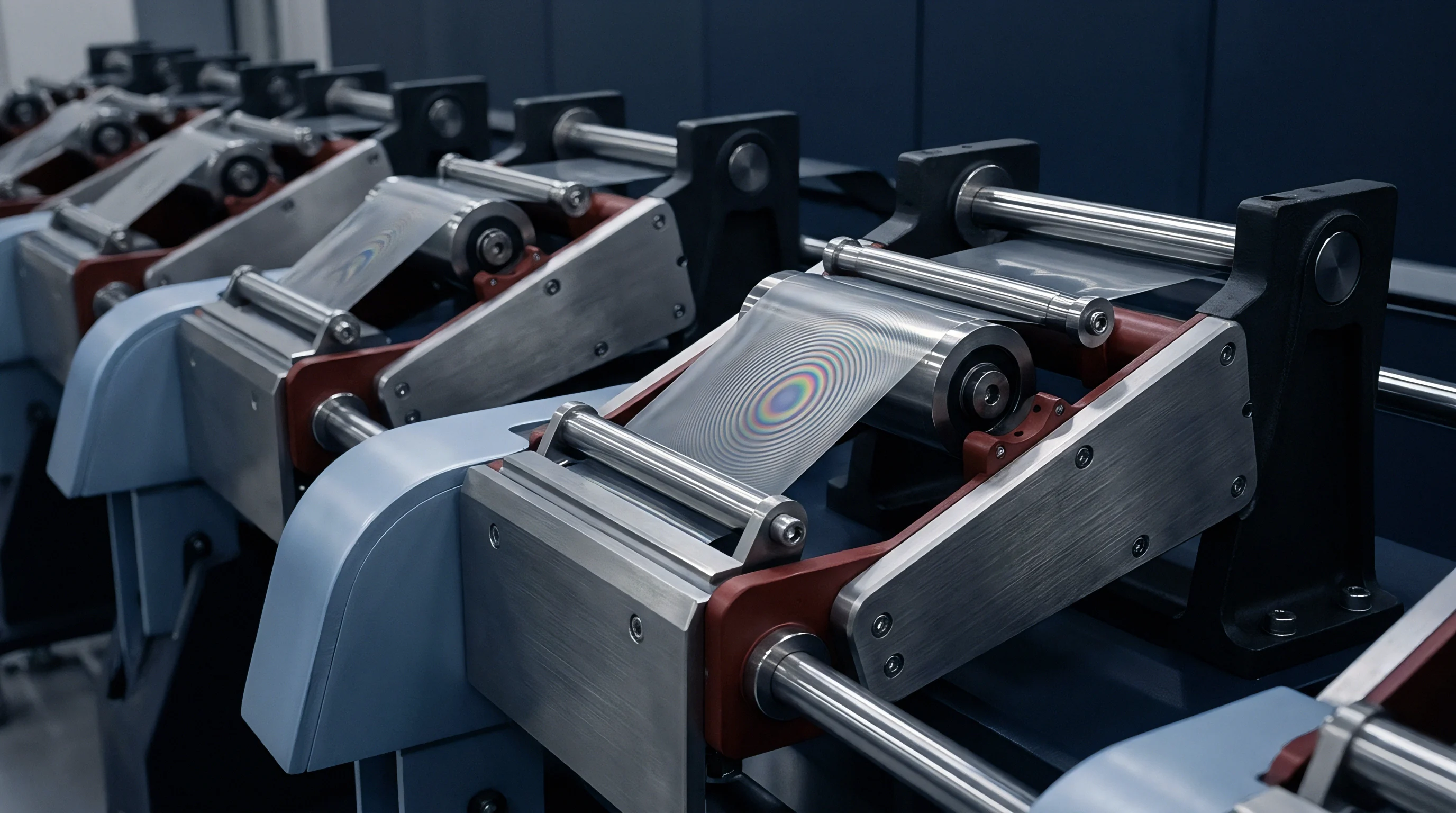
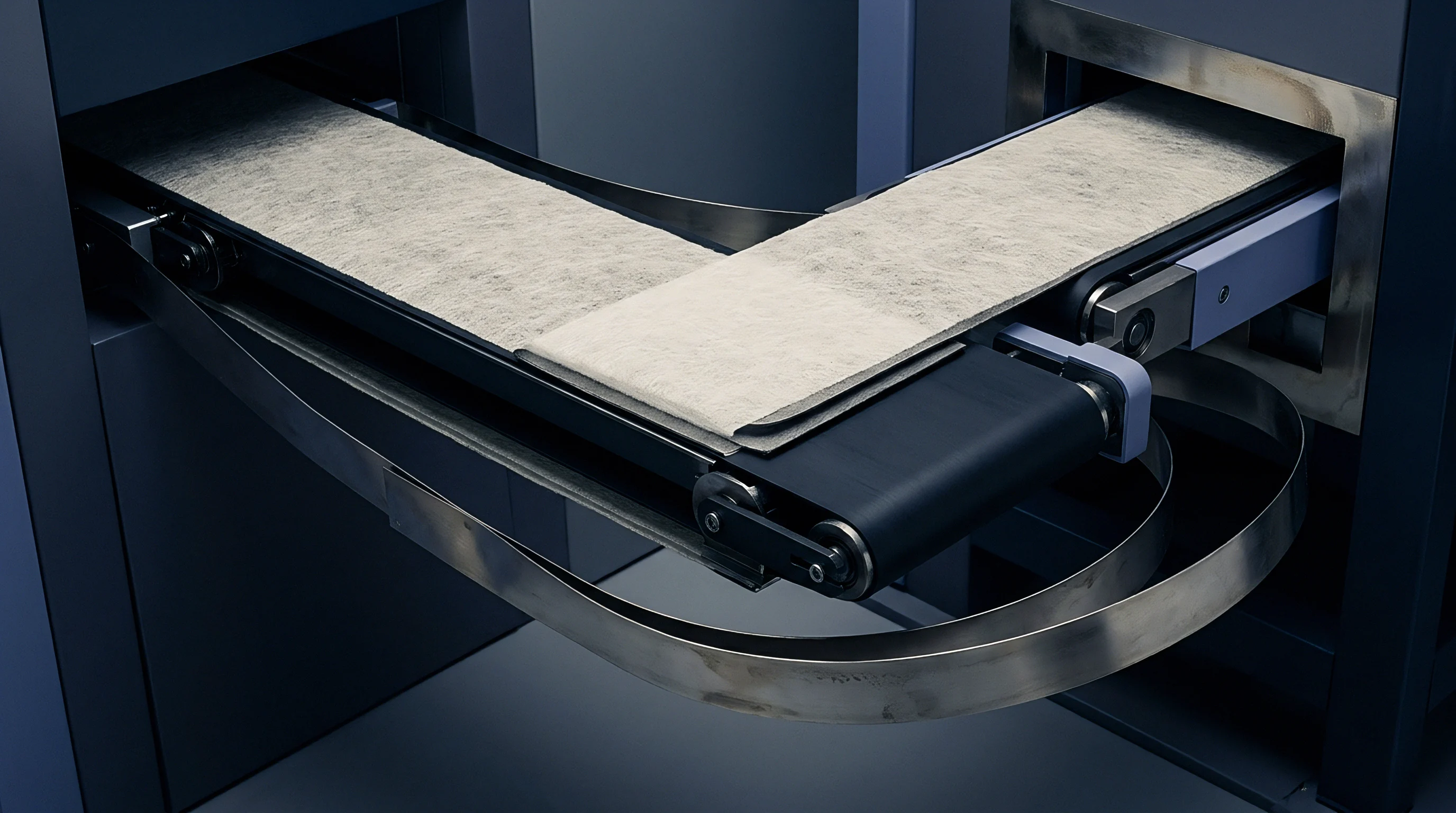
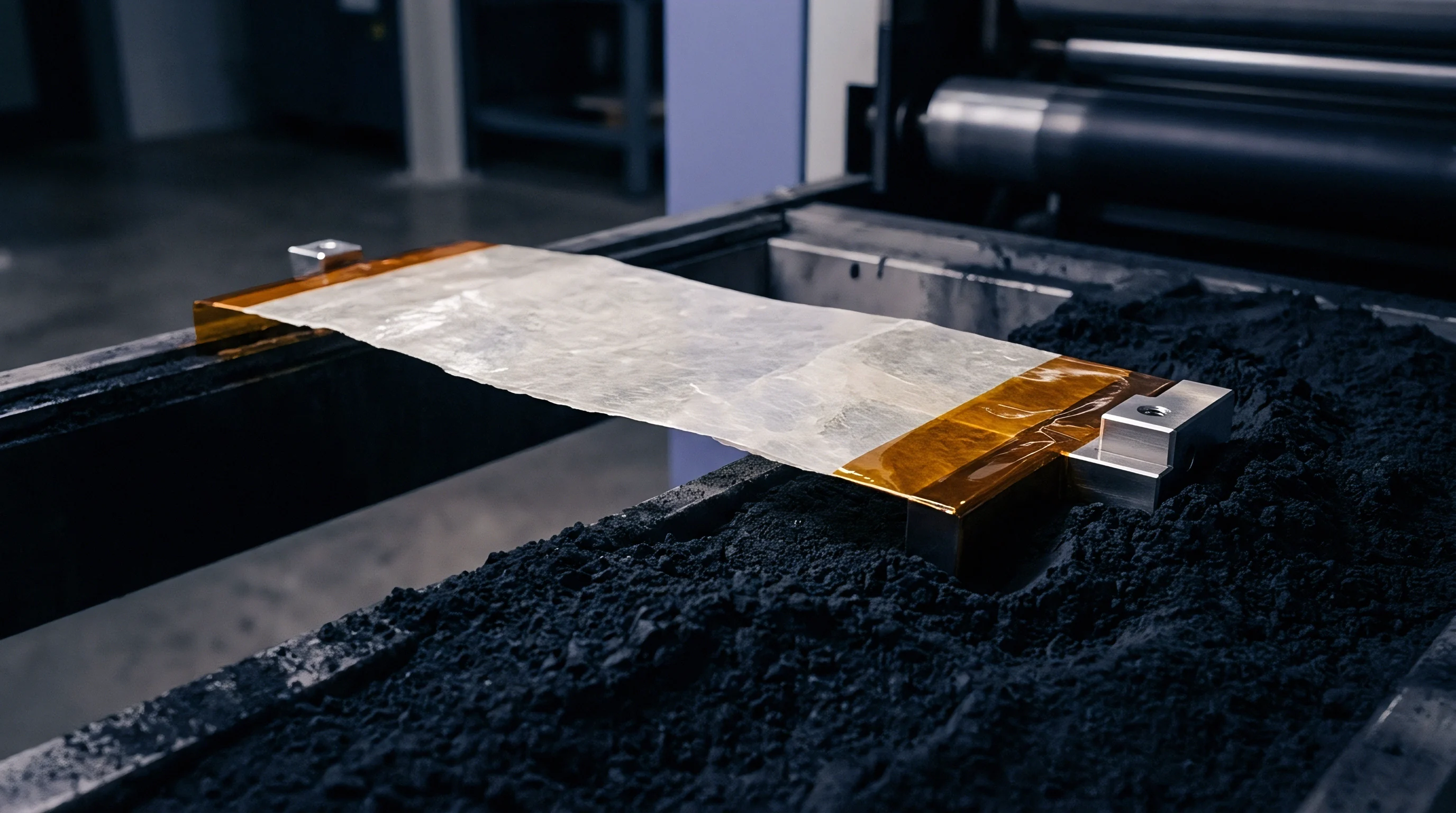
Chemical pre-sodiation introduces scrap risk during coating, drying, and slitting. Immersing finished foils in solvent-borne organosodium baths swells polymeric binders like carboxymethyl cellulose and styrene-butadiene rubber. Ether solvents weaken these binder networks, causing active material to flake under roll-to-roll web tension.
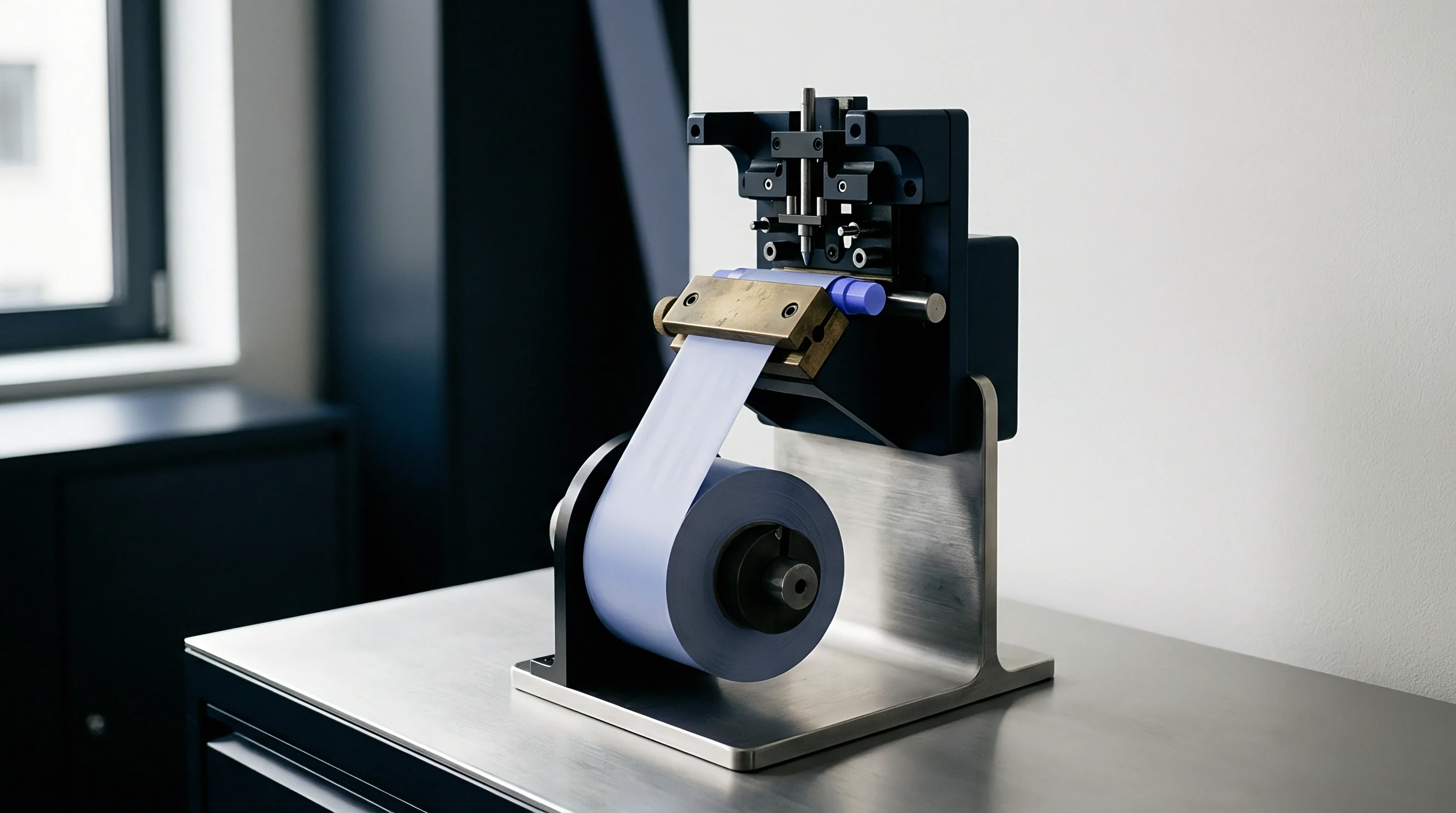
Electrode web tension deviations exceeding five percent on pre-sodiation lines cause micro-cracking across nine percent of finished anode coils.
Binder dissolution creates thickness variations across the web. Polyacrylic acid resists tetrahydrofuran better than styrene-butadiene rubber, but partially converts to sodium salt during pre-sodiation. This conversion stiffens the coating, making the web brittle and prone to edge tears during slitting.
Electrode Manufacturing Fall-Out Drivers
- Slurry binder detachment occurs when coordinating ether solvents dissolve adhesion anchors between the foil current collector (copper or aluminum) and the hard carbon matrix during chemical immersion.
- Localized gas bubble entrapment creates un-wetted pinhole patches on electrode strips when volatile ether carriers boil off unevenly in vertical drying towers.
- Slit edge oxidation leads to thermal runaway scrap during downstream winding if dry room moisture exceeds 0.5 parts per million during coil staging.
- Calender roll adhesion pulls active material off the web when stabilized sodium metal powder forms sticky metallic buildup on chrome-plated steel rolls.
Moisture sensitivity drives cleanroom capital costs. Raw continuous pyrolysis hard carbon powder keeps for months in sealed drums with desiccant blankets without degrading. Pre-sodiated electrode coils begin degrading within four hours if dry room dew points rise above minus 45 degrees Celsius.
Solvent-induced web micro-cracking may not affect finished cell cycle retention if formation pressure beds flatten the electrode stack.
Outlay
Evaluating capital outlay against recurring chemical costs guides the choice between pyrolysis optimization and chemical pre-sodiation. Continuous rotary kilns carry high upfront equipment costs for high-temperature refractory tubes, precision gas purge seals, and automated solid feeding systems. An installation rated for 5000 metric tons annually requires 18 million to 24 million dollars in capital expenditure.
Operating costs for continuous rotary lines are driven by electricity and inert gas consumption. Processing one metric ton of hard carbon powder consumes 4200 to 5800 kilowatt-hours of power and 120 to 180 normal cubic meters of high-purity nitrogen, yielding a material conversion cost of 1.80 to 2.60 dollars per kilogram.
Incoming anode specifications must verify that hard carbon moisture content stays below fifty parts per million prior to slurry mixing.
Chemical pre-sodiation trades initial capital investment for recurring material and hazardous waste overhead. Organosodium reagent solutions run 45 to 75 dollars per kilogram of active reagent. Treating one metric ton of hard carbon coating uses 35 to 50 kilograms of active reagent, adding 1.60 to 3.75 dollars per kilogram of processed electrode in reagent costs alone.
Cost and Resource Model
| Cost Component | Continuous Rotary Pyrolysis Route | Batch Furnace Baseline | Chemical Pre-Sodiation Post-Treatment |
|---|---|---|---|
| Thermal Energy Input | 4200 to 5800 kWh/ton | 6800 to 9200 kWh/ton | 350 to 600 kWh/ton (dryer) |
| Inert Gas Volume | 120 to 180 Nm³/ton | 280 to 410 Nm³/ton | 45 to 80 Nm³/ton |
| Direct Reagent Expense | 0.00 USD/ton | 0.00 USD/ton | 1600 to 3750 USD/ton |
| Scrap Yield Penalty | 6.0 to 12.0 % | 18.0 to 28.0 % | 11.5 to 19.5 % |
| Solvent Recovery Overhead | 0.00 USD/ton | 0.00 USD/ton | 420 to 850 USD/ton |
| Net Processing Cost | 1800 to 2600 USD/ton | 2900 to 4100 USD/ton | 3820 to 5800 USD/ton |
Solvent recovery creates an additional expense in pre-sodiation lines. Distillation units must capture and recycle volatile ethers to comply with emissions regulations and control operating budgets. Reclaiming tetrahydrofuran or dimethoxyethane from hot inert gas loops adds 420 to 850 dollars per metric ton of processed web.
Cell-level economics depend heavily on cathode matching. Pre-sodiated hard carbon allows engineers to offset excess cathode capacity, reducing the required mass of expensive sodium transition metal oxides like sodium nickel manganese iron oxide. Trimming five percent of cathode mass saves roughly 2.20 to 3.40 dollars per kilowatt-hour of cell capacity, offsetting part of the pre-sodiation cost.
Ultimately, pairing low-defect continuous pyrolysis anodes with standard cathodes yields lower landed manufacturing costs than pairing lower-grade carbons with chemical pre-sodiation lines.