Meaning
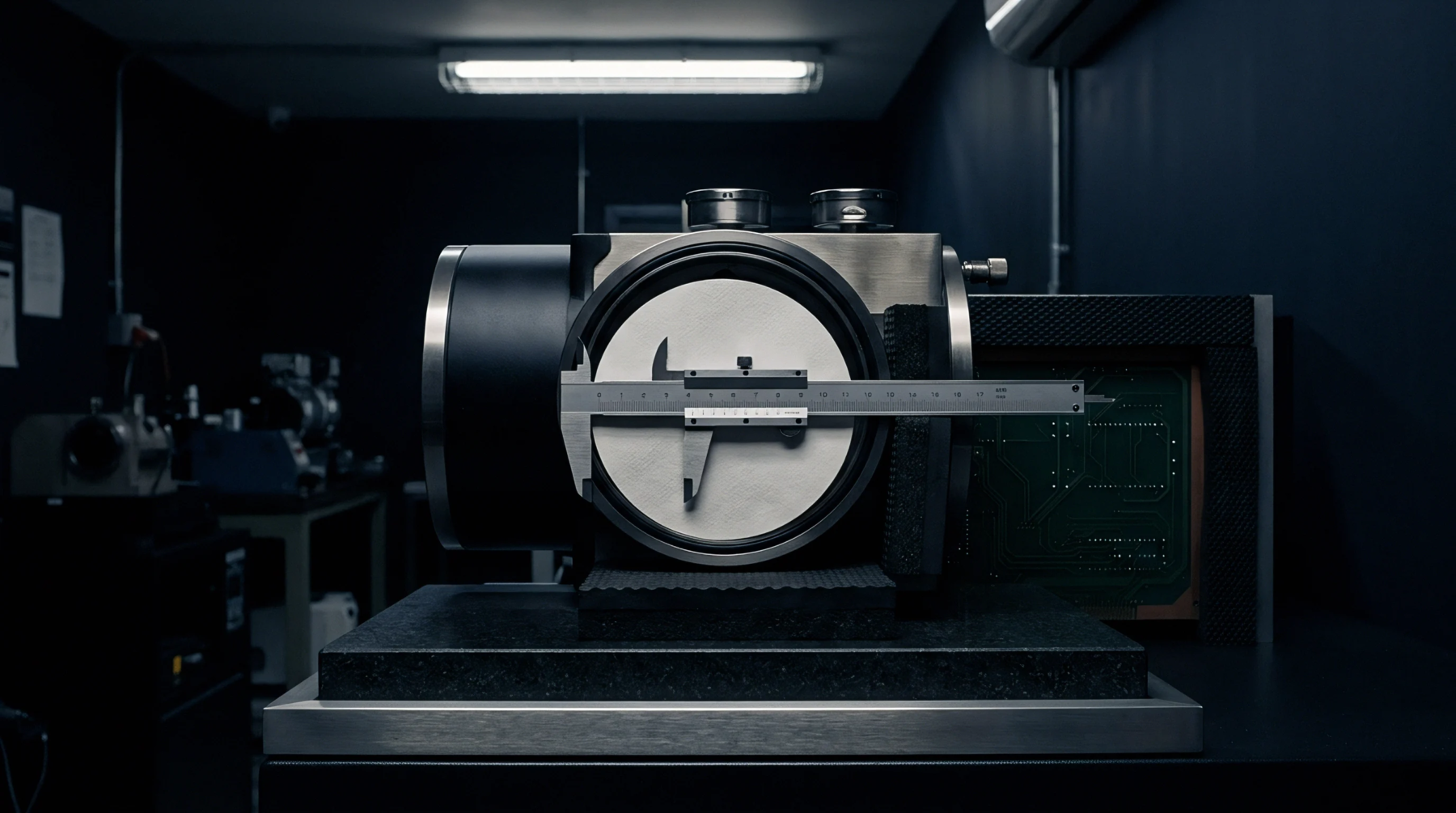
Spatial tolerance boundaries quantify the distance along an optical axis over which an image maintains acceptable sharp definition without adjusting lens position. Automated inspection lines use depth of field to accommodate surface height variations on moving battery packs. Measurement limits collapse as optical magnification increases.
Optical Geometry
Numerical aperture and illumination wavelength govern optical resolution alongside depth range. Narrow aperture diaphragms extend the working depth while reducing light transmission to optical sensors. High magnification objectives compress axial working range to microscopic dimensions.
Optical design balances light gathering power against permissible vertical positioning error.
Tolerance Window
Surface height variations on stamped battery enclosures exceed focus margins when mechanical positioning systems introduce vibration or tilt. Inadequate depth margins cause blurring on defect detection cameras, generating false rejection signals during automated inline screening. Increasing optical depth allows inspection cameras to capture clear images across curved prismatic cell surfaces without dynamic re-focusing actuators.
Higher depth tolerances reduce mechanical complexity in high-speed sorting conveyers. System designers select focal distances that balance spatial resolution with mechanical alignment tolerances.
Inspection Quality
Quality specifications define minimum spatial sharpness metrics across the entire height profile of scanned battery modules. Calibration targets verify depth of field during vision system setup and routine line recalibration. Machine vision software flags out-of-focus image regions to prevent unverified cells from passing control gates.
Maintenance teams recalibrate lens assemblies when mechanical wear shifts sensor alignment.