Meaning
Material combinations that possess distinct electrochemical properties or mechanical characteristics are frequently required to optimize current collection and busbar distribution. When copper and aluminum are joined as dissimilar metals, the contact region becomes vulnerable to corrosion and mechanical failure. Sourcing specifications must define the joining method to prevent degradation at these hybrid junctions.
Electrochemical Compatibility
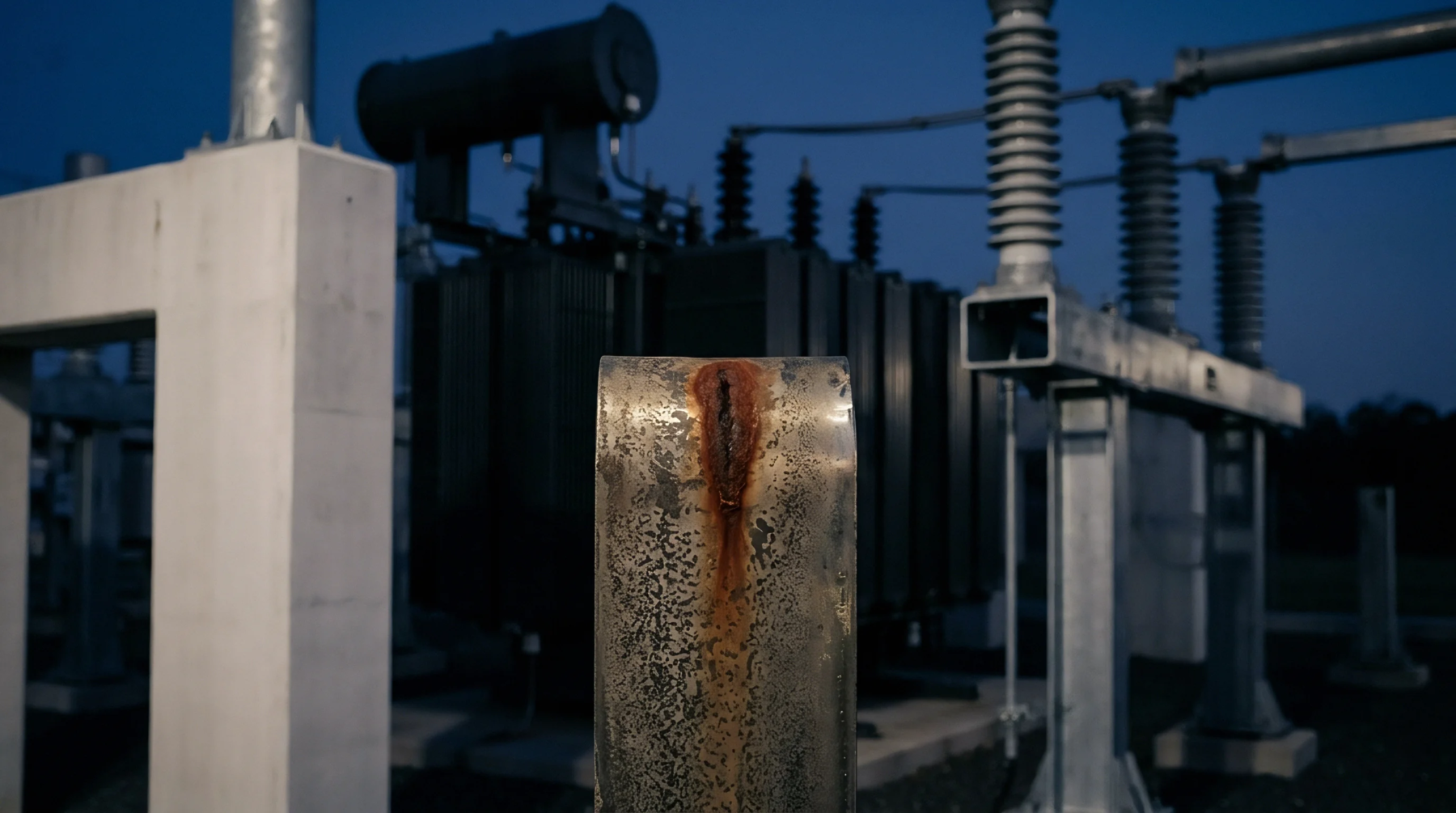
Voltage differences between two distinct elements drive galvanic action when moisture is present. The use of dissimilar metals in cells makes the joint susceptible to accelerated oxidation.
Joint Degradation
Thermal expansion differences between distinct elements generate mechanical stress during temperature cycles. In a typical pack, aluminium terminals are often joined to copper busbars, bringing dissimilar metals into direct contact. Over time, the resulting thermal stress can cause micro-cracks to develop in the weld or joint area, which increases contact resistance.
To mitigate this effect, manufacturers use bimetallic transitions or specialized plating to isolate the primary materials and prevent direct contact. These intermediate layers absorb the mechanical strain and block the pathways that lead to galvanic degradation under humid conditions.
Joining Technology
Specialty techniques such as laser welding or ultrasonic friction welding are deployed to create durable bonds between distinct conductors. Each method must control heat input to prevent the formation of brittle intermetallic phases. These phases can weaken the mechanical weld.