Meaning
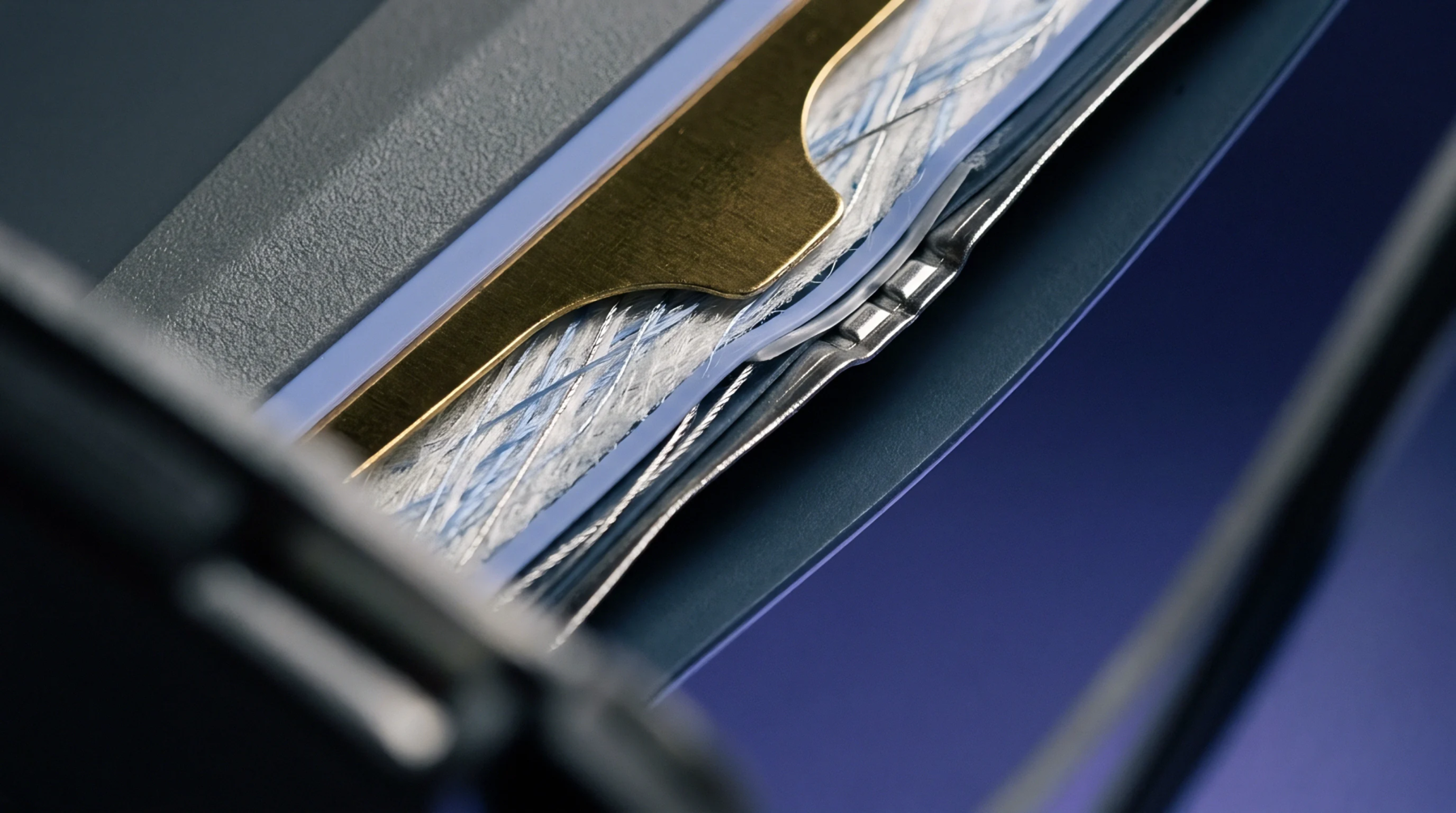
Intermetallic metallurgical compounds occurring within the copper-aluminium binary system exhibit distinct crystal structures and stoichiometry depending on localized thermal history and elemental ratios. Within battery tab and busbar joining zones, gamma phase Cu9Al4 forms at elevated temperatures when molten copper and aluminium mix with excessive copper concentration. This cubic intermetallic phase displays high hardness and extreme brittleness, making joint boundaries prone to microcracking under mechanical vibration.
The compound exists exclusively within copper-rich diffusion zones of bimetallic joints and does not describe parent base metals or aluminium-rich phases that solidify under alternate thermodynamic paths.
Phase Formation
Solidification kinetics during laser welding or high-energy ultrasonic bonding govern the formation sequence of intermetallic layers at copper and aluminium interfaces. When local interface temperatures exceed five hundred degrees Celsius, interdiffusion between copper current collector foils and aluminium terminal busbars accelerates rapidly. High thermal input provides the activation energy necessary for aluminium atoms to dissolve into the copper matrix, precipitating gamma phase Cu9Al4 alongside companion phases.
Cooling rates determine whether this compound crystallizes into continuous intergranular bands or isolated particulate dispersions. Continuous planar bands produce localized stress concentrations during subsequent handling, whereas dispersed micro-scale particles exert far less influence over bond cohesion. Controlling laser energy pulses, beam wobble parameters, clamping pressure, and heat sinking geometries prevents melt pools from remaining at high intermetallic formation temperatures.
Rapid thermal extraction limits diffusion time, arresting the growth of wide continuous intermetallic bands across the weld seam.
Mechanical Fragility
Microhardness values of this copper-rich intermetallic phase exceed five hundred Vickers, contrasting sharply with the ductile parent metals. Differential thermal expansion between gamma phase Cu9Al4 and the surrounding matrix generates significant shear stress during charge-discharge thermal fluctuations. Joint failure proceeds by cleavage fracture along intermetallic boundaries when subjected to mechanical shock or pack vibration.
High electrical resistivity across the compound layer also increases joint impedance, generating localized resistance heating during continuous battery pack discharge.
Ultrasonic Verification
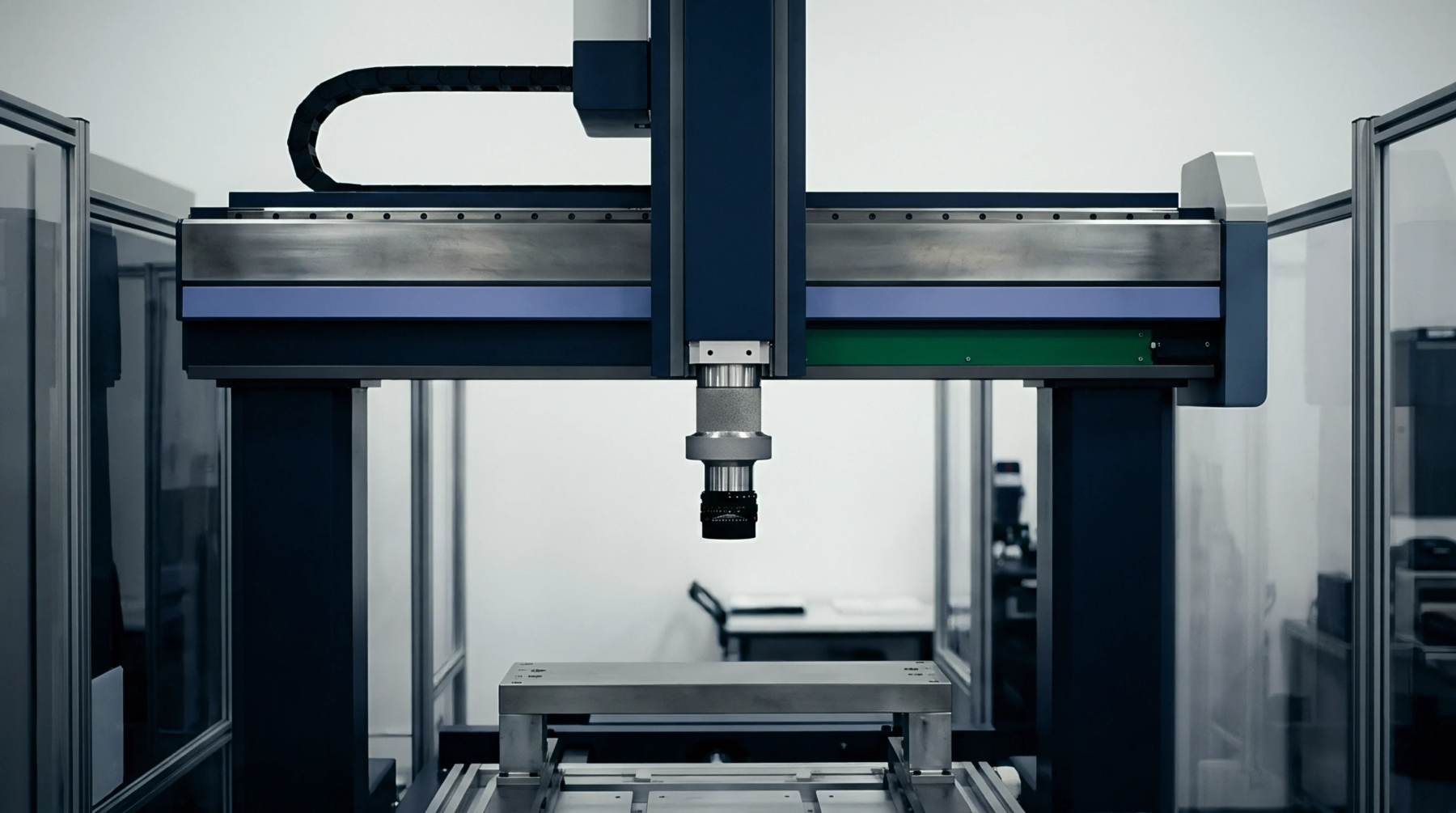
Nondestructive inspection protocols detect intermetallic thickening through acoustic impedance mismatches and ultrasonic signal attenuation across weld interfaces. Specialized high-frequency transducer arrays identify defective tab connections before battery module assembly. Shear wave velocity shifts reveal brittle interface zones that fail destructive peel testing.
Cell packaging audits mandate precise weld cross-section polishing and electron microscopy to confirm intermetallic compound thicknesses remain below critical failure thresholds.