Meaning
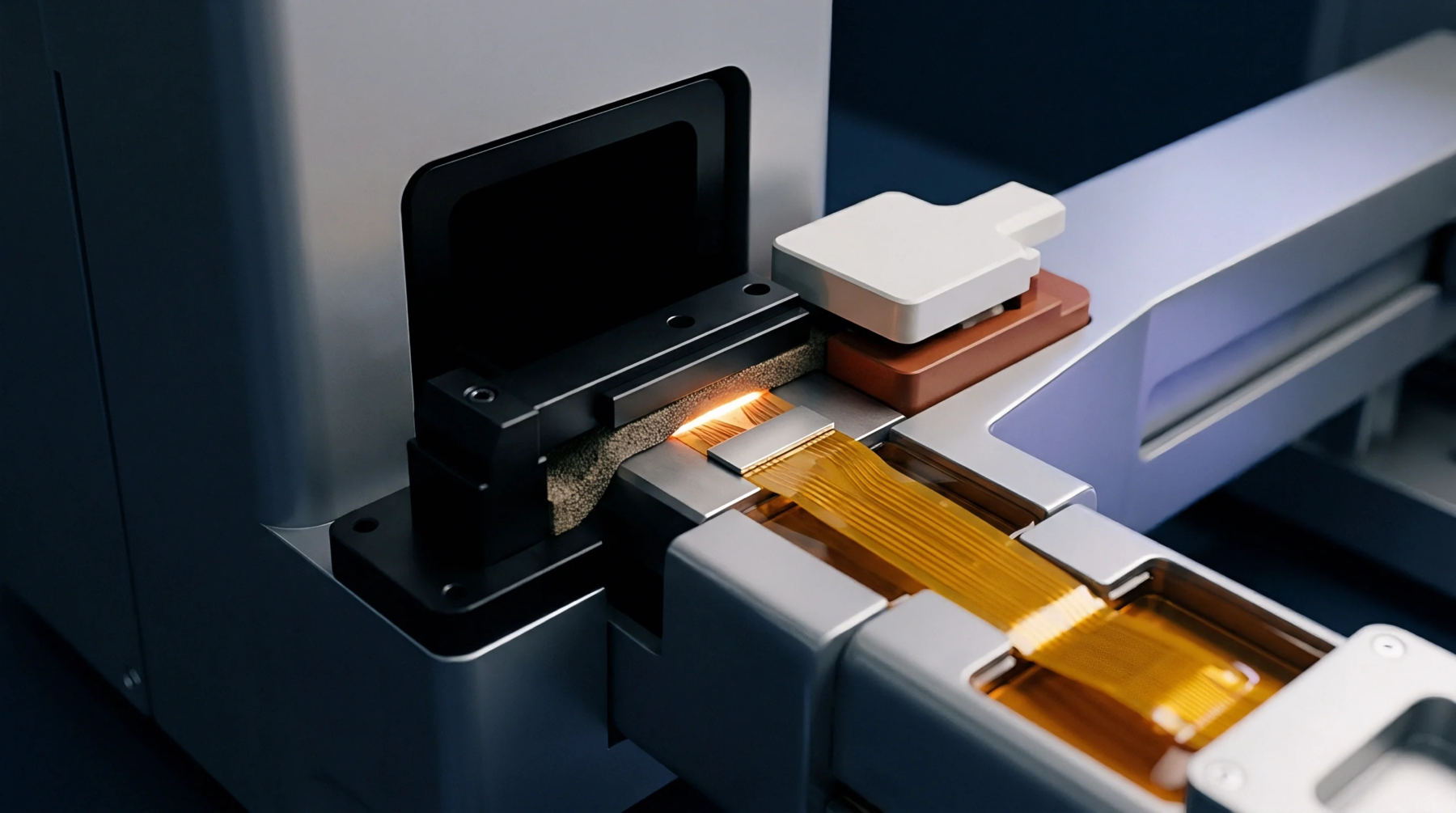
Flexible heating components provide targeted thermal energy in applications where space is limited and weight must be minimized. A kapton etched foil heater utilizes a precise resistive pattern to convert electrical energy into heat across a flat surface. These units are frequently bonded directly to battery cells or enclosures to maintain temperature stability in harsh environments.
Material Construction
The device is built using a polyimide base known for its high dielectric strength and resistance to extreme temperatures. Manufacturers create a kapton etched foil by laminating a metal alloy, such as Inconel or Cupro-nickel, to the film and then removing unwanted metal through a chemical etching process. This allows for complex circuit designs that can distribute heat evenly or concentrate it in specific zones.
The finished circuit is then covered with a second layer of polyimide for electrical insulation.
Thermal Application
Direct bonding to a surface ensures efficient heat transfer through conduction. Using kapton etched foil allows for rapid temperature response times because the low thermal mass of the heater does not store substantial energy. This makes the component ideal for aerospace and automotive battery packs where precise control is necessary to prevent cold-soak issues.
Geometric Flexibility
Geometric flexibility allows the thin profile of the heater to wrap around curved surfaces or fit into narrow gaps between cells. Because a kapton etched foil is pliable, it can survive the vibrations and mechanical stresses found in mobile equipment.