Meaning
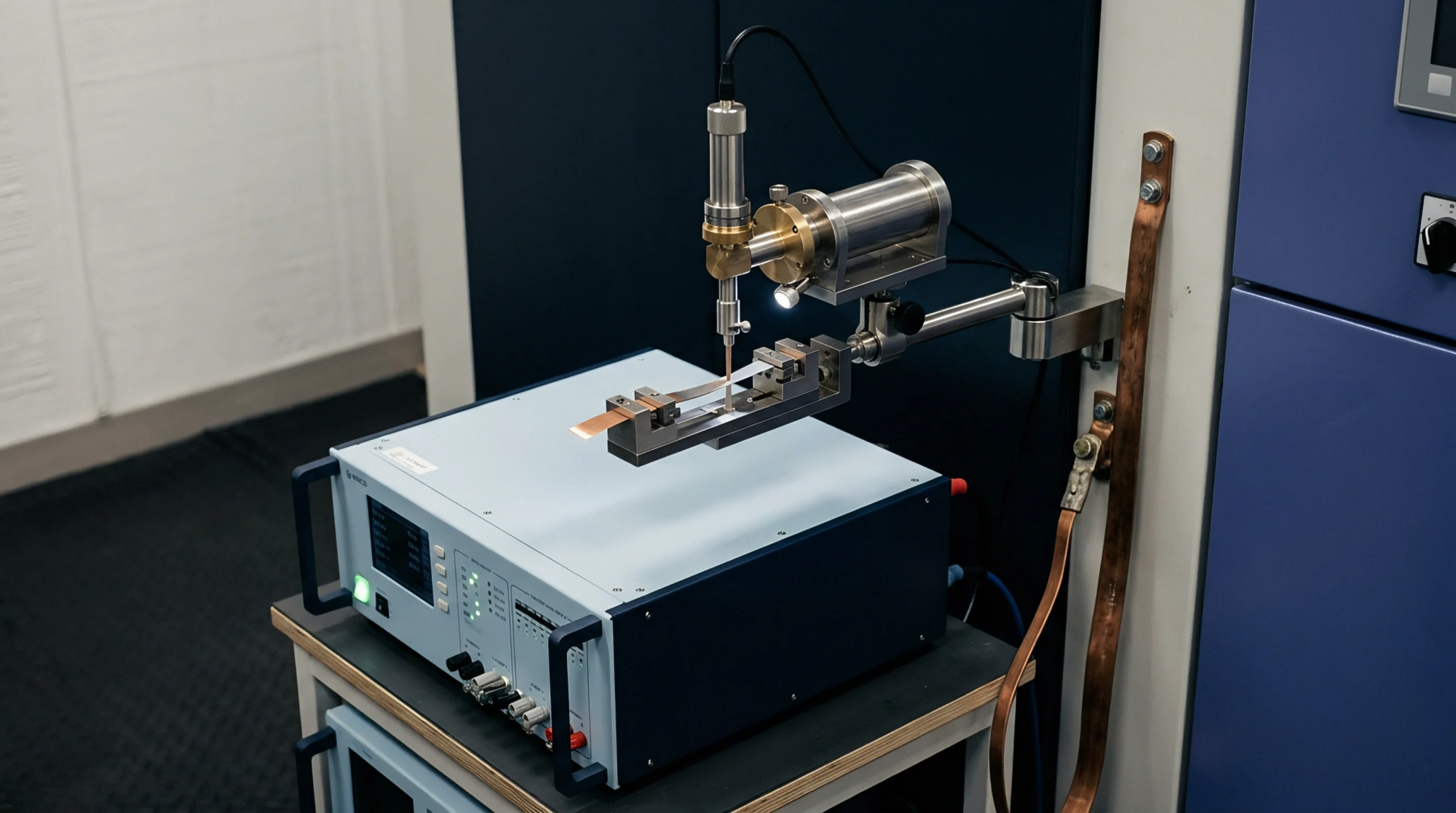
Metal alloy resistor constructed with copper-manganese-nickel offers a stable electrical resistance across a wide temperature range for high-current measurements. The manganin shunt is placed in series with the battery pack to measure current by monitoring the voltage drop across it. It is the primary reference sensor for tracking energy flow in and out of the battery.
Thermal Stability
Resistance change in the alloy is negligible across the typical operating temperatures of a battery pack, which is from sub-zero to eighty degrees Celsius. This stability ensures that current measurements remain accurate without requiring complex real-time temperature correction. It prevents the sensor from drifting during high-current fast charging.
Voltage Sensing
Kelvin terminals attached directly to the resistance element allow precise voltage measurement without including the contact resistance of the high-current terminals. This four-wire setup eliminates errors caused by the connection bolts loosening or oxidizing over time. It is crucial for resolving microsecond-level current pulses.
Structural Robustness
Brazing the alloy element to heavy copper terminals ensures that the shunt can handle continuous high currents without overheating. The metal assembly resists the thermal shock and mechanical vibration experienced in automotive battery compartments. This robust construction guarantees that the shunt maintains its calibration for the entire lifetime of the vehicle, reducing the need for costly field service or sensor replacement.
It acts as a reliable fail-safe that cannot be easily damaged by transient overcurrent events or short circuits.