
Importer Compliance Verification for Lithium Battery Transport Testing Schedules
Verify UN 38.3 test summaries against accredited lab databases and audit physical batch metrics at receiving to prevent demurrage and cargo seizure.
Verify UN 38.3 test summaries against accredited lab databases and audit physical batch metrics at receiving to prevent demurrage and cargo seizure.

Automated off-gas false positives trigger terminal hazmat quarantines, shifting demurrage and testing liabilities to cargo owners unless contractual riders preempt tariff liens.
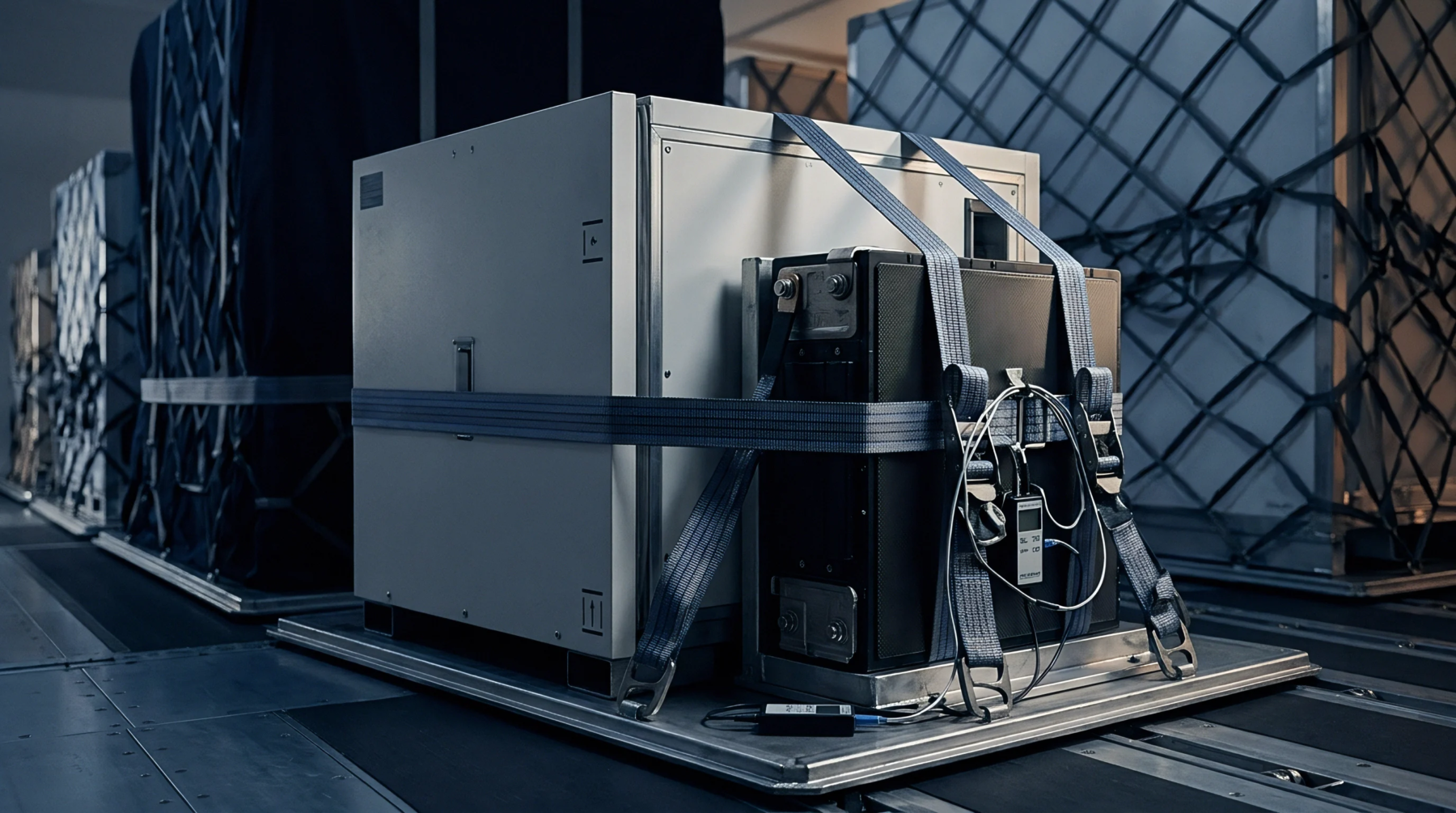
Aligning HS classification codes with UN dangerous goods labeling prevents customs holds, duty penalties, and carrier rejections for battery imports.

Air freight clearance for lithium batteries demands a fully compliant UN 38.3 test summary matching cell serials, state of charge, and IATA packing rules.

Align UN 38.3 test summary model numbers, watt-hour ratings, and test editions with carrier booking forms to prevent cargo rejection and terminal demurrage fees.

Validating UN 38.3 transport test summaries requires verifying ten specific data fields against accredited laboratory reports before cargo tender.

Verify UN 38.3.5 summary authenticity and lab ISO 17025 scope before tendering battery cargo to prevent customs seizure and catastrophic demurrage.
Dangerous goods demurrage escalates exponentially; transferring holds to off-dock bonded hazmat yards stops terminal fees and protects landed margins.

Verify air cargo cell charge limits below 30 percent using rested open-circuit voltage lookups or bench discharges backed by signed UN 38.3 test records.

Mandatory UN 38.3 test summaries must link cell serial numbers to verified lab results across ten required data fields before cargo enters transport networks.

Uncertified cell freight moves legally under Special Provision exemptions; contract terms must shift dangerous goods declaration liabilities to origin shippers.

Buyers secure full indemnification and third-party laboratory verification before accepting lithium transport summaries to prevent impoundment liabilities.

Standard operating procedures for dangerous goods document audits require rigorous verification of UN 38.3 parameters, SDS details, and modal rules to ensure cargo compliance.

Dynamic fast charging below zero degrees requires real-time overpotential feedback control to prevent lithium plating and maintain safety certification validity.

Verify all ten UN 38.3.5 data elements against physical product markings, laboratory accreditations, and exact energy ratings before releasing battery cargo.

Verify UN 38.3.5 test summary lab accreditation, physical model metrics, and 30 percent SOC limits prior to air cargo tendering to avoid stranded shipments.

Non-compliant lithium cell transport certification exposes importers of record to strict regulatory fines, cargo detention costs, and unindemnified marine insurance losses.

UN 38.3 test summary audits require verifying ten mandatory 38.3.5 elements against ISO 17025 lab scope data to prevent carrier dock rejections.

Verify UN 38.3 test summaries and state-of-charge limits before signing dangerous goods manifest declarations to prevent port seizures and cargo holds.

Surviving a customs safety inspection requires exact alignment between Section 3 composition, Section 9 physical properties, and Section 14 transport codes.
Expertise is a utility, not a secret. sentiention™ publishes its working knowledge as open reference: intelligence layer covering the materials it sources, the markets it enters, and the reference that serves both.