Meaning
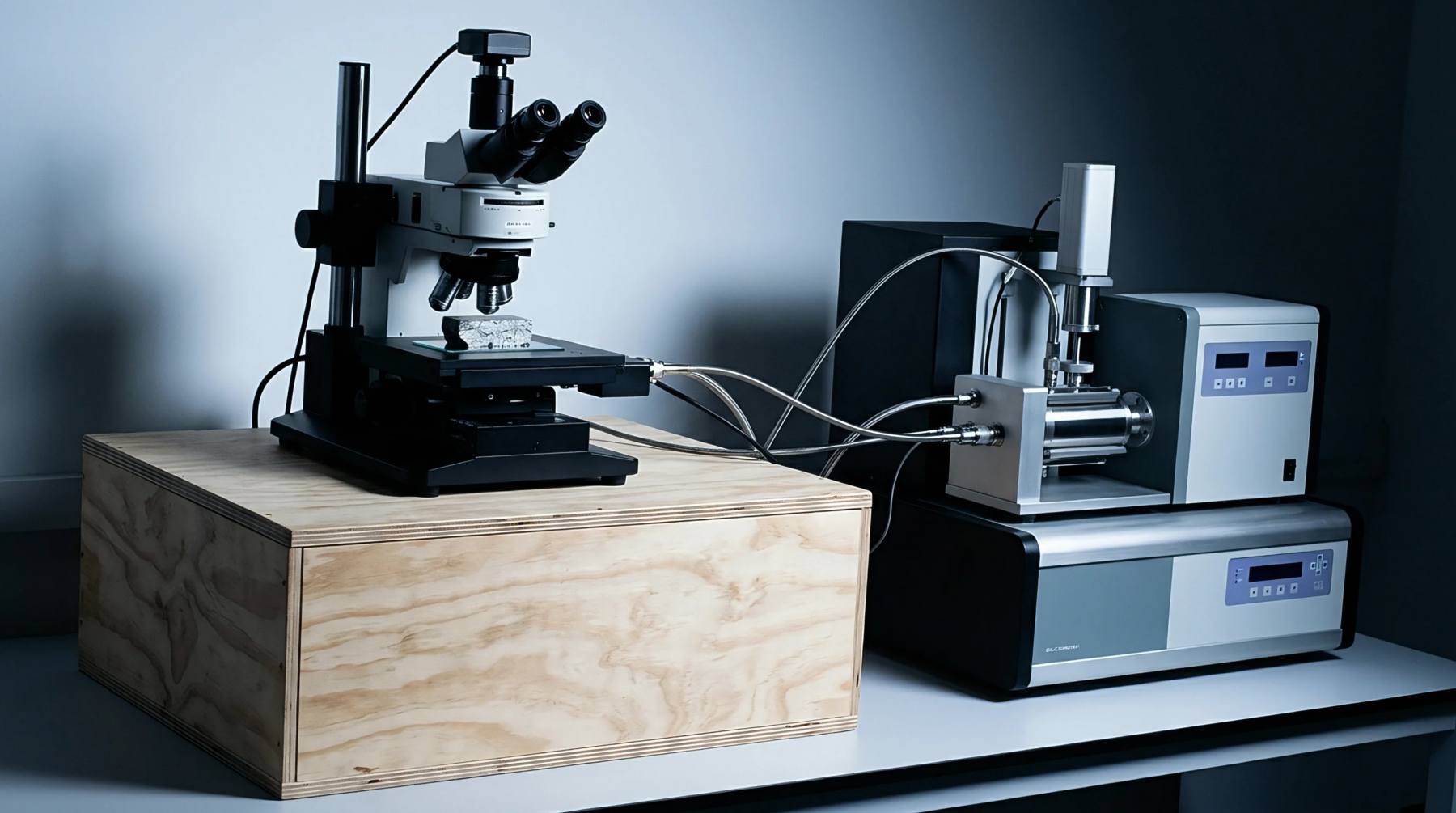
An electronic instrument performs precise spectral analysis on light signals exiting an optical component to determine shift patterns caused by physical or environmental stimuli. A photonic integrated circuit interrogator translates these optical variations into digital data for real time monitoring of strain, pressure, or temperature across a compact silicon substrate.
Signal Processing
Processing functions within the hardware extract specific wavelengths from returned laser pulses that correspond to Bragg grating reflections. The device uses high speed digital signal processors to convert raw phase information into calibrated physical units. Automated routines adjust for baseline drift or thermal expansion in the optical path to maintain accuracy.
Measurement Accuracy
Calibration protocols for the instrument rely on internal reference gases or stable optical combs to verify wavelength precision. Such setups determine the absolute variance between the measured peak and the actual physical condition of the sensed environment. Stability in the laser source determines the resolution limit of the entire sensing array.
Market Application
Production environments utilize the output to validate the performance of silicon photonics wafers during final testing sequences. Purchasing decisions hinge upon the sampling rate and the signal to noise ratio required for specific structural health monitoring tasks. Higher resolution hardware costs more but allows for finer detection of microstrain fluctuations in aerospace components.