Meaning
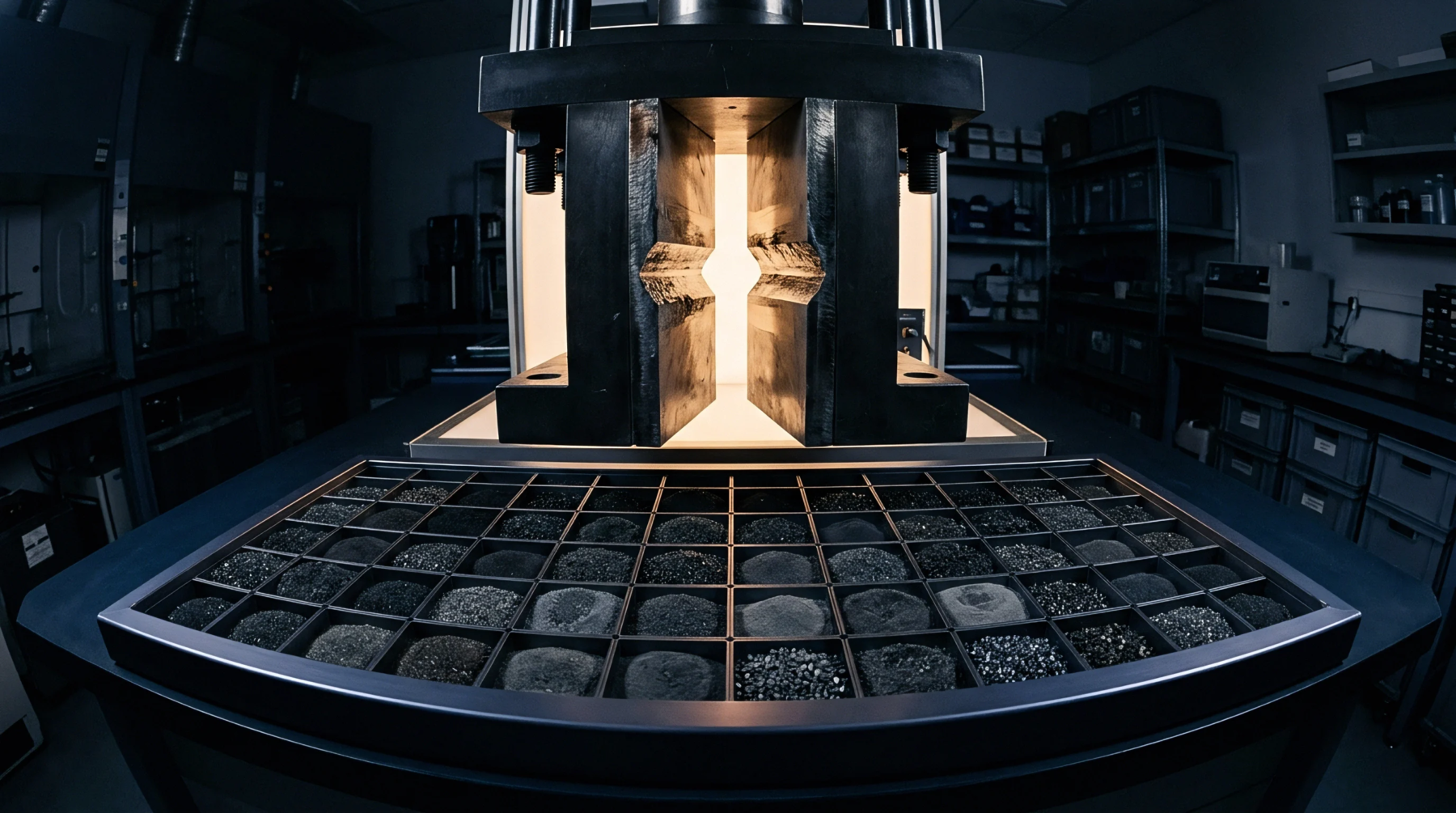
Discontinuous fluid boundaries formed by supersonic flow compression in a nozzle or conduit create distinct wave patterns that alter fluid speed and density. Analyzing the shock wave structure in an atomizer gas stream is essential to prevent backpressure from disrupting metal flow. These pressure waves can either assist or hinder the primary breakup of the liquid metal depending on their location.
Engineers use optical diagnostics like Schlieren imaging to visualize these structures.
Pressure Gradient
Compression waves of high intensity create a sudden increase in pressure and density across the shock front. This localized pressure increase can generate a recirculating flow region that draws molten metal toward the nozzle surface. Managing the strength of the shock wave prevents this harmful recirculation.
Velocity Drop
Supersonic gas flow experiences a rapid deceleration to subsonic speed when passing through a normal shock wave. This drop in kinetic energy reduces the gas’s ability to disintegrate the liquid metal stream. Position of the shock wave must be carefully controlled by adjusting the nozzle operating pressure.
Separation Dynamics
Boundary layer separation occurs when a strong shock wave interacts with the nozzle wall or delivery tube surface. This separation can cause flow instability and asymmetry in the atomisation jet. Designing the nozzle geometry to minimize these interactions ensures a stable and symmetric spray pattern.