Meaning
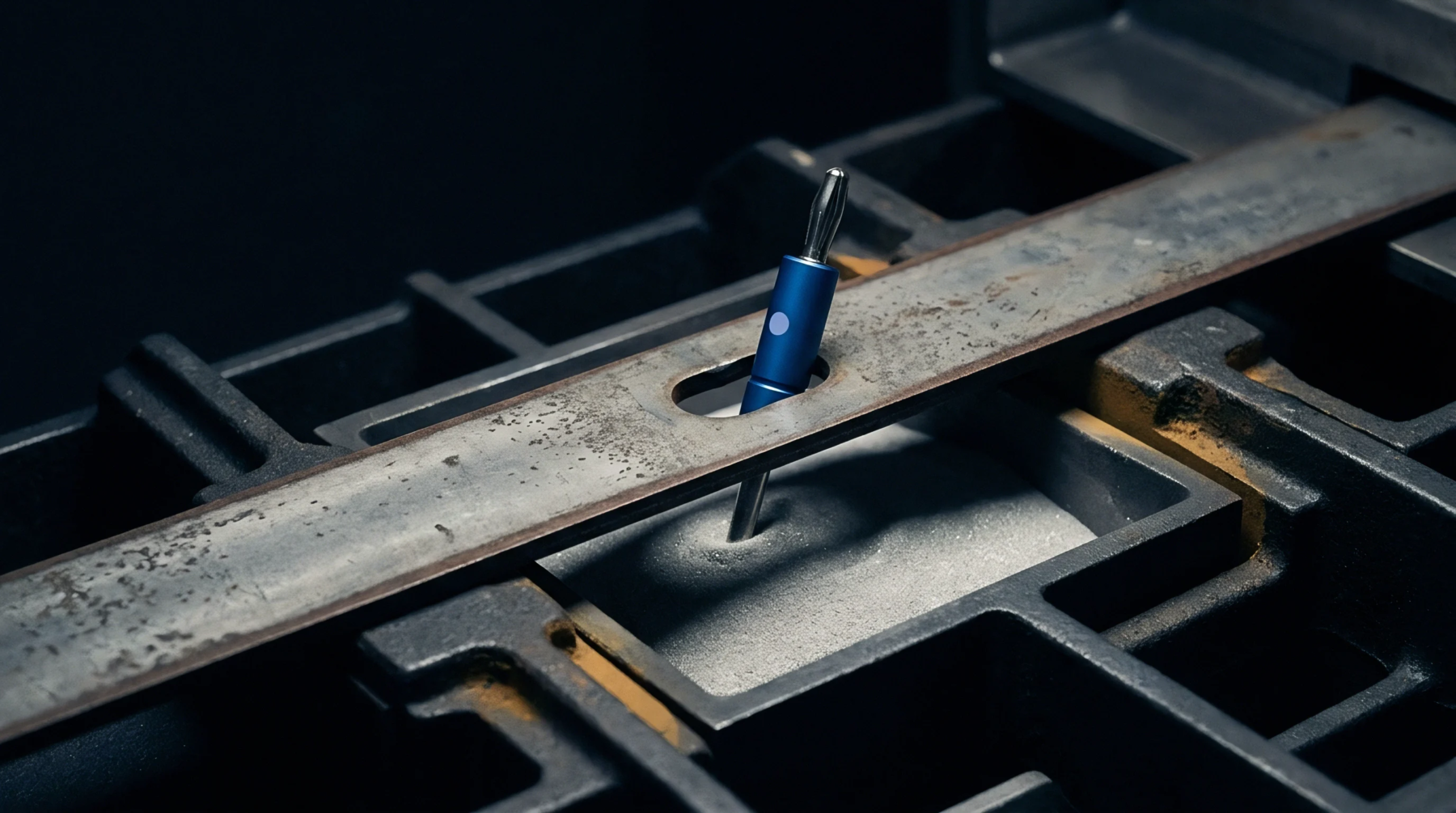
Vertical distance measurements quantify how far an electrode pin or connector lead extends beyond the primary housing or seal plane of a battery cell. This tip protrusion depth identifies the spatial clearance available for physical contact with external interconnects or busbars within a module assembly. Excess length creates potential for internal shorts if the component deforms under pressure, while insufficient length prevents reliable electrical connectivity during high current cycles.
Assembly Tolerance
Manufacturers regulate this dimension to ensure uniform compression of gaskets during the stacking process. Precise control prevents mechanical stress from fracturing the terminal seal when the lid plates attach to the casing. Operators use automated laser gauging to confirm that every pin remains within the nominal range required for stable output across the entire array.
Interface Integrity
Stable contact surfaces depend on the protrusion being consistent across all cells to maintain even pressure against common busbars. Variations in this specific value lead to localized heating at the connection interface because high resistance develops where contact forces remain weak. Correct alignment ensures the long-term reliability of the electrical connection throughout the operating life of the pack.
Measurement Protocol
Technicians calibrate the measurement tools against a reference block that simulates the ideal casing plane to eliminate baseline drift. Software filters the resulting data to remove noise caused by surface roughness or microscopic material burrs on the pin surface. Reliable verification of this metric ensures the integrity of the power path remains intact under heavy thermal expansion and contraction cycles.