Meaning
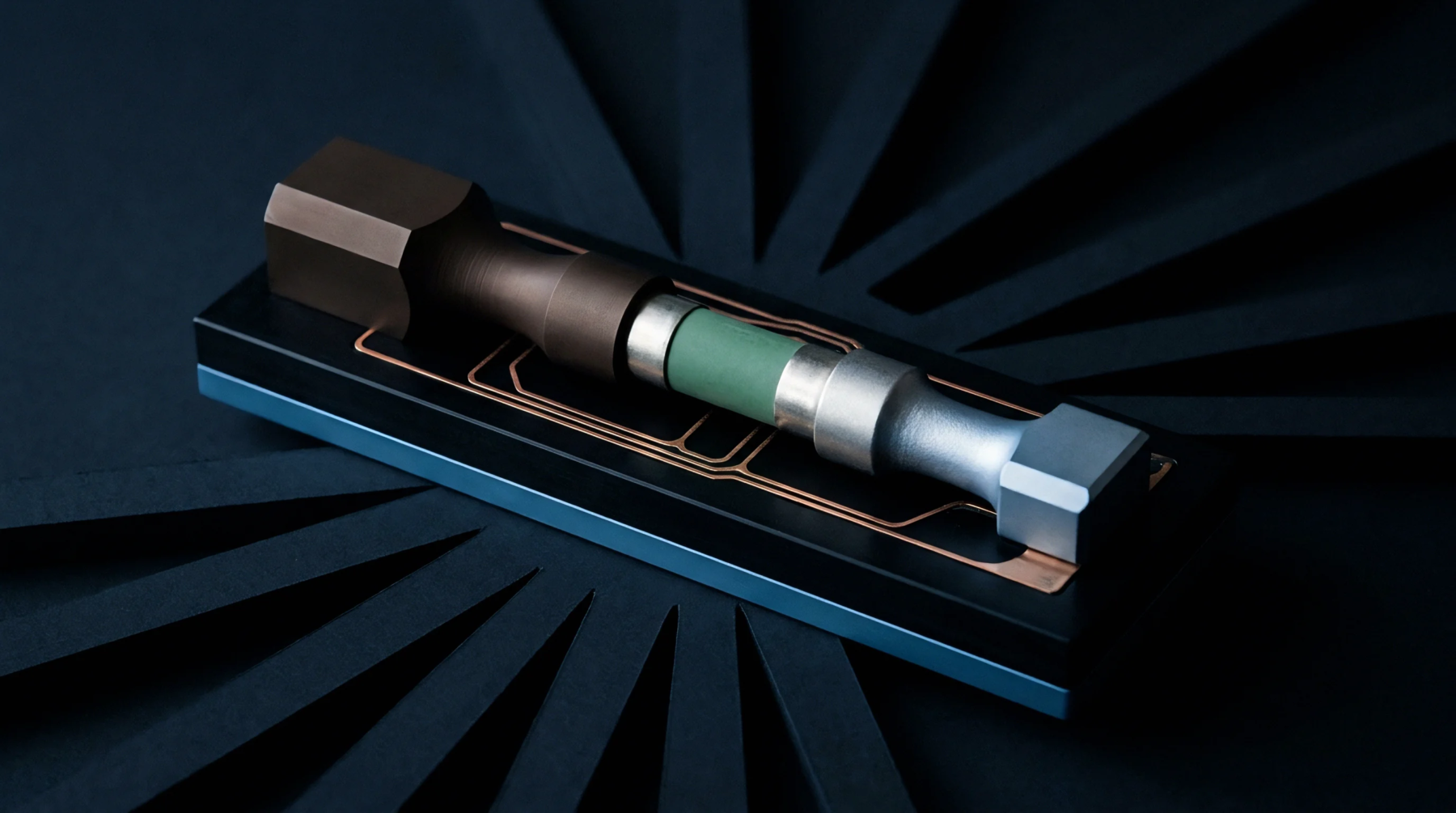
Progressive thinning of cylindrical container side walls between an internal punch and external reduction rings increases can height while leaving base thickness unchanged. High compressive deformation during wall ironing produces thin, uniform sidewalls in nickel-plated steel battery housings, optimizing internal cell volume and volumetric energy density. The process forces metal to flow axially under high contact pressure while smoothing surface micro-geometry and improving wall gauge uniformity.
High-speed multi-stage press stations execute consecutive ironing reductions to achieve final housing dimensions without material tearing.
Thickness Reduction
Sequential reduction rings decrease wall thickness by up to forty percent in a single press stroke.
Surface Finish
Extremely high interface pressures polish outer container surfaces while stretching internal nickel plating layers. Efficient liquid coolant and lubricant application during wall ironing flushes metal particles and suppresses thermal buildup generated by severe plastic deformation. Effective surface lubrication prevents galling and plating transfer onto carbide die surfaces, extending tool life across continuous production runs.
Structural Efficiency
Differential thickness profiles created by wall ironing concentrate structural material at the cell base while minimizing sidewall weight. Thicker base metal withstands internal pressure caps and bottom safety vent burst forces, whereas thin sidewalls maximize internal electrode loading space. Precision ironing alignment maintains uniform circumferential wall thickness, preventing localized weakness during pressure cycling.