Meaning
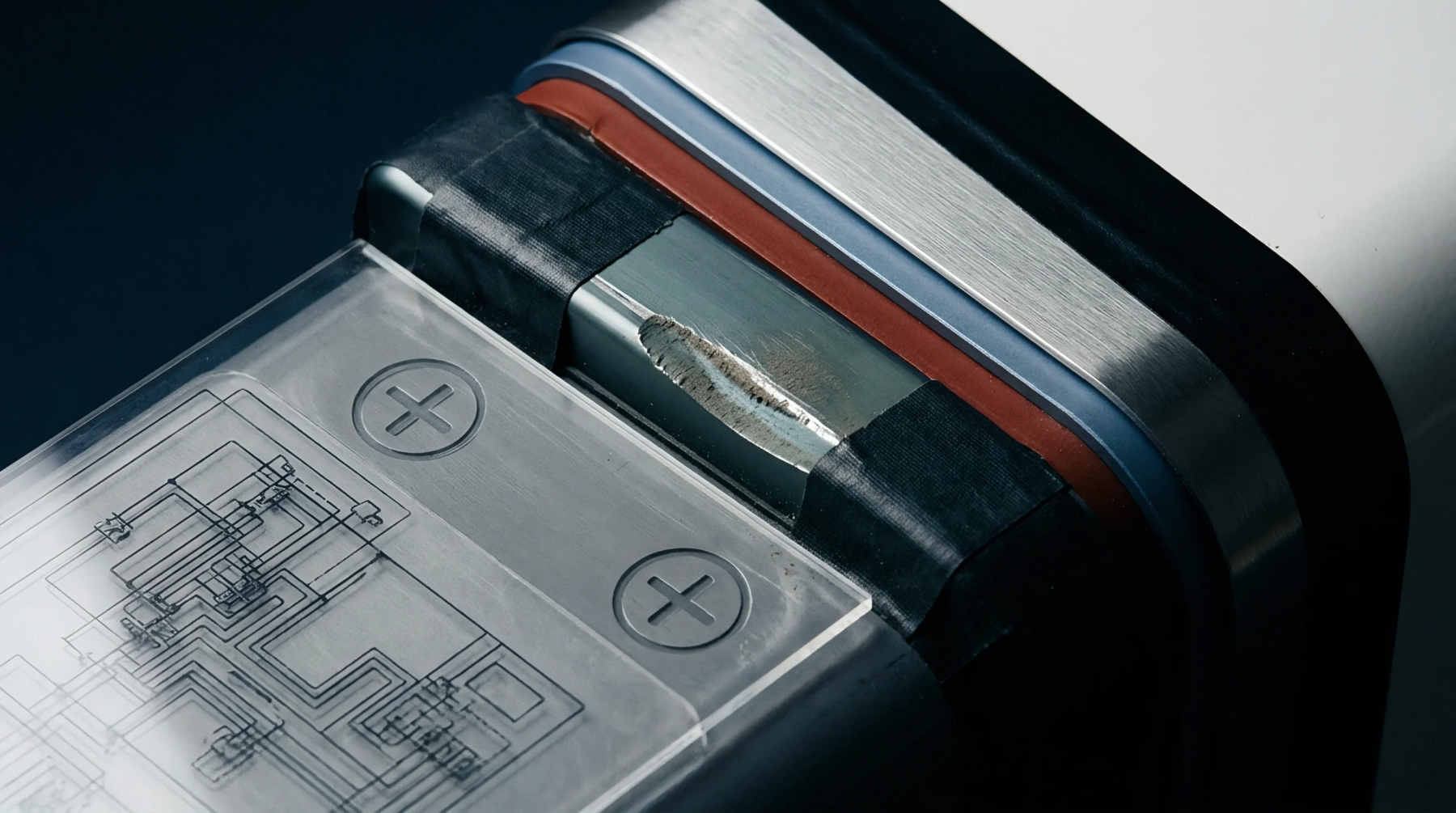
Frictional wear on fluid delivery surfaces represents a major failure mode in high-throughput electrode production lines. This mechanical degradation, known as active material slurry abrasion, occurs when hard electrochemically active ceramic particles scrape against the internal walls of slot dies and pump impellers during slurry transfer. The high shear rates required for uniform coating accelerate the erosion of metal surfaces.
Material Impact
Hard transition metal oxides act as microscopic grinding agents against processing machinery. The severity of active material slurry abrasion depends on the hardness of the particles and the angle of fluid impact. Low-cobalt chemistries with high nickel content often show higher friction characteristics than traditional formulations.
Hardened coatings are needed on contact parts.
System Lifecycle
Industrial pumps and delivery valves suffer severe direct degradation when carrying high-solid mixtures. Regular dimensional checks of the slot die lip prevent coating weight distribution errors caused by active material slurry abrasion over time. Unscheduled downtime arises if abrasion degrades the internal tolerances beyond critical limits.
Monitoring pressure drops provides early warnings.
Operational Response
Selecting diamond-like carbon or tungsten carbide surface finishes extends the operational lifespan of high-wear components. This adjustment reduces active material slurry abrasion by establishing a high-hardness boundary layer that resists gouging. Plant operators use these protective materials to maintain consistent extrusion geometry during long production runs.