Meaning
Material consolidation technology that constructs three dimensional components directly from digital model data through successive layer deposition. Industrial additive manufacturing produces specialized battery cell components, structural busbars, conformal cooling channels and stamping die tooling without subtractive machining constraints. The operational scope covers powder bed fusion, binder jetting and direct energy deposition, stopping before sheet lamination or conventional injection moulding.
Powder Consolidation
Powder bed fusion directs an electron beam or laser source across fine metallic particles to melt contiguous cross sections of copper, aluminium or nickel alloys. Pure copper processing requires high absorption green or blue laser wavelengths to prevent beam reflection and ensure high electrical conductivity in complex conductor geometries. Densification rates determine mechanical yield strength and thermal dissipation properties in the printed component.
Structural Complexity
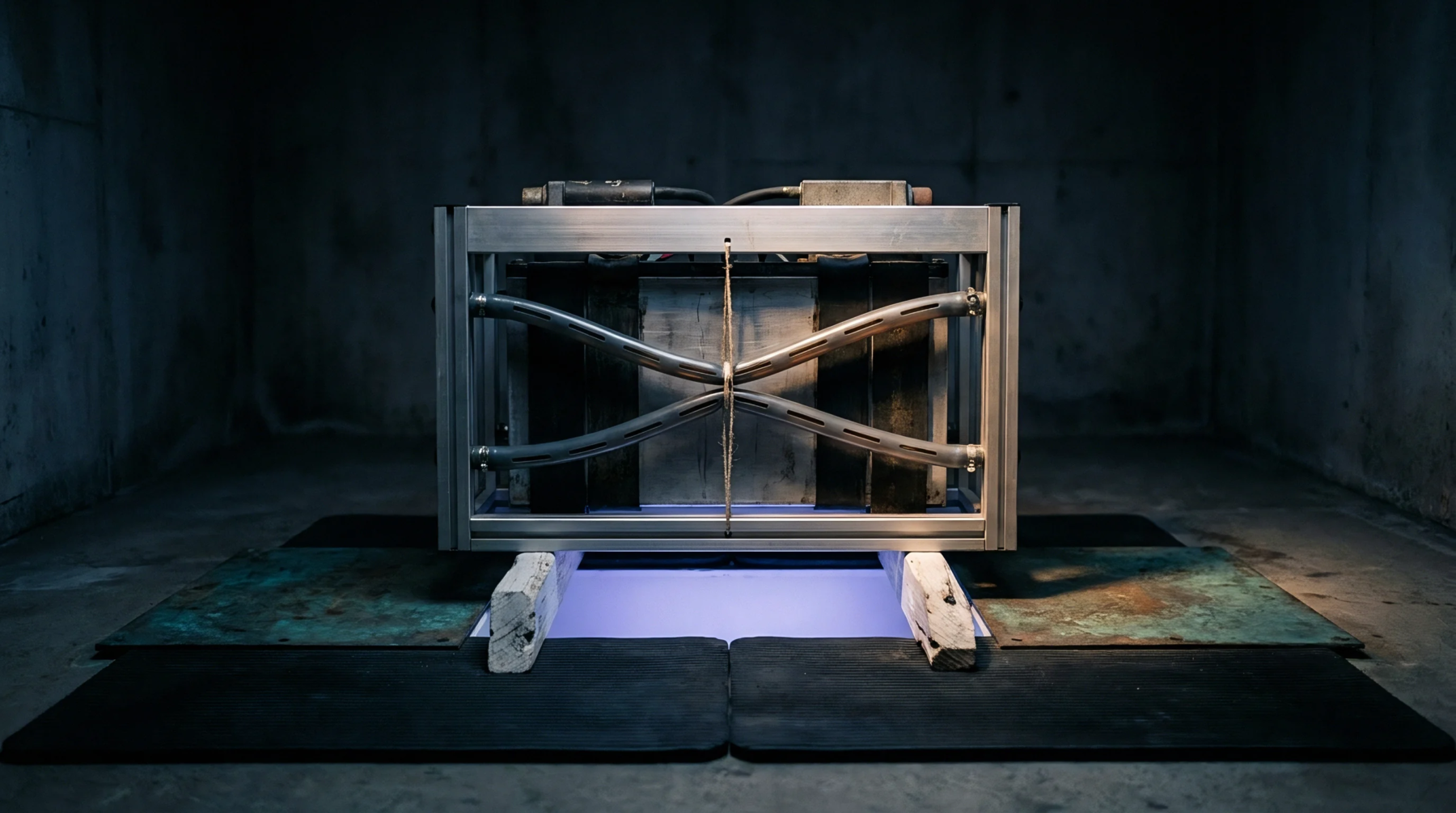
Electrochemical cell cooling jackets benefit from interior lattice matrices and complex hydraulic passages that conventional computer numerical control milling cannot clear. Using additive manufacturing allows flow distribution manifolds to match cell heat generation profiles across uneven packaging surfaces. Component mass drops because hollow wall structures maintain stiffness while eliminating unnecessary bulk material.
Tooling Integration
Stamping dies and extrusion nozzles manufactured by selective laser melting incorporate internal passages positioned precisely beneath high friction wear surfaces. Rapid cooling reduces injection moulding cycle times for cell holders and terminal seals while increasing thermal uniformity across the mould face. Finished parts require secondary hot isostatic pressing and surface milling to eliminate residual porosity before installation in commercial battery production equipment.