Meaning
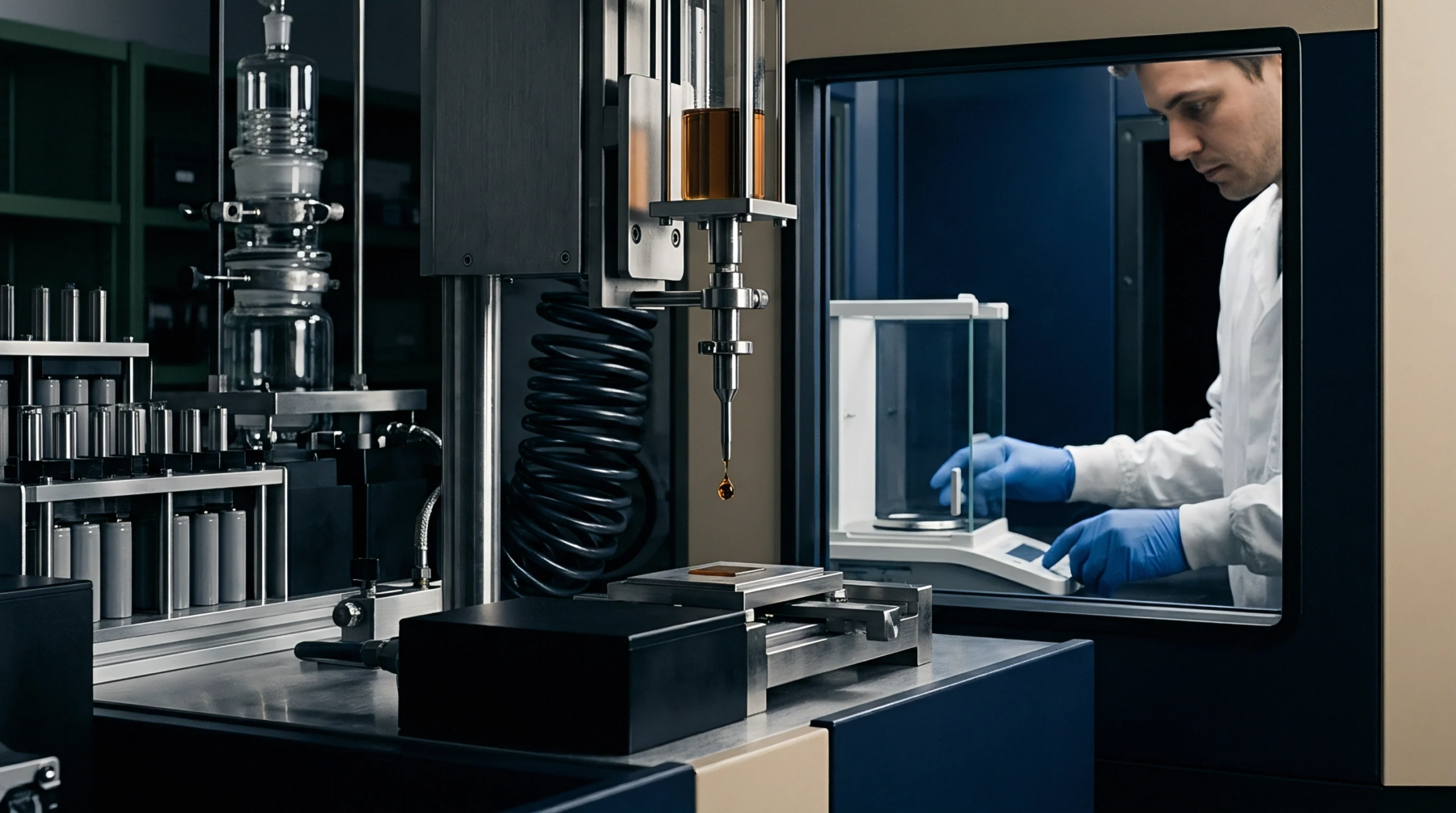
Degradation of material surfaces occurs when high-velocity abrasive particles strike a substrate, a phenomenon frequently observed during the processing and dispensing of filled thermal interface materials. The process of alumina particle erosion primarily affects dispensing nozzles and mixing chambers where ceramic-filled materials are pumped under pressure. This wear alters the internal geometry of fluid paths over time, causing flow characteristics to shift.
Such change leads to volumetric inaccuracies in dispensing systems, which compromises the thermal management of assembled electronic devices. It occurs because the hard ceramic particles used to provide thermal conductivity also act as an abrasive medium when forced through narrow orifices.
Wear Mechanism
Abrasive action depends on the hardness, velocity, and impact angle of the entrained ceramic filler. High-speed fluid flow forces these hard particles against metal walls, cutting micro-grooves and fracturing the surface matrix. This progressive removal of material increases with fluid pressure and flow rate.
Soft metals suffer rapid degradation under these conditions.
System Vulnerability
Dispensing equipment used for silicone-based gap fillers often employs tungsten carbide or hardened steel to withstand these abrasive forces. Components like needle tips and rotary valves experience localized high shear where wear is concentrated. This degradation increases the effective nozzle diameter, which decreases the pressure drop and changes the shape of the extruded bead.
Corrective maintenance is required when these dimensional tolerances are exceeded.
Mitigation Strategy
Selection of wear-resistant coatings and ceramic-friendly geometries prevents premature component failure. Diamond-like carbon coatings or solid ceramic fluid paths offer protection against abrasive slurries. System operators also reduce flow velocities or redesign flow paths to eliminate sharp turns where impacts concentrate.
These adjustments extend the operational lifetime of the dispensing assembly and maintain consistent volumetric output.