Meaning
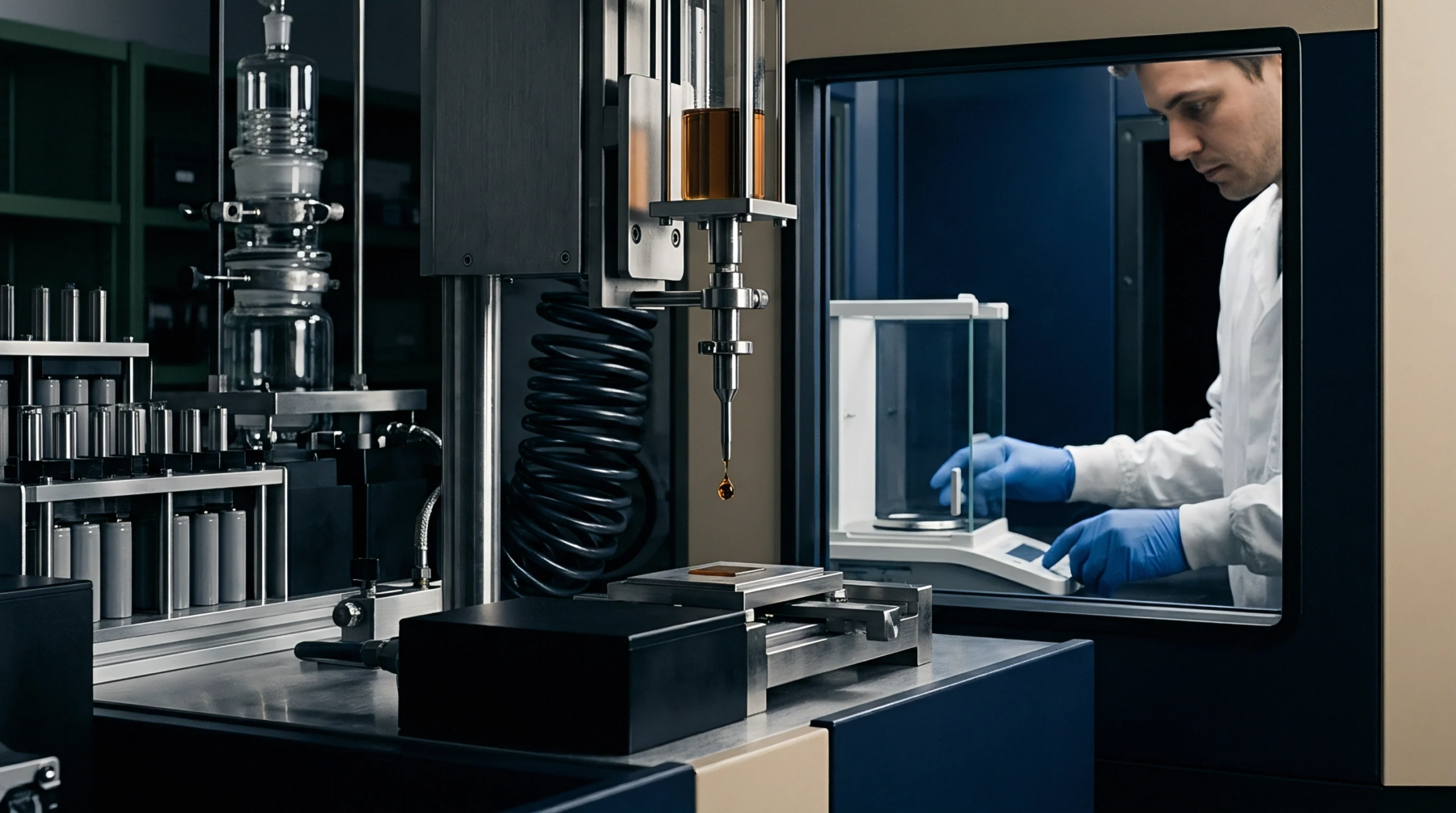
Manufacturing protocols for composite battery enclosures utilize a mechanical pressure sequence to distribute liquid resin through structural fibre reinforcements. This application of pressure, known as automated wet out compression, occurs within a closed mold to ensure that the liquid polymer fills every void in the dry fibre mat before curing begins. Liquid resins are pressed through the dry reinforcement, avoiding air pockets and dry spots.
The sequence stops applying pressure once the gel point of the resin is reached, as subsequent movement would disrupt the forming polymer network.
Mechanical Method
Hydraulic and electric presses execute the compression sequence by following precise velocity and force profiles. During automated wet out compression, the upper tool descends at a high velocity until it nears the resin-covered fabric, then slows to a controlled squeeze rate. The slow rate allows the high-viscosity liquid to displace air and flow horizontally without displacing the structural fibres.
Transducers monitor the fluid pressure inside the cavity to prevent excess force from squeezing out too much resin. If the squeeze velocity is too high, the fibers can wash or shift, resulting in structurally weak zones in the finished battery lid. In contrast, too slow of a descent can allow the resin to cure before the dry zones are fully wetted.
Process Optimization
Resin viscosity and fiber permeability govern the duration of the cycle. In automated wet out compression, viscosity drops as temperature rises, but then rises sharply as cross-linking begins. Squeezing must occur during the low-viscosity window to avoid dry patches.
Precise monitoring of these thermal-rheological changes allows the system to adjust the press speed dynamically.
Production Impact
Cycle times in high-volume battery assembly demand rapid, repeatable polymer infusion that minimizes scrap. Implementing automated wet out compression reduces the cure-cycle time and guarantees consistent structural strength across thousands of cell-enclosure lids. Component mass remains within narrow tolerances because excess resin is prevented from accumulating.
This leads to lighter, more uniform protective structures for traction batteries.