Meaning
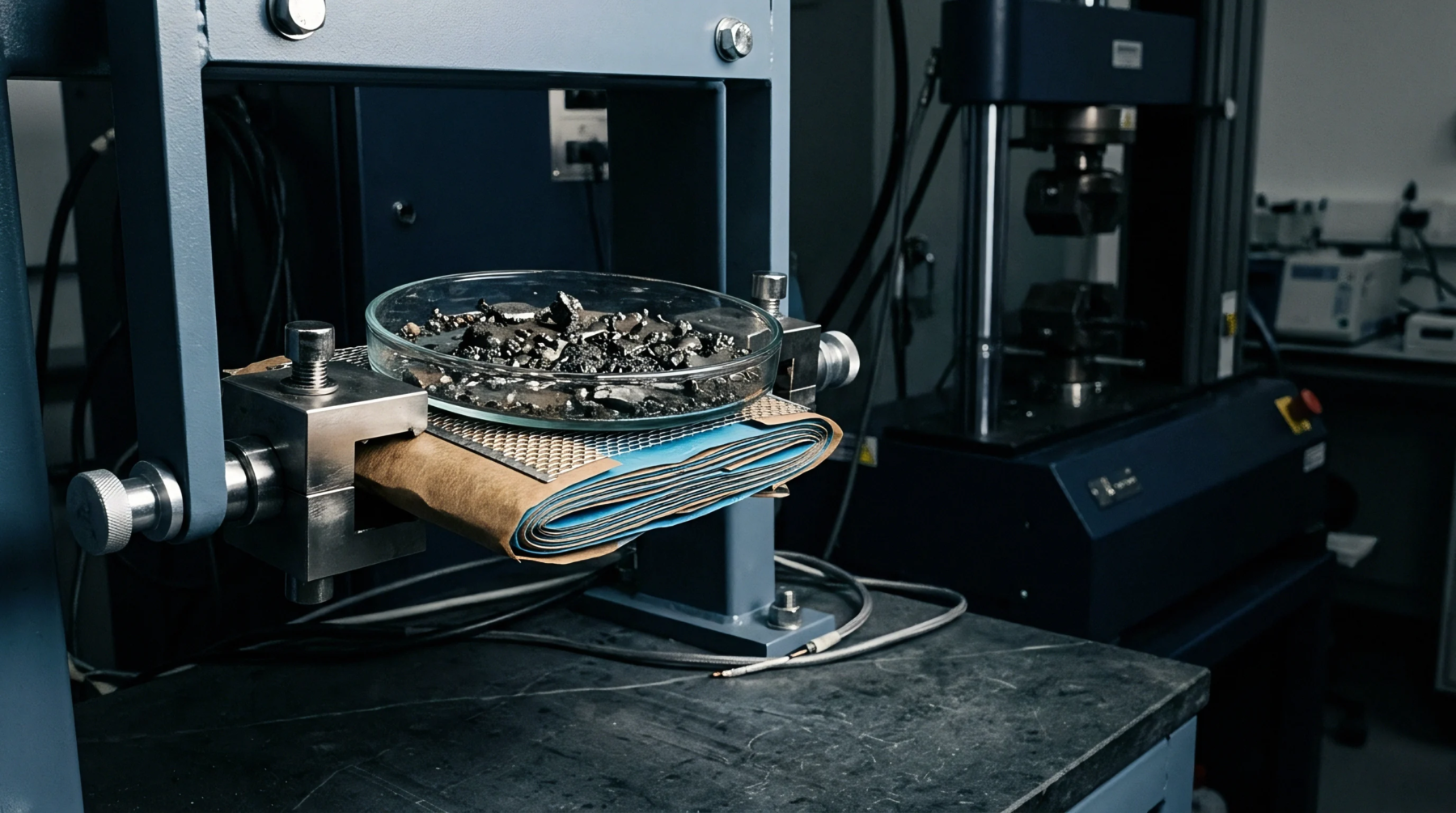
Mechanical processing step separating densified electrode materials from scrap foil wrappers during battery recycling workflows. Bag breakup governs material recovery efficiency by breaking sealed containment structures holding production scrap or end of life cells. This physical operation prevents shredders from jamming while ensuring the subsequent pyrolysis or hydrometallurgical stages receive uniformly sized feed material.
Boundary limitations restrict this definition to dry cell preparation lines prior to chemical leaching.
Mechanical Action
Rotary shredders or dual shaft crushers execute bag breakup through applied shear forces that tear external polymers without fracturing inner current collectors. Shear blades rotate at differential speeds to strip aluminum and copper foils away from enclosing pouch materials. Coarse output fractions drop directly onto vibrating screens for air classification.
Operators adjust torque limits continuously to prevent excessive fines generation.
Material Separation
Pneumatic suction ducts extract light plastic scraps immediately after bag breakup occurs inside the primary containment chamber. Heavy metallic components gravitate toward magnetic separators downstream while intermediate fractions proceed to eddy current sorting. Automated optical sensors detect residual packaging films mixed into black mass streams.
Vacuum cyclones capture airborne separator foils before dust collection units choke.
Throughput Economics
Energy consumption per metric ton processed during bag breakup dictates overall recycling line profitability. High contaminant loads increase blade wear rates and force unplanned maintenance shutdowns. Scrap dealers price baled pouch material according to expected shredding yield and foreign matter penalties.
Upstream sorting protocols directly govern the recovered purity of processed active cathode constituents.