Meaning
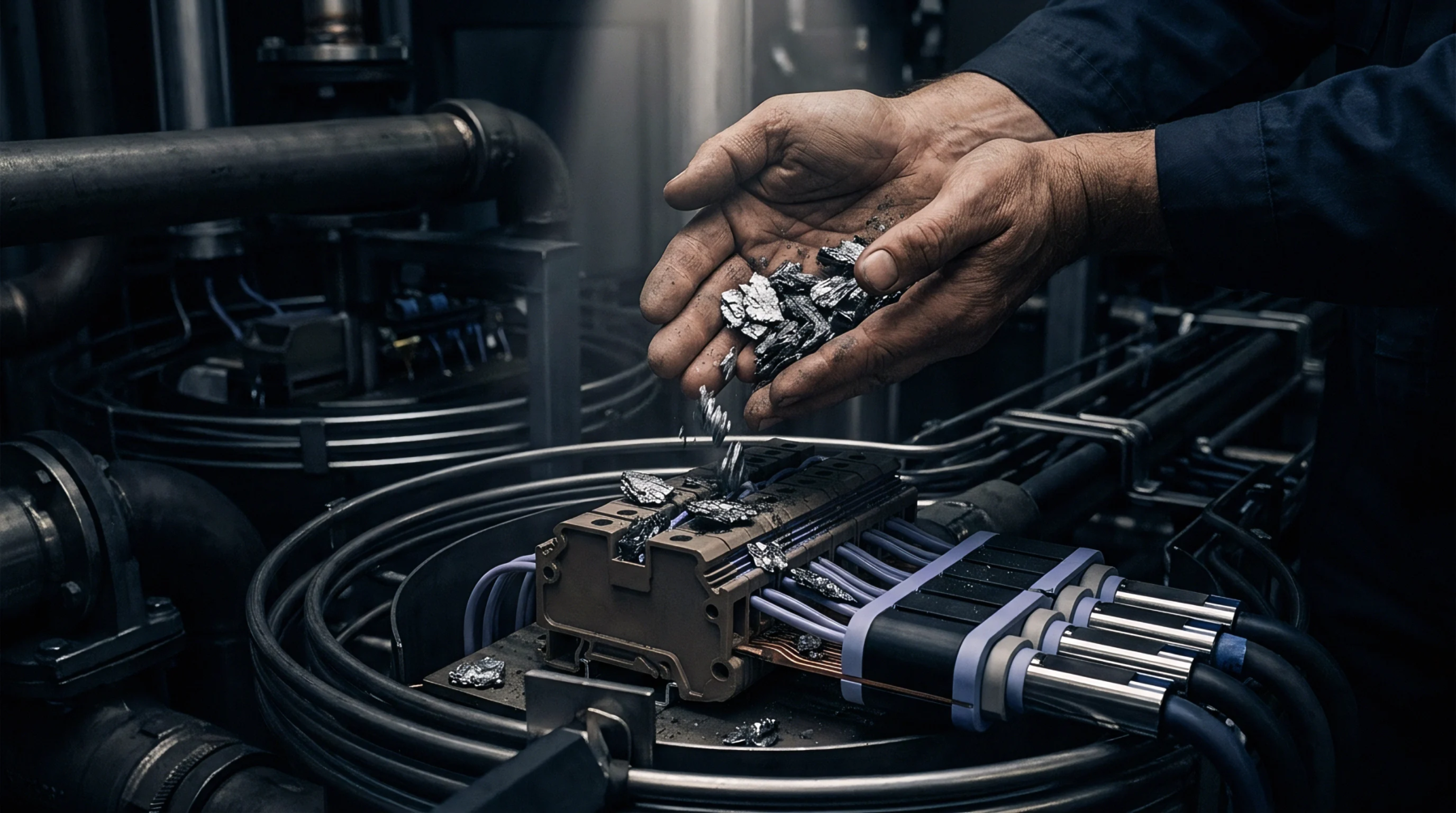
Molten metal containment hardware operating within advanced atomization lines requires a specialized hexagonal crystal structure component that withstands aggressive thermal shock without wetting or degrading. A boron nitride nozzle provides the chemical inertness and dimensional stability necessary for high temperature powder production where reactive alloys would otherwise dissolve standard refractory materials. Such components govern particle size distribution and melt stream geometry during centrifugal or gas assisted atomization runs.
Operations processing titanium or rare earth permanent magnet feedstock rely on this hardware because extreme chemical reduction potentials destroy conventional alumina or zirconia tips. The boundary of application is reached when continuous operating temperatures exceed eighteen hundred degrees Celsius in an oxidizing atmosphere, causing rapid volatilization of the matrix.
Thermal Resistance
Extreme temperature fluctuations challenge spray deposition equipment during rapid cycling between ambient startup phases and peak thermal loads. A boron nitride nozzle manages this severe environment through exceptional thermal conductivity that dissipates localized heat fast enough to prevent microcracking. Sintered bodies maintain high mechanical strength at elevated temperatures while possessing a low thermal expansion coefficient that accommodates rapid heating cycles without dimensional distortion.
Procurement teams evaluate this attribute by measuring retained hoop strength after repeated thermal quenching tests performed under inert atmospheres.
Chemical Inertness
Molten alloy purity dictates the ultimate performance of finished magnetic components and aerospace structural shapes. A boron nitride nozzle prevents chemical contamination of the liquid metal stream because the ceramic substrate does not react with molten aluminum or reactive rare earth elements. Non-wetting characteristics ensure that liquid metal flows smoothly through the orifice without clinging to the interior walls, eliminating flow anomalies that cause irregular droplet formation.
Commercial buyers specify high purity hot pressed grades containing minimal boric oxide binders to prevent moisture pickup during storage and subsequent outgassing during high vacuum processing.
Mechanical Durability
High velocity atomization gases create severe erosive forces that degrade spray orifices over extended production campaigns. A boron nitride nozzle resists particle wear despite its relatively soft pencil lead like feel, provided the machining tolerances and mounting fixtures prevent mechanical bending moments. Tight dimensional control of the inner bore diameter ensures consistent mass flow rates across multi-hour casting runs.
Factory acceptance protocols measure inner diameter enlargement after standardized abrasive slurry testing to establish expected service life before replacement is scheduled.