Meaning
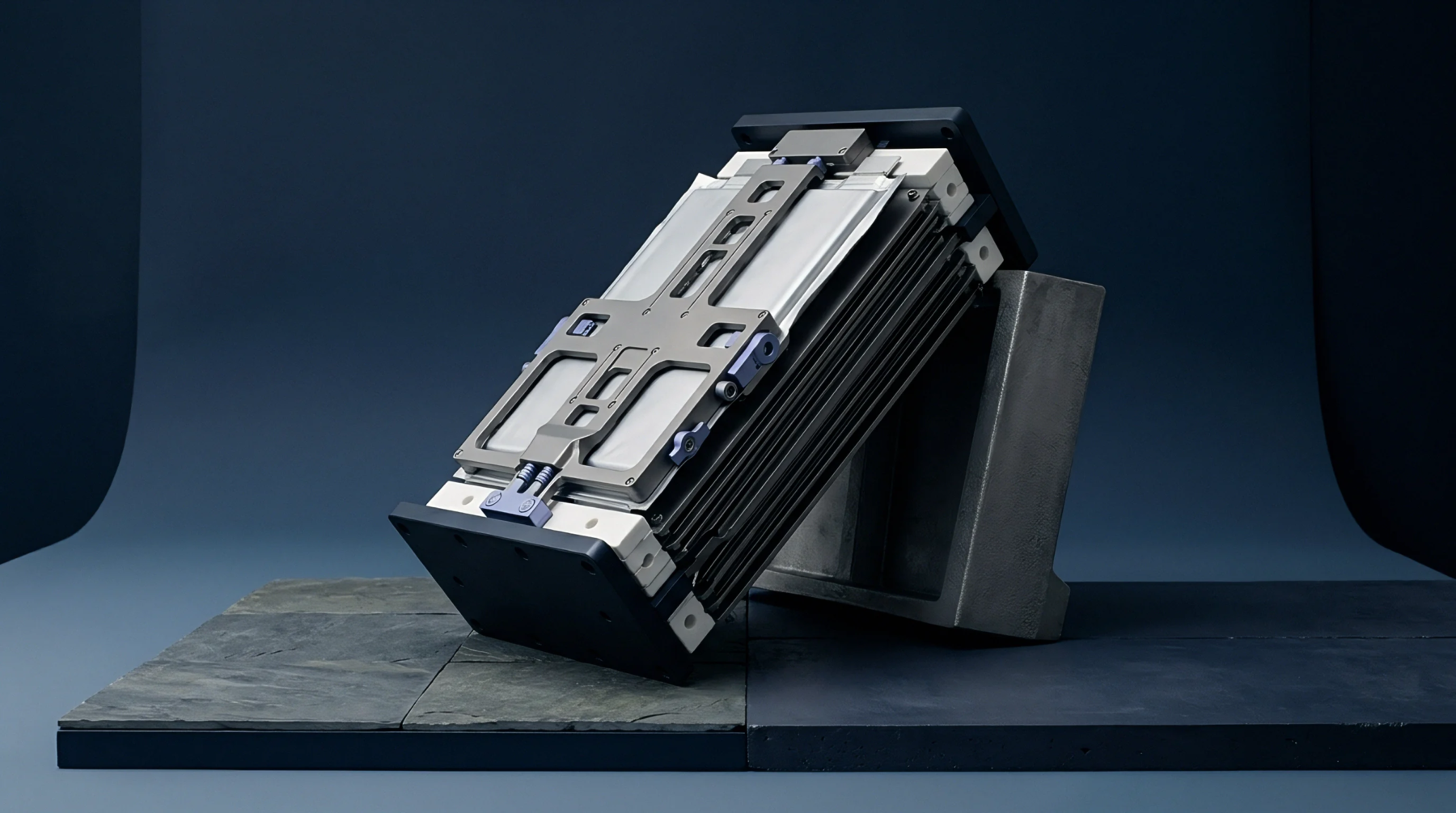
Elastomeric foam sheets assist in managing the physical expansion of battery cells during charging and discharging cycles. Utilizing cellular polyurethane between cells provides a controlled counterforce that accommodates swelling. This prevents structural damage.
Compression Performance
Polymeric foams exhibit a non linear stress strain relationship during deformation. Inserting cellular polyurethane ensures that the pressure remains within the safe operating envelope of the electrochemical cells as they breathe. When cells swell, the foam compresses while maintaining a constant pressure.
This characteristic ensures that the internal components of the cell do not experience mechanical deformation that could trigger internal short circuits.
Thermal Management
Polymer compression pads also function as thermal barriers inside the pack assembly. Solid polyurethane conducts heat more readily than the cellular variant, which contains trapped gas pockets that lower thermal conductivity. The cellular polyurethane therefore helps to isolate individual cells from runaway events in adjacent cells.
This isolation is a major factor in passing rigorous propagation resistance tests.
Thickness Specification
Selecting the proper initial thickness is a critical purchasing decision. Sourcing agents negotiate with foam manufacturers to obtain precise tolerances on the nominal thickness of the sheets. A sheet that is too thick will overcompress the cells during assembly, whereas one that is too thin will fail to provide sufficient pressure to prevent electrode delamination.