Meaning
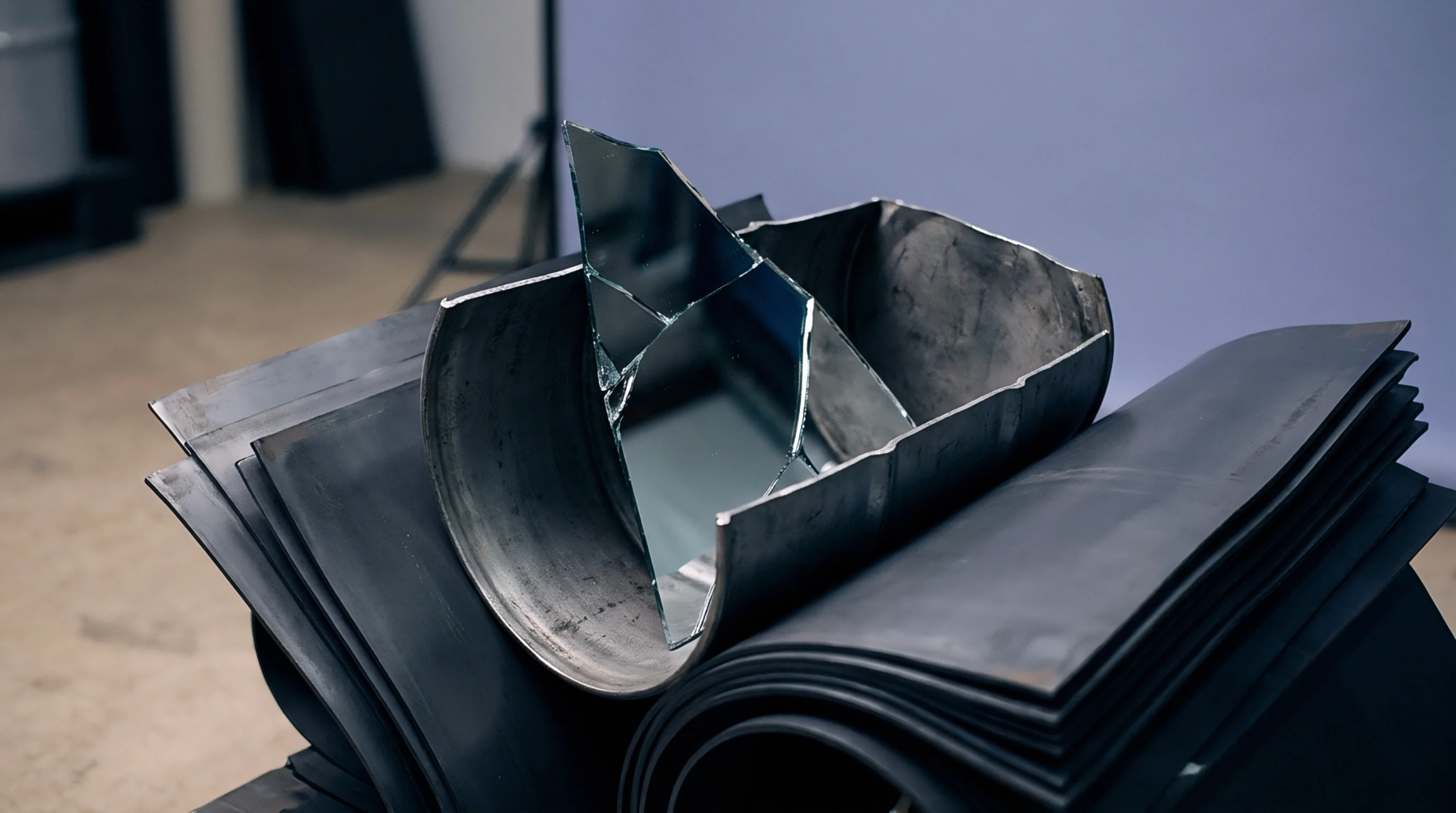
Crystalline materials possess preferred directions of mechanical weakness along which fracture occurs with minimal resistance. This specific orientation, known as a cleavage plane, corresponds to the atomic layers with the lowest density of chemical bonds. When electrode materials like lithium cobalt oxide undergo repeated cycling, internal stress can initiate cracking along these flat zones.
Such fractures degrade the electric conductivity and accelerate cell degradation.
Structural Failure
Structural failure occurs when mechanical or electrochemical stresses exceed the cohesive force of the crystal lattice. Crack propagation along the cleavage plane leads to active material isolation and impedance growth. In layered cathode oxides, lithium insertion and extraction cycles induce anisotropic volume changes.
These changes create concentrated shear forces that initiate microscopic parting.
Degradation Metric
Electrode durability depends heavily on the resistance of active particles to crystallographic separation. Analyzing the orientation of the cleavage plane helps engineers predict fracture patterns under rapid charging conditions. High-resolution electron microscopy provides direct visualization of these atomic paths.
This analysis guides the development of surface coatings designed to prevent crack initiation.
Cell Durability
Battery life is directly limited by the physical degradation of its constituent crystallites. Minimizing the occurrence of active cracking along each cleavage plane preserves the conductive network within the composite electrode.