Meaning
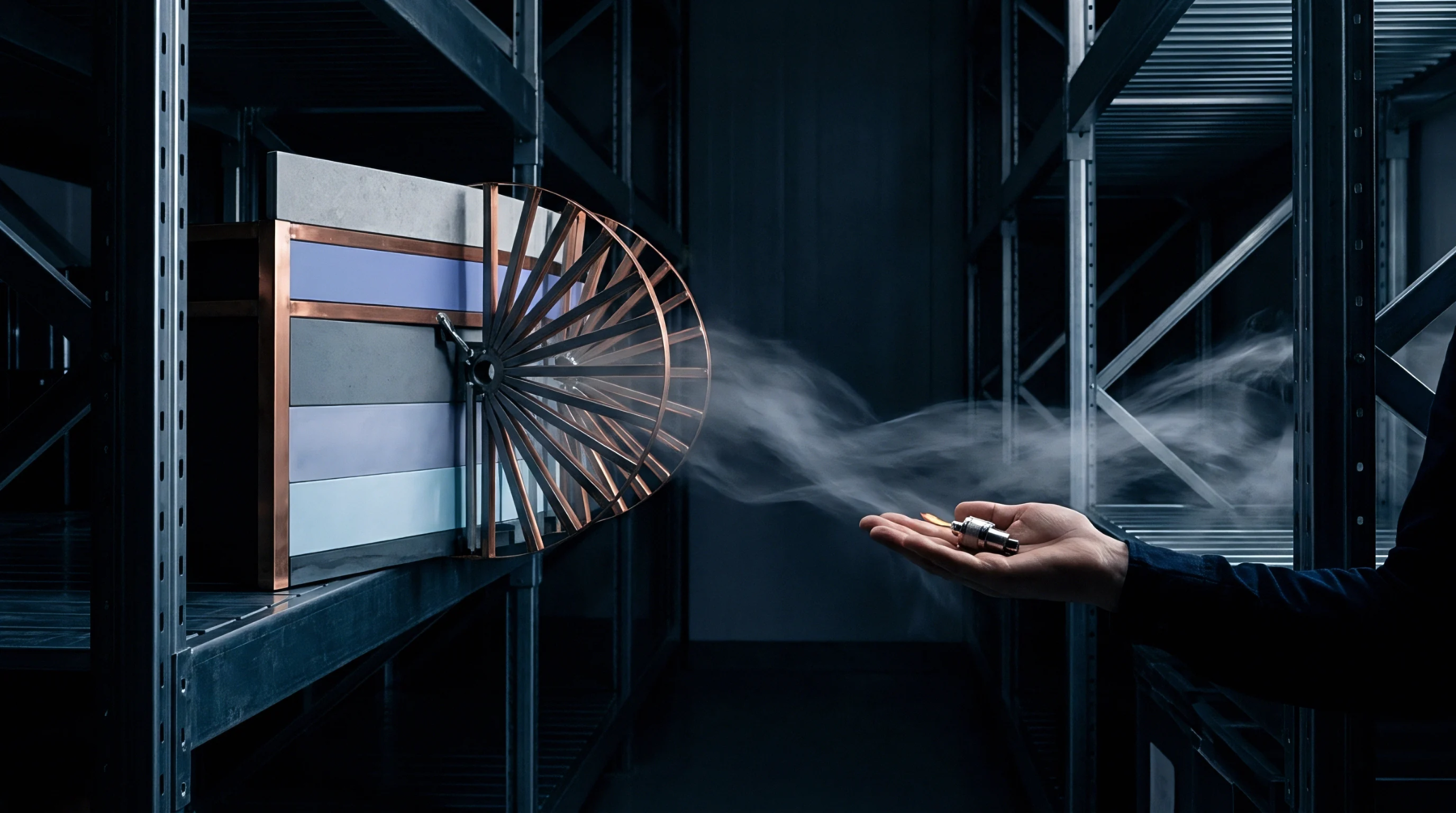
Industrial gas recycling processes extract, purify, and recompress inert shielding atmosphere discharged during high-temperature battery material calcination. Continuous extraction systems draw contaminated argon from furnace exhaust headers, strip volatile impurities, and return purified gas back into heating chambers. Closed-loop argon recovery governs noble gas reuse efficiency in sealed furnace lines, terminating at process purge points where gas streams vent to exhaust.
Purification Stream Efficiency
Multistage separation trains remove entrained organic vapors, particulate matter, moisture, and reactive gases from spent furnace exhaust. Dynamic filtration units trap airborne carbon fines, while catalytic oxidation beds convert residual hydrocarbons into removable water vapor and carbon dioxide. Secondary cryogenic distillation columns separate trace nitrogen and oxygen, restoring argon purity to industrial synthesis standards.
Contaminant Separation Phase
High furnace operating temperatures vaporize low-molecular-weight organic species from carbon precursors into the gas stream. Condensation units cool exhaust gases to precipitate heavy tars prior to catalytic treatment. Desiccant beds remove moisture before gas streams reach compression stages, preventing internal component corrosion and chemical cross-contamination.
Continuous sensor arrays monitor gas composition, diverting off-spec gas streams to secondary polishers when contaminant levels exceed operational thresholds. Purified gas streams pass through final sub-micron filters to eliminate trace particulates before entering furnace supply lines.
Operational Cost Neutralization
Reclaiming shielding gas reduces continuous argon procurement volumes in commercial battery material production lines. Minimizing gas purchases lowers operational expenses, protecting cell manufacturers against supply chain disruptions and price volatility. High recovery yields reduce total energy footprints by recirculating thermal energy embedded in recycled gas streams.