Meaning
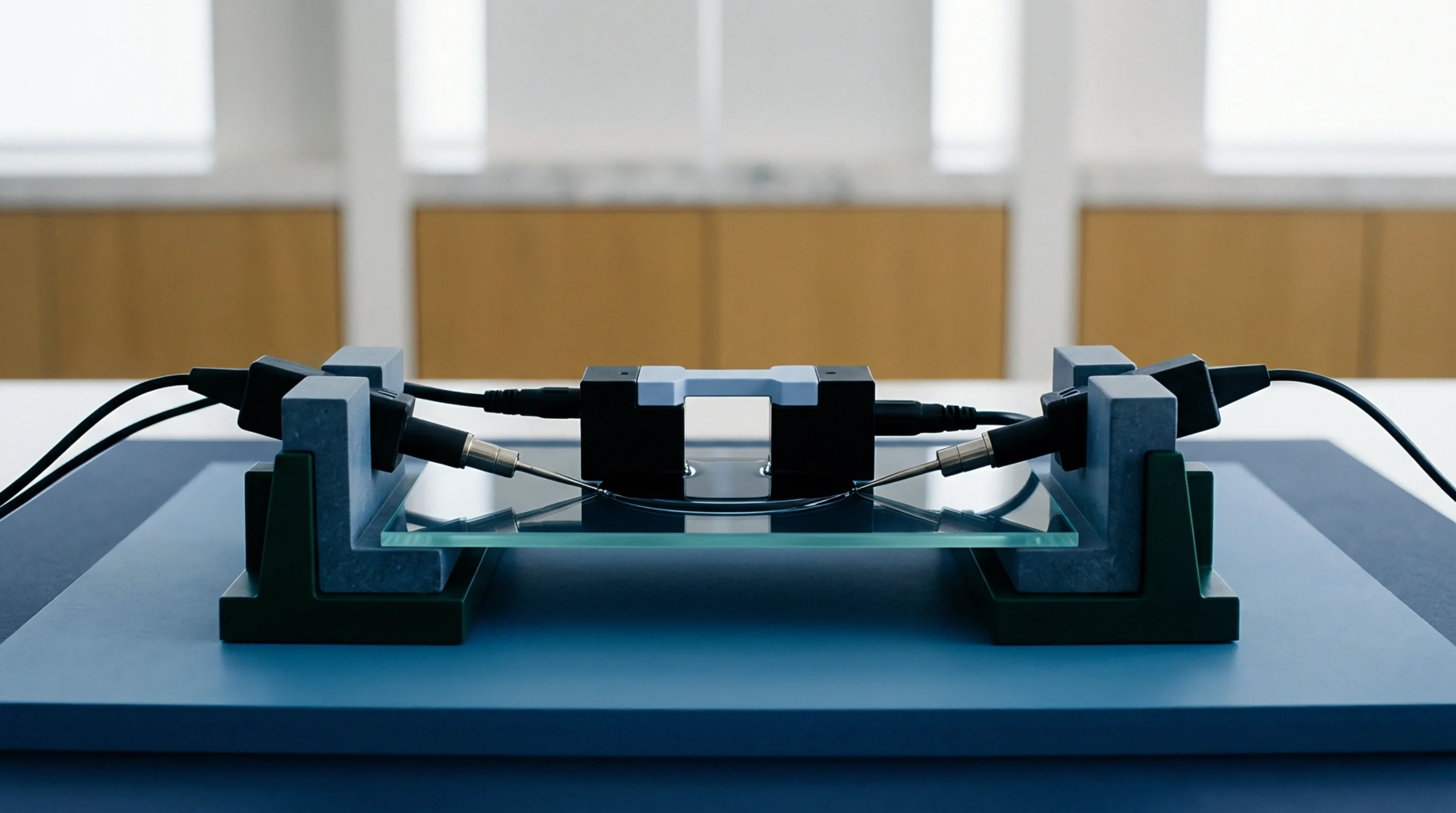
An electrical characteristic describes the consistency of resistance across multiple mating cycles. Known as contact repeatability, this performance parameter ensures that measurement errors remain low during automated testing of battery cells. Fluctuations in the contact resistance can distort voltage readings during high-current pulses.
Test systems depend on stable interfaces to distinguish between a cell with high internal resistance and a poor physical connection.
Test Influence
Measurement accuracy during high-throughput cell screening relies on keeping the interface resistance within a tight micro-ohm range. If contact repeatability is poor, the sorting algorithm may incorrectly classify a premium battery cell as a low-grade unit. Engineers run calibration routines to subtract the baseline resistance of the test fixture before starting a production run.
This correction only works when the contact remains stable.
Degradation Mechanism
Physical wear of the probe tips occurs because of repeated mechanical strikes against the brass or copper cell terminals. This continuous abrasive action causes contact repeatability to decline as the metallic plating wears away and exposes the underlying material to oxidation. Debris from the cell surface also accumulates on the probe head, which further disrupts the electrical path.
Regular cleaning cycles are necessary to prevent measurement drift.
Parameter Boundary
The specification holds true only when the mechanical alignment of the actuator remains precise. Out-of-spec lateral forces or insufficient downward pressure can cause the probe to slide, which ruins the contact consistency. This limit means that pneumatic actuators must deliver a force of at least five newtons per probe.