Meaning
Electrical insulation capacity defines the maximum field intensity a material tolerates before conducting current through its atomic structure. Dielectric breakdown strength identifies the voltage threshold per unit of thickness where molecular bonds fail and form a conductive path. Solid, liquid, or gaseous insulators lose their primary duty when this threshold passes.
Physical damage follows the event as arcs burn through the material. Testing standards quantify this value by applying ramped potential across test samples until current flow rises abruptly. Material purity, moisture content, and ambient temperature modify the result.
Designers rely on this figure to determine insulation thickness within battery modules to prevent short circuits.
Insulation Performance
Voltage stress forces electrons through the crystal lattice once the field energy exceeds the binding energy of the insulator. Dielectric breakdown strength provides the necessary reference for choosing plastics or polymers for busbar housing or high voltage cable sheathing. Manufacturers observe higher values in thin films due to the lower probability of including structural defects or metallic inclusions that initiate the failure process.
High frequency signals reduce the effective limit by heating the medium through repeated dipole rotation. Thermal energy degrades the lattice over time, decreasing the total capacity of the component to withstand spikes. Engineering teams select materials with margins exceeding peak operating voltages by wide ratios to account for aging during the lifecycle of the system.
Material Validation
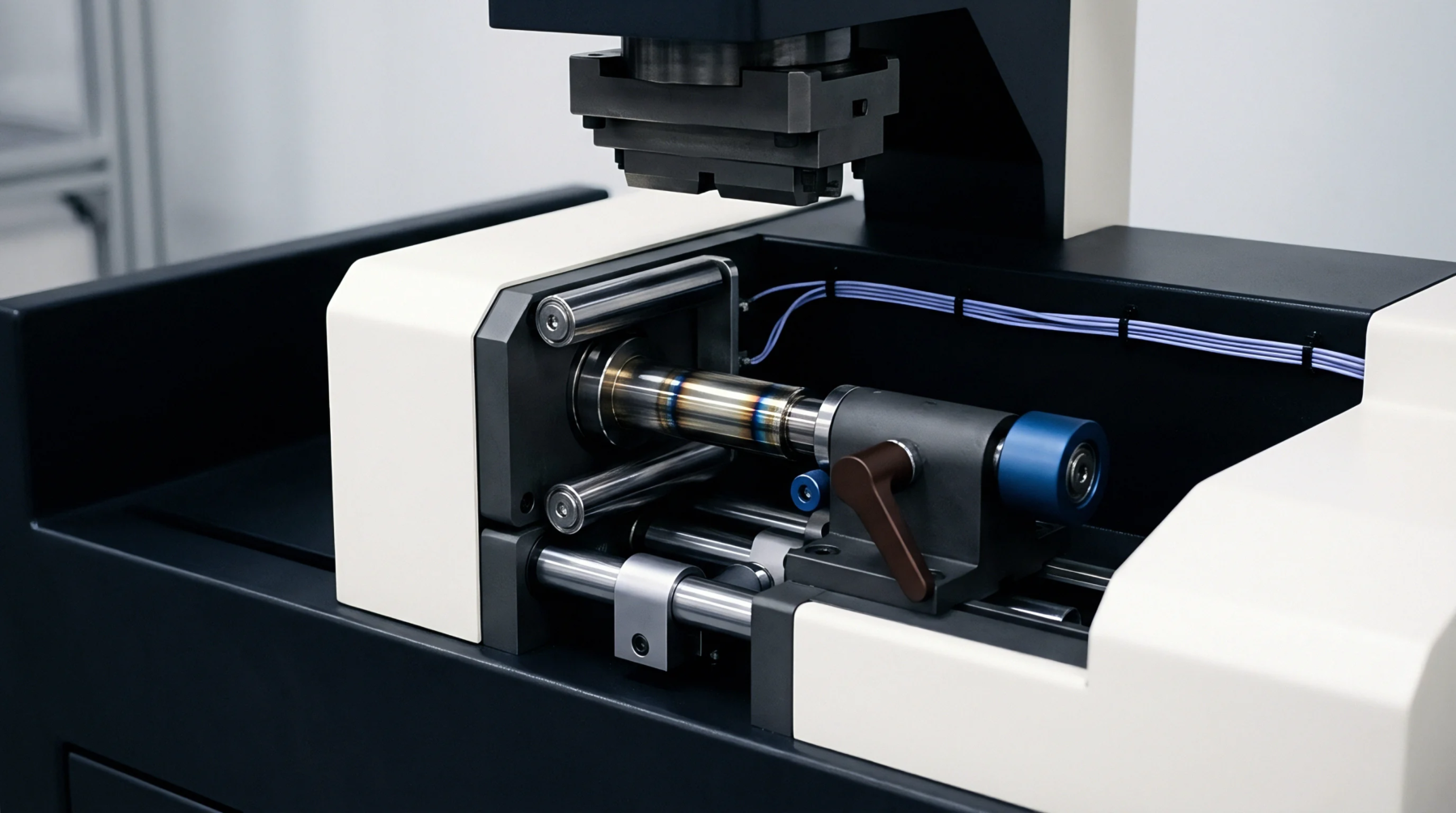
Testing procedures dictate that electrodes apply potential across the specimen at specific rates to ensure consistent data. Measuring dielectric breakdown strength involves placing a circular sheet of the subject between spherical electrodes within a dielectric bath. Oil immersion prevents flashover through the air, ensuring the failure occurs through the bulk material instead.
Variations in the electrode shape change the field geometry and influence the observed failure voltage. Calibration of the equipment requires periodic verification against known standards to ensure accuracy. Surface finish quality significantly alters the outcome because microscopic pits concentrate the electrical field and lower the overall resistance.
Data analysts discard results where failure originates at the edge of the electrode rather than through the sample centre.
Component Specification
Power density requirements force compact designs that place conductive paths in close proximity. Dielectric breakdown strength governs the safety limits of these high density packaging layouts. Engineers translate this material property into a clearance distance or creepage gap to ensure isolation remains stable under extreme conditions.
Humidity increases the surface conductivity and lowers the effective insulation rating, necessitating protective coatings for sensitive electronics. Moisture ingress changes the chemical nature of polymers, causing the value to drop sharply even if the material appears intact. Components failing to maintain this specific electrical rating during surge conditions pose risks of thermal runaway within large scale energy storage systems.
Electrical integrity relies on the continuous maintenance of this threshold throughout the expected operational life of the device.