Meaning
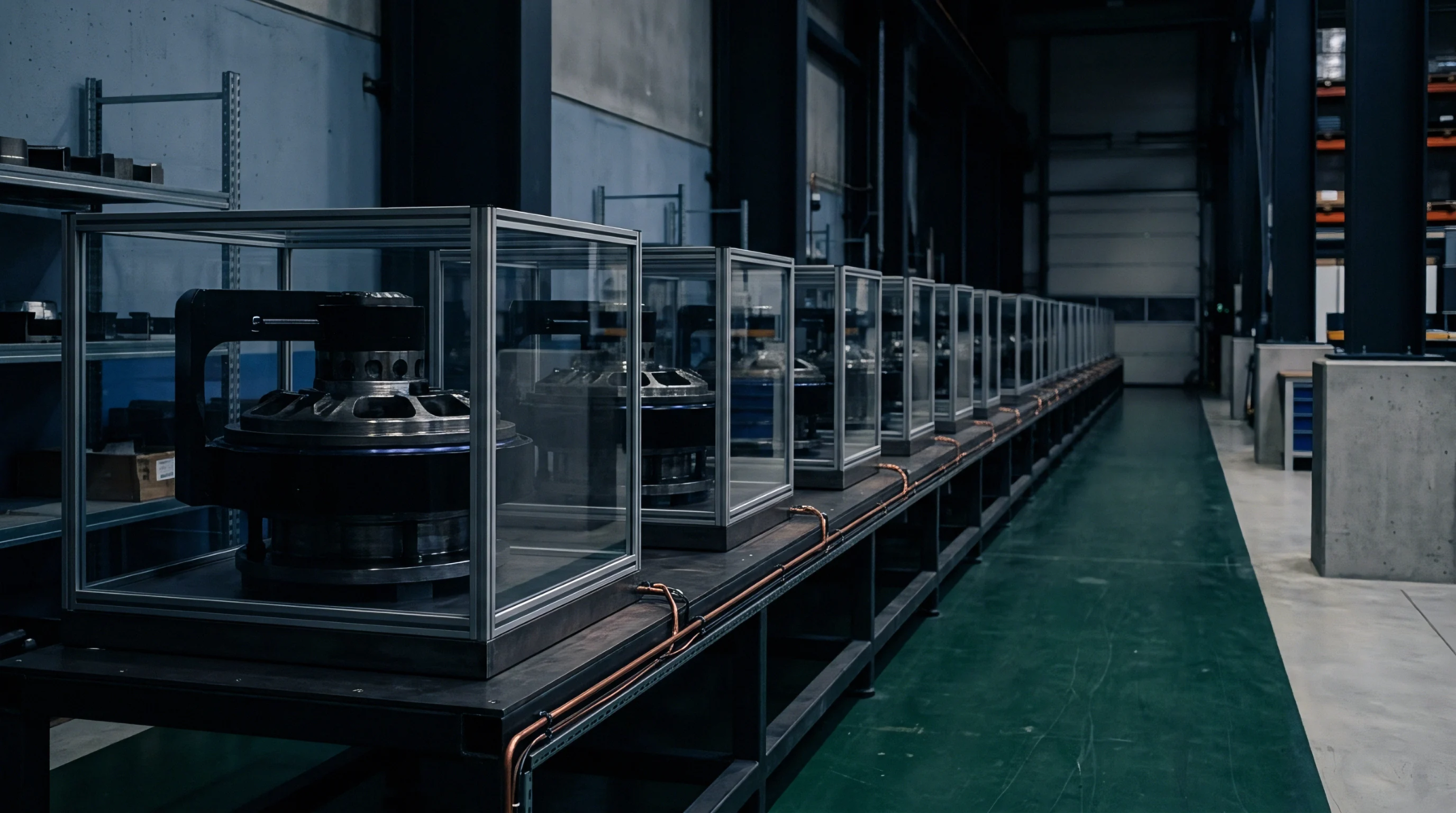
Transducers converting physical dimensional shifts into calibrated electrical signals quantify positional variations across mechanical structures. In battery test benches and formation chambers, a displacement sensor measures the sub-millimeter breathing of cell pouches and prismatic cans during charge and discharge protocols. These instruments capture both reversible lithium-intercalation expansion and irreversible degradation swelling over extended calendar life.
The physical boundary stops at the surface contact point or optical target on the cell exterior, leaving internal jelly roll shifts to inferred electrochemical modeling rather than direct physical observation.
Transduction Principle
Contact and non-contact detection techniques translate physical travel into analog voltage or digital frequency readouts. Linear variable differential transformers employ magnetic core movement within primary and secondary coils to measure sub-micron linear movement. Optical triangulation and confocal chromatic heads record position without applying mechanical force to compliant pouch cell skins.
Each physical design displays particular sensitivities to ambient temperature gradients and magnetic fields generated by high-current busbars. When integrated into module production fixtures, a displacement sensor must resist electromagnetic interference from nearby power electronics and inverter switching circuits.
Swelling Characterization
Electrode volume increases during phase transitions within graphite and silicon blended anodes create distinct macroscopic dimensional profiles. Real-time logging of these micro-movements isolates phase boundaries and detects unwanted lithium plating before voltage curves register anomalies. Pouch cell evaluation protocols use a displacement sensor to establish the threshold between normal elastic breathing and the non-linear volume acceleration that precedes thermal runaway.
Pack architects rely on these empirical expansion curves to determine the physical gaps required between cell bricks inside rigid battery enclosures.
Calibration Protocol
Zero-point drift and thermal expansion of mechanical mounting fixtures introduce measurement errors during multi-week cycling schedules. Environmental test chambers experience temperature swings that distort mounting arms unless low-expansion Invar frames support the displacement sensor. Gauge repeatability studies verify sensor linearity across the anticipated stroke range prior to formal test execution.