Meaning
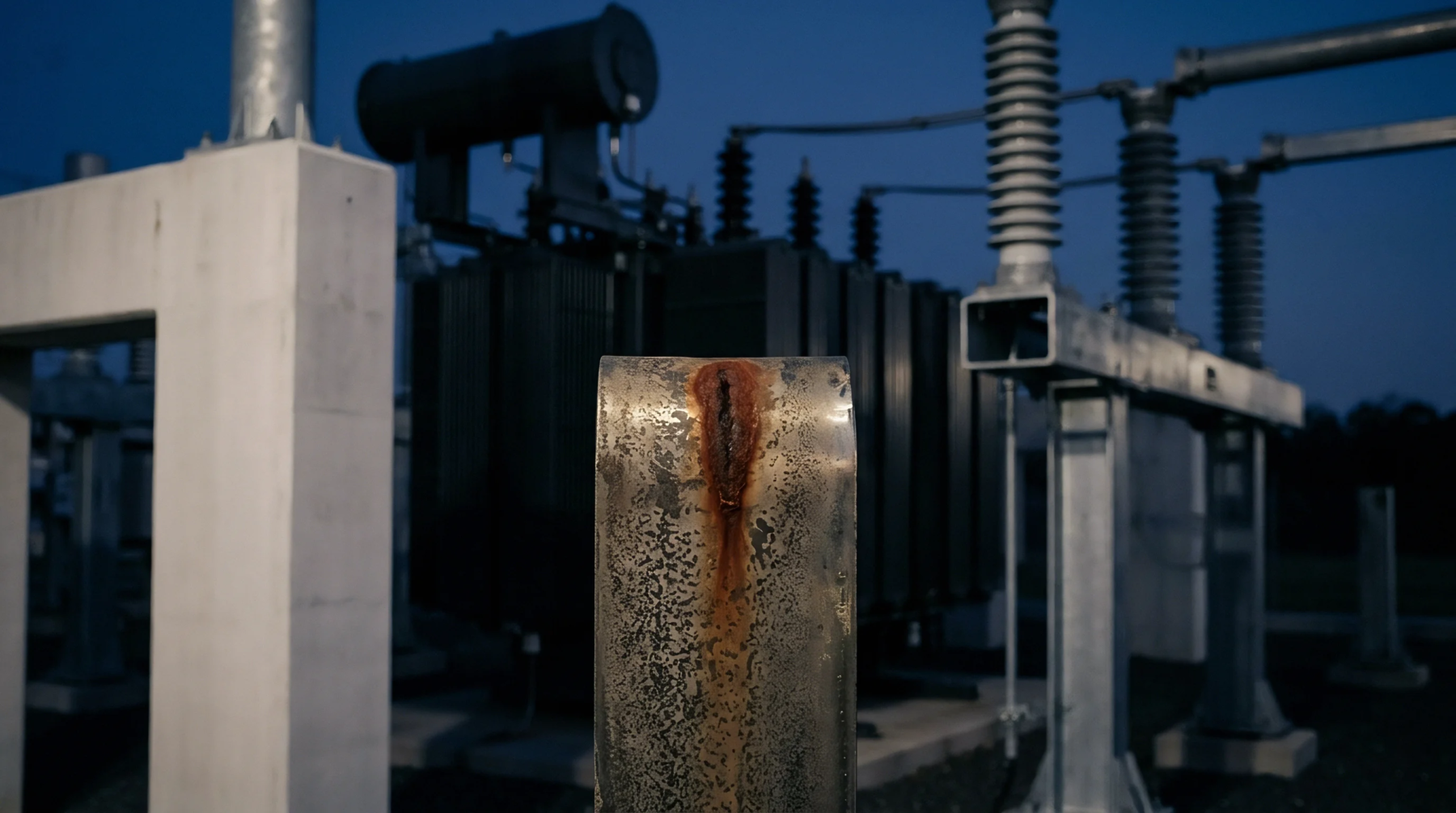
Liquid phase separation converts volatile brominated vapors into corrosive acid droplets upon contact with cold mold surfaces. Phase changes resulting in hydrobromic acid condensation occur when thermal degradation products of flame retardants cool below their dew point inside mold cavities. The concentrated acidic liquid attacks exposed tool steel, initiating micro-pitting and localized surface erosion.
This chemical phenomenon governs dew point boundaries and liquid acid corrosion rates during polymer processing.
Dew Point
Gas temperature drops convert vaporized brominated species into liquid acid deposits. Occurrence of hydrobromic acid condensation depends on mold wall temperature relative to volatile gas saturation points.
Cavity Etching
Hydrobromic acid droplets dissolve iron matrix boundaries on unprotected steel cavity faces. Microscopic pitting ruins mirror-polished cavity surfaces, producing cosmetic defects on molded plastic housings. Acid accumulation accelerates inside unvented tool pockets where volatile gases stagnate.
Mold corrosion worsens when cycle times allow liquid acid to sit on cavity walls.
Material Selection
Corrosion-resistant tooling alloys resist aggressive acid condensation during high-speed molding operations. Procurement teams select stainless steels or apply physical vapor deposition coatings to prevent surface damage. Mold venting designs evacuate brominated off-gasses before condensation occurs inside cavity inserts.
Surface protection prevents costly tool refinishing and unplanned production shutdowns.