Meaning
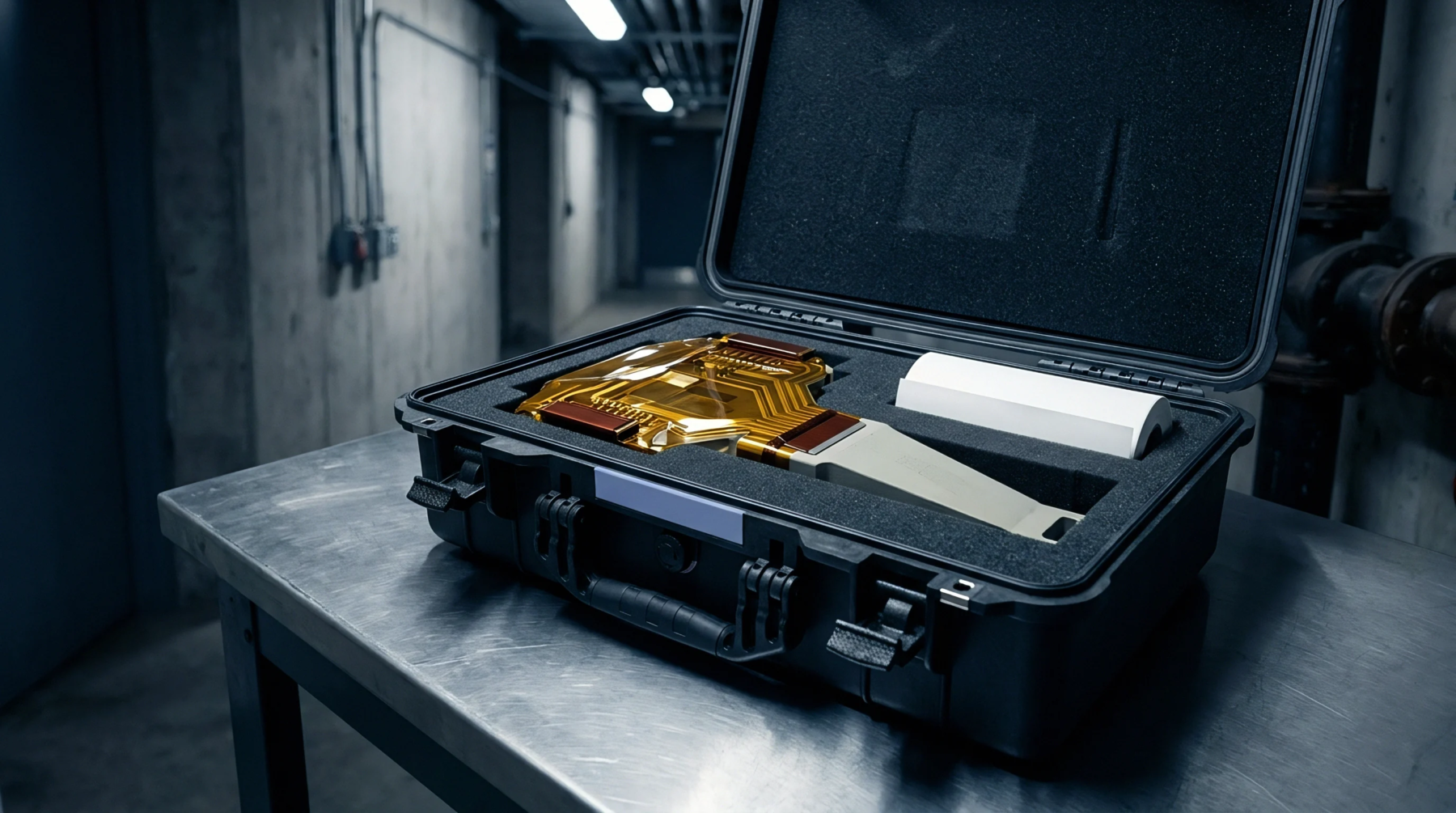
Interrogator hardware comprises the optical or electronic signal processing units that supply input pulses to fibre optic sensing arrays and decode the returning backscattered light into usable measurement data. Procurement teams evaluate interrogator hardware according to sampling frequency, dynamic range, and spatial resolution to ensure compatibility with structural health monitoring systems deployed across large-scale energy infrastructure. This instrumentation governs the precision of temperature and strain readings collected from assets such as high-voltage transmission lines and subterranean storage caverns.
Operations teams specify these processor units within strict wavelength stability tolerances to maintain calibration accuracy over long operational lifespans without recurring manual intervention.
Optical Bandwidth
Signal fidelity relies heavily upon the spectral width generated by the internal laser source within the interrogation unit. Manufacturers tune the optical output to match the specific Bragg grating reflectivity profiles embedded along the sensing fibre length. Wideband configurations accommodate higher channel counts by multiplexing numerous sensor nodes onto a single optical fibre core.
Commercial buyers verify these spectral parameters against maximum allowable attenuation budgets defined for long-distance remote monitoring installations.
Sampling Rate
Data acquisition velocity determines how rapidly the processor records dynamic strain events or acoustic anomalies propagating through the monitored structure. High-frequency interrogation units capture transient phenomena by executing millions of measurements per second across all active optical channels. Engineers balance acquisition speed against signal-to-noise ratios because excessive sampling rates degrade the precision of individual backscattered photon counts.
Procurement specifications establish minimum pulse repetition frequencies required to detect high-speed mechanical vibrations or pressure oscillations accurately.
Environmental Tolerance
Field reliability depends upon the thermal resilience and mechanical robustness housed within the enclosure of the processor. Industrial deployment conditions require the internal circuitry to operate continuously within specified temperature extremes without thermal drift affecting wavelength calibration. Housing classifications dictate whether the hardware requires forced-air cooling systems or sealed enclosures rated for harsh offshore installation environments.
Capital expenditure decisions reflect these durability ratings because premature electronic degradation halts continuous data acquisition across the entire monitoring network.