Meaning
Physical phenomenon describes the elastic scattering of light by particles or density fluctuations that are much smaller than the wavelength. Utilizing Rayleigh backscattering allows fiber optic interrogation systems to measure strain and temperature changes along a fiber. The phenomenon is monitored to build continuous profiles of battery cell deformation and heat generation.
This non-destructive diagnostic is crucial for high-resolution testing.
Interrogation Method
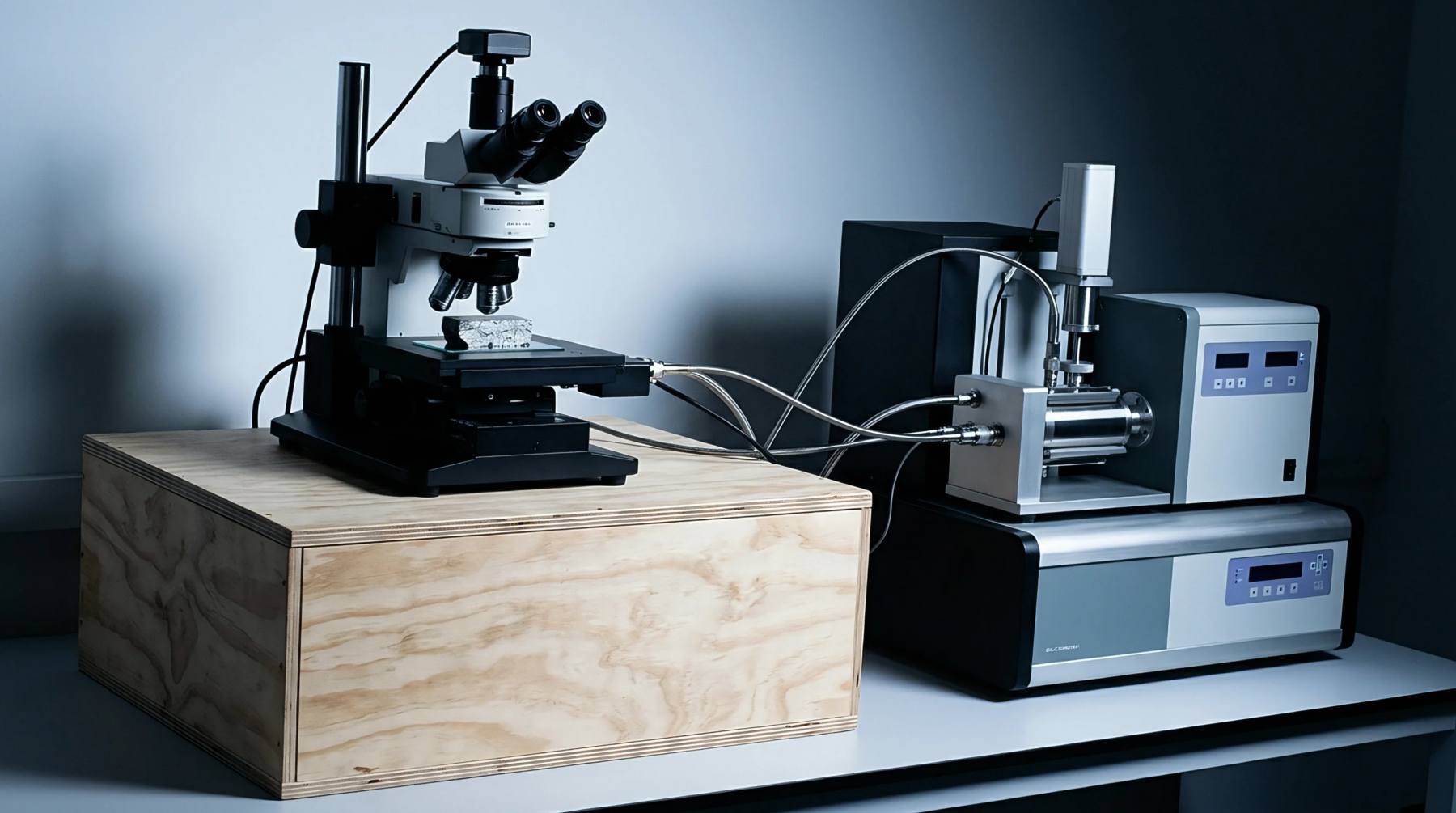
An optical reflectometer sends light pulses down the fiber and measures the reflected signal. Minor variations in the density of the glass reflect a tiny portion of the light back to the source. Any change in temperature or stretch shifts the pattern of these reflections.
This shift is processed to calculate the local strain with millimeter resolution.
Battery Testing
Placing the optical fiber along the surface of a cell reveals local hotspots and expansion zones during fast charging. This detailed mapping helps identify non-uniform electrode expansion and localized degradation. It replaces sparse thermocouple measurements with a complete thermal and mechanical picture.
This insight is essential for validating structural cell models.
Industrial Impact
Sourcing and quality teams use this scattering data to evaluate the structural stability of new cell formats. Cells that demonstrate uniform expansion are less likely to experience early mechanical failure. This assessment helps buyers select the highest-quality components for long-life applications.
It leads to more durable and reliable battery systems.