Meaning
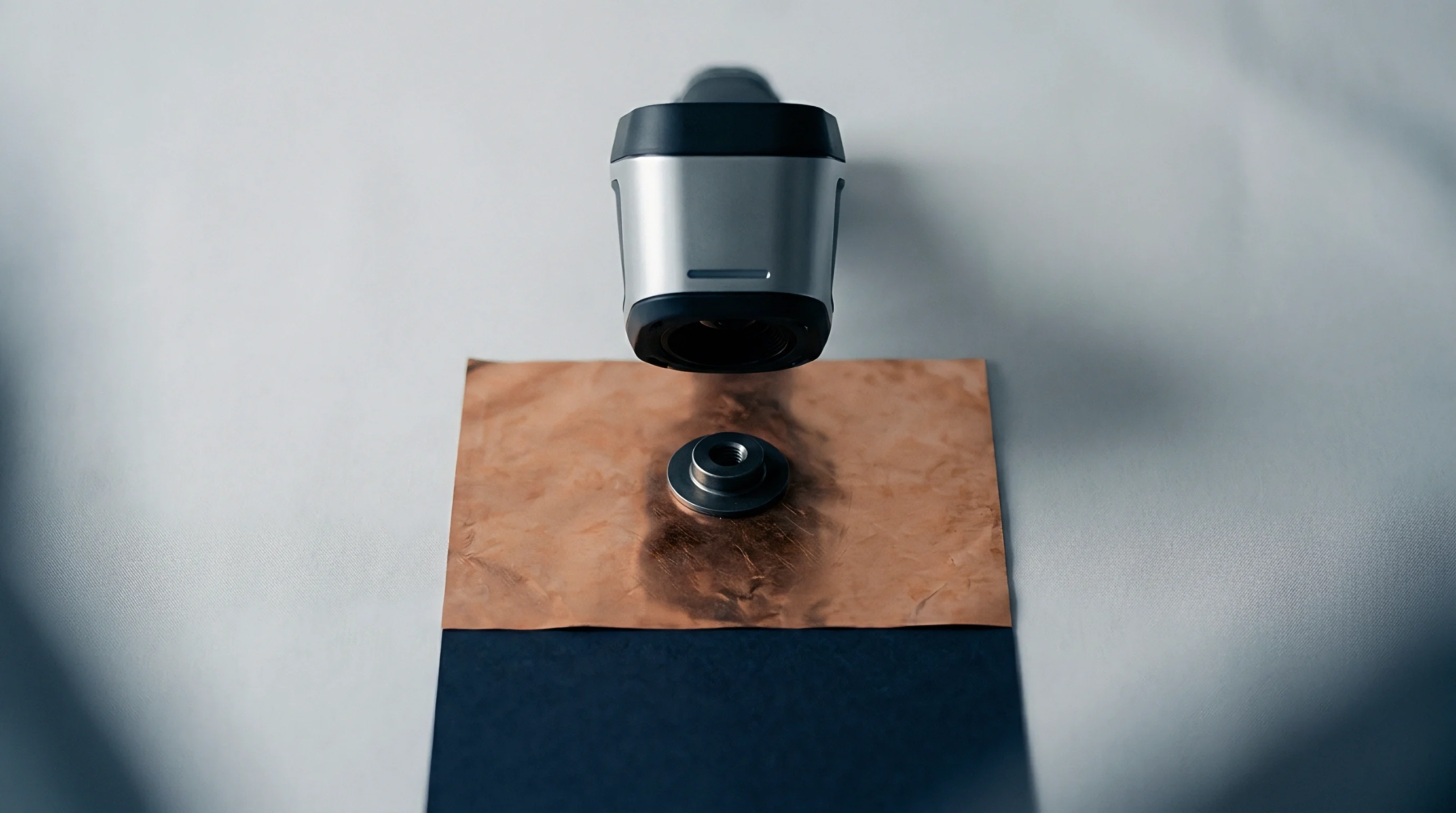
Tooling degradation refers to the flattening or rounding of the textured ridges on the welding anvils used in ultrasonic metal welding. Continuous contact with hard battery foils results in knurl pattern wear, which reduces the friction required to grip the materials during joint formation. Welding heads must be inspected regularly to maintain consistent joint quality.
Production Impact
Insufficient gripping force caused by worn tooling prevents the efficient transfer of ultrasonic energy to the weld interface. When knurl pattern wear becomes too severe, the foil layers slip during the welding cycle, resulting in weak under-welded joints with high resistance. Such joints fail to meet the mechanical pull strength standards required for automotive-grade packs.
Maintenance Cycle
Preventative maintenance schedules dictate anvil replacement after a set number of weld cycles. Tracking the progression of knurl pattern wear allows operators to schedule tool changes during planned downtime rather than reacting to a sudden increase in scrap rates. Refurbishment or replacement of the anvil restores the grip pattern to its original geometry.
Detection Technique
Visual inspections under magnification reveal the breakdown of the steel ridge profiles. Continuous monitoring of ultrasonic weld energy trends also identifies when knurl pattern wear is affecting tool performance.