Meaning
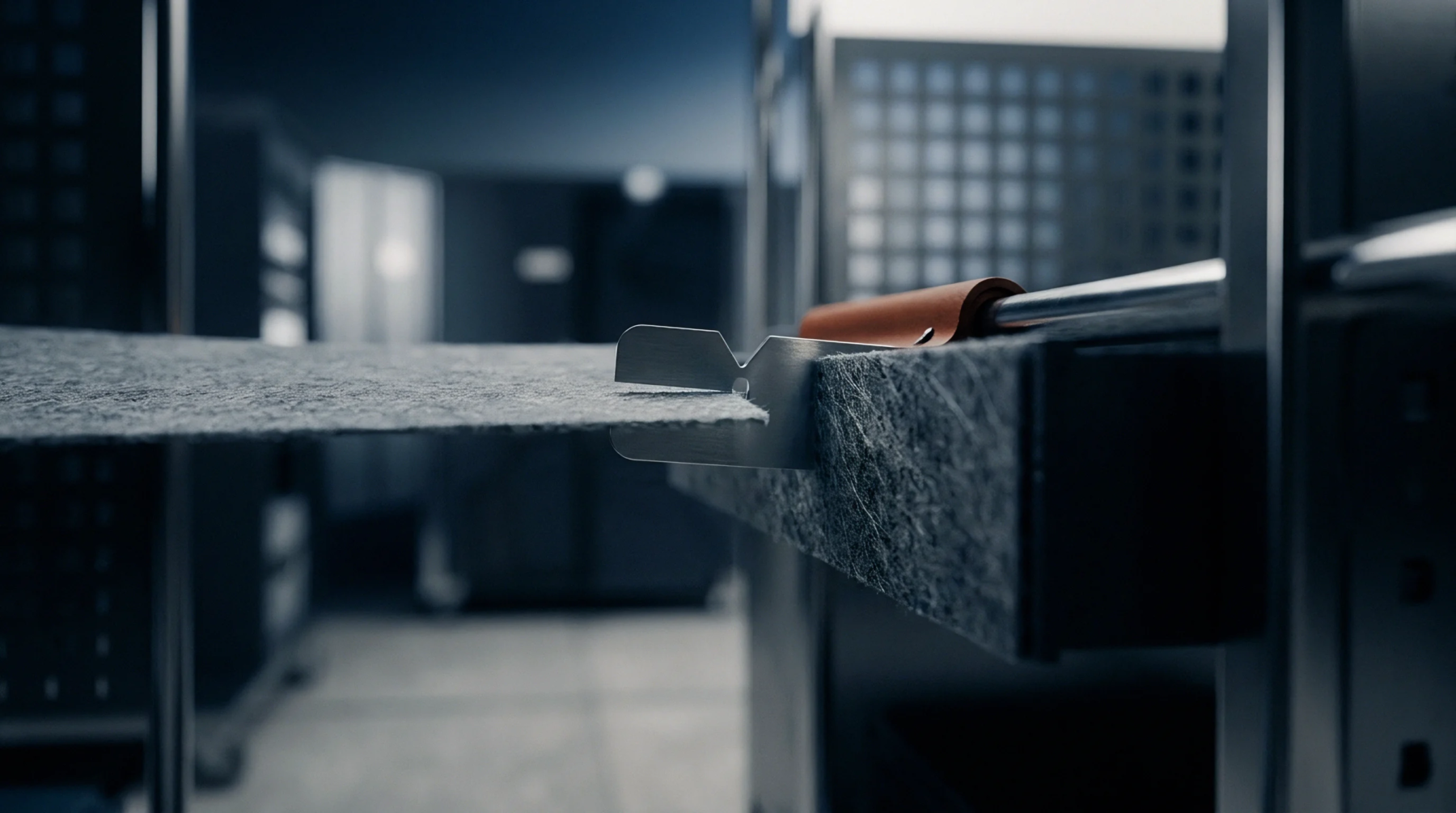
Mechanical expanding mandrels utilizing internal pneumatic pressure to drive radially expanding lugs or leaves secure winding cores during high-speed continuous web converting. The pneumatic lock shaft clamps fiber, aluminum, or plastic cores from the inside, preventing core slippage, roll runout, and web wandering during the slitting and rewinding of electrode foils. This device governs roll mounting, core alignment, and rotary torque transmission across battery production and foil coating equipment.
Its operating boundary covers roll unwinding, web handling, and rewinding operations, ceasing to apply once wound rolls are disengaged from the cantilevered production shaft.
Clamping Dynamics
Compressed air delivered through a rotary union or manual fill valve inflates an internal elastomeric bladder inside the central shaft body. Bladder expansion pushes hardened steel lugs or continuous aluminum leaves radially outward against the inner diameter of the core. The pneumatic lock shaft converts uniform pneumatic pressure into distributed mechanical friction across the inner core circumference.
When web processing finishes, venting the internal chamber collapses the lugs via return springs, enabling the operator or automated handling arm to slide finished rolls off the mandrel without surface damage.
Torque Transmission
Maintaining accurate web tension during high-speed acceleration and deceleration cycles requires slip-free engagement between the shaft and core. Variable winding tension induces telescoping or uneven edge registration if the pneumatic lock shaft loses internal pressure or fails to bite firmly into the core wall. Cantilevered designs carry heavy copper and aluminum master rolls weighing hundreds of kilograms, requiring high bending stiffness to prevent shaft deflection.
Shaft deflection produces uneven line tension across the web width, which leads to foil wrinkling, active material edge-cracking, and slitting misalignment.
Core Integrity
Core clamping must generate sufficient radial force without deforming or crushing fragile cardboard or thin-wall polymer cores. Non-uniform expansion profiles inside an improperly maintained pneumatic lock shaft induce core ovality, causing rotational vibration at high slitter line speeds. Modern battery dry rooms utilize multi-bladder or leaf-style shafts to achieve uniform circumference contact, protecting cleanroom cores from particulate-generating surface wear.
Verifying supply air pressure guarantees that rotational torque translates accurately into web tension across fluctuating roll diameters.