Standardized Optical Image Analysis Procedures for Tool Steel Inclusion Rating
Automated optical image analysis of tool steel inclusions requires rigid thresholding, unetched diamond polishing, and 100 mm² field rastering to ensure accuracy.
Automated optical image analysis of tool steel inclusions requires rigid thresholding, unetched diamond polishing, and 100 mm² field rastering to ensure accuracy.
Maintain negative aspiration pressure above 25 kPa gauge using optimized close-coupled tip recess geometries to eliminate argon entrapment in tool steel powders.

Precision electrode slitting requires powder metallurgy tool steels with high vanadium carbide volume to eliminate micro-chipping and maintain burr limits below 10 µm.
Sub-micron carbide stereology via low-kV BSE imaging verifies tooling microstructure, preventing electrode burrs and lowering total cell manufacturing costs.
Quantifying tool steel carbide banding via ASTM E1268 stereology prevents micro-chipping and premature fracture in high-takt battery cell stamping dies.
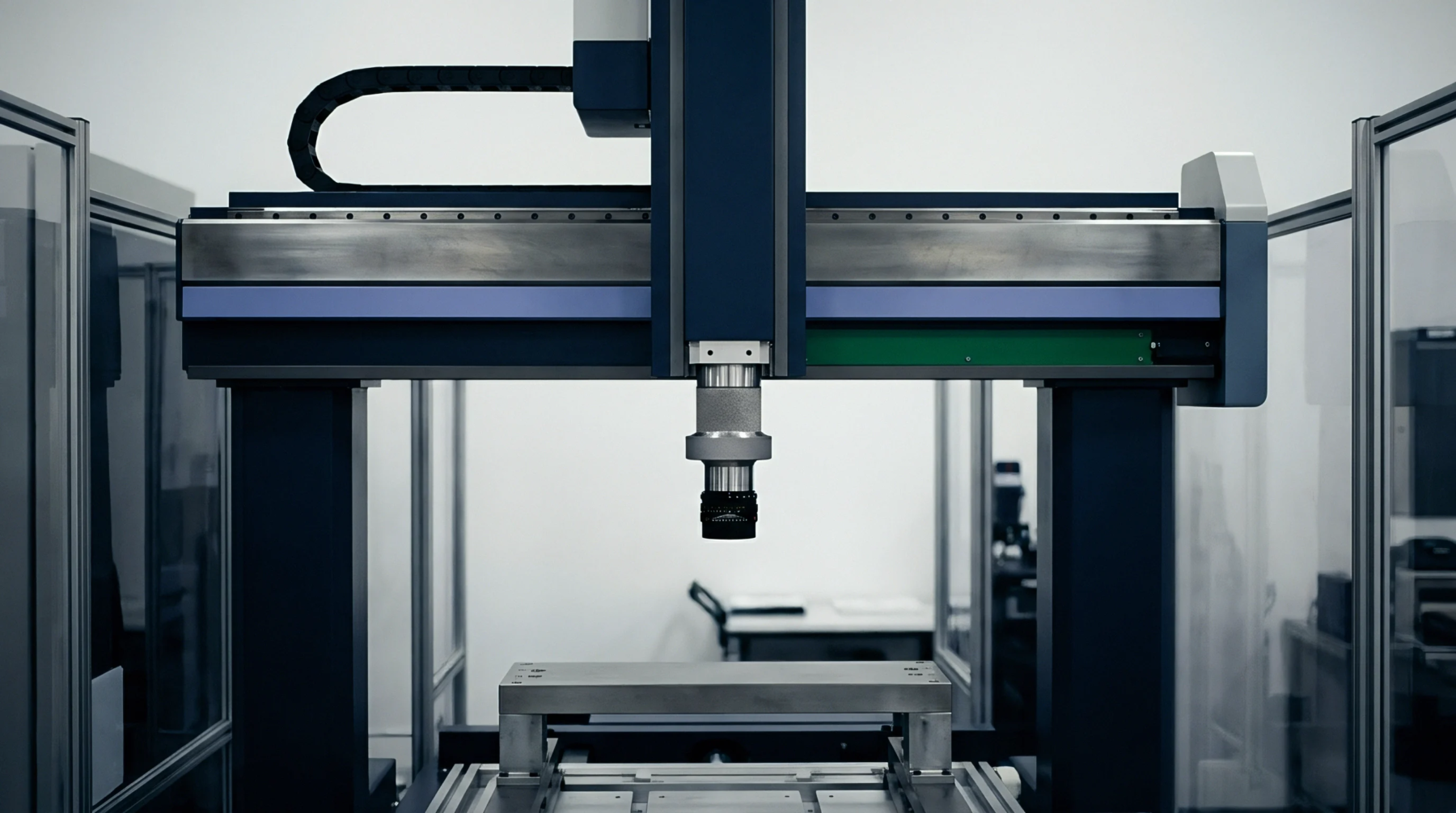
Electro-slag remelting reduces non-metallic inclusions below three micrometers, suppressing micro-crack initiation along carbide bands under cyclic shear.
Internal argon trapped during atomization expands under heat treatment, requiring strict desorption limits to prevent thermally induced porosity.
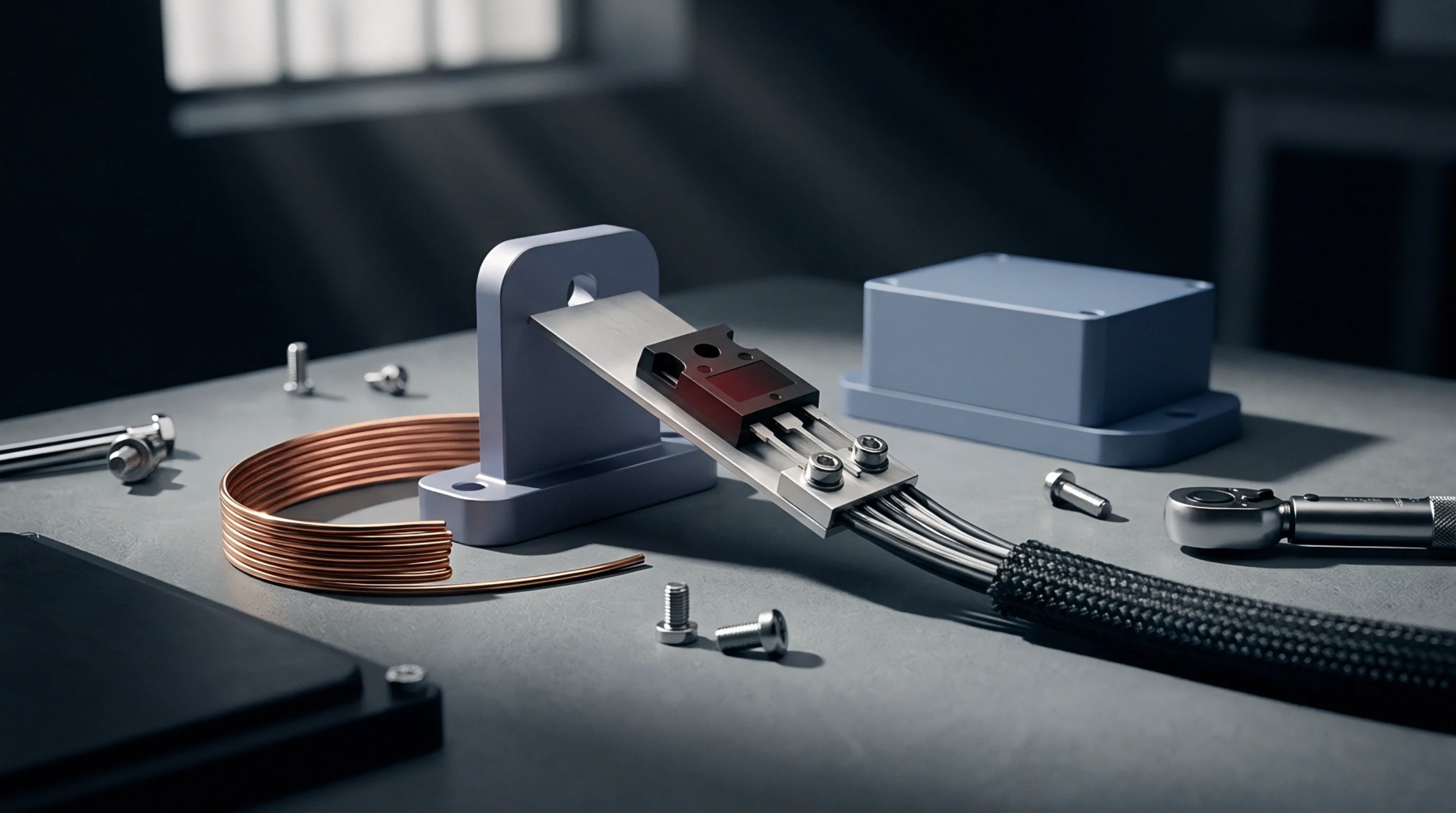
Specify ISO 5949 Class 2 max carbide segregation on die billet orders; verify incoming core coupons via quantitative stereology before paying tooling NRE.
Expertise is a utility, not a secret. sentiention™ publishes its working knowledge as open reference: intelligence layer covering the materials it sources, the markets it enters, and the reference that serves both.