Meaning
Metallurgical characterisation of heat-treated steel components involves evaluating the dimensions of the parent grains that existed before the steel transformed into its room-temperature microstructure. Measuring the prior austenite grain size provides critical information about the material history and its susceptibility to brittle fracture. Although the original austenite grains are replaced by martensite or bainite upon cooling, their boundaries often retain trace impurities or carbide networks.
This measurement supports quality assessment of structural steel products. Analyzing these ghost boundaries is an essential part of quality assurance for critical safety-critical forgings.
Reconstruction Method
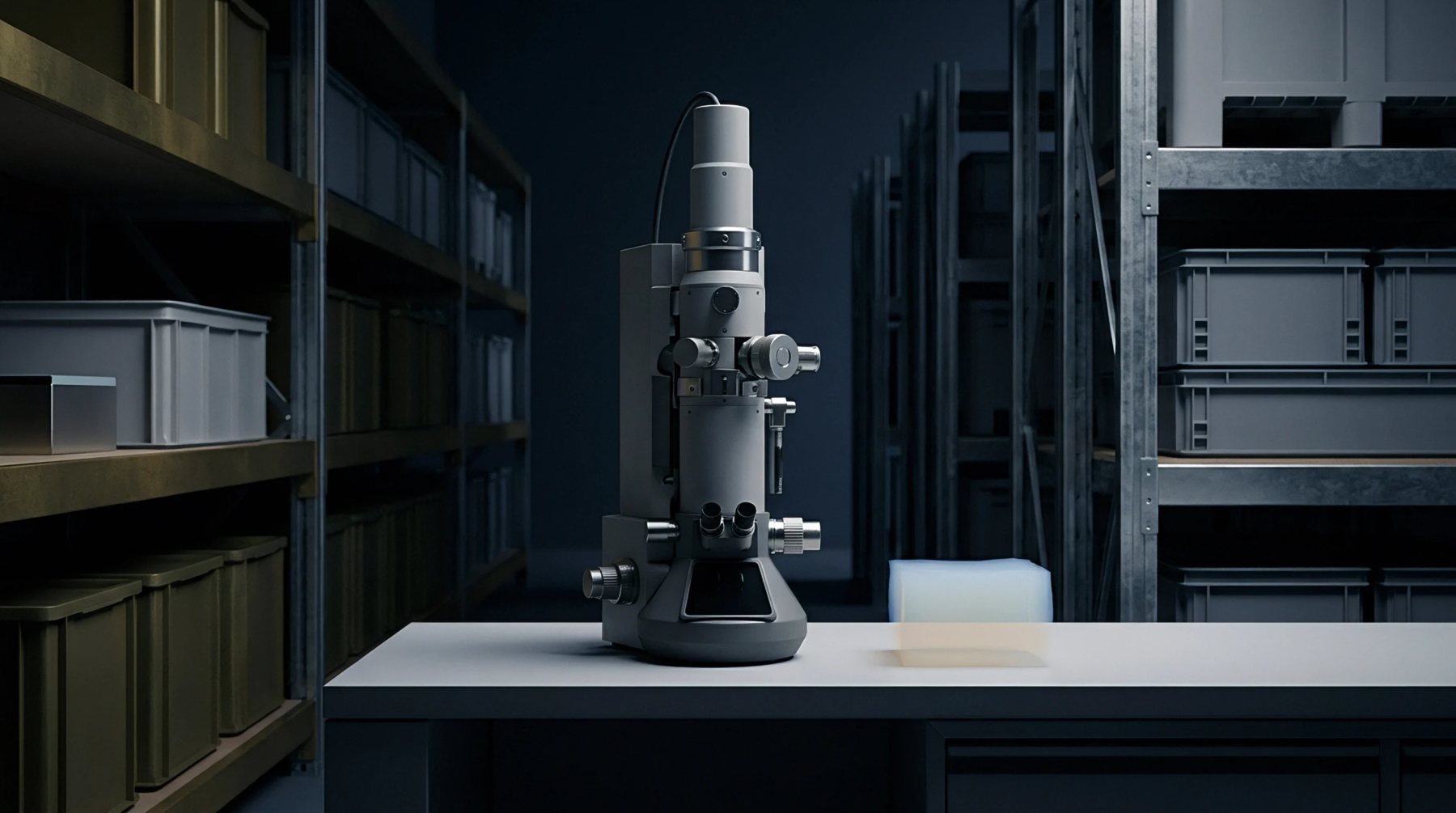
Chemical etching with specialized reagents is used to reveal the ghost boundaries of the original austenite phase under an optical microscope. Another approach uses electron backscatter diffraction data to mathematically reconstruct the prior austenite grain size from the orientations of the room-temperature transformation products. This digital reconstruction relies on known crystallographic orientation relationships between parent and child phases.
Mechanical Relationship
A smaller prior austenite grain size improves both the yield strength and the low-temperature impact toughness of the steel. This grain refinement limits the propagation path of cleavage cracks, making the material more resistant to sudden failure. Conversely, coarse grain structures are associated with a higher susceptibility to hydrogen embrittlement.
Industrial Specification
Sourcing guidelines for structural steel fasteners in wind turbines require a prior austenite grain size that meets specific international standards. Manufacturers use microalloying elements such as niobium or titanium to pin the grain boundaries during high-temperature processing. Controlling this microstructural feature ensures that heavy-duty metal parts can withstand high fatigue loads.