Meaning
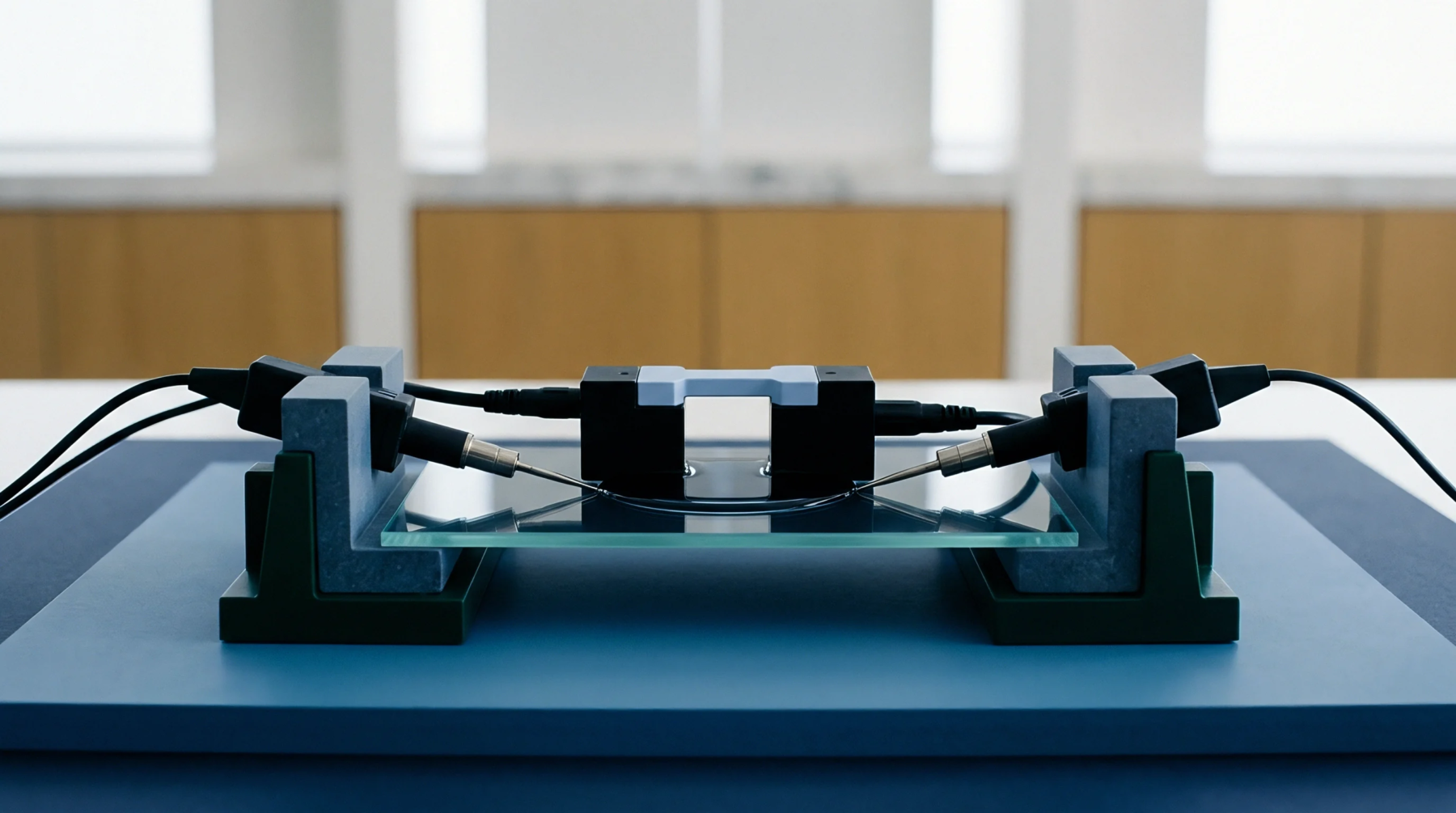
Charging methods involving short bursts of current separated by rest periods manage internal heat and concentration gradients. This pulse charging protocol aims to distribute ions more effectively within the active materials. It is frequently applied to mitigate the growth of unwanted structures like lithium dendrites.
Gradient Management
Ions in the electrolyte are given time to redistribute during the rest phases between pulses. Implementation of a pulse charging protocol reduces the accumulation of ions at the electrode surface, which lowers the local overpotential. This distribution helps in maintaining a more uniform reaction across the entire surface of the anode.
Thermal Control
Periods of inactivity allow the internal heat generated by the resistance of the cell to dissipate. Using a pulse charging protocol can lead to faster overall charge times because the average temperature remains lower than during high rate continuous charging. This approach extends the life of the battery by preventing thermal degradation of the separator material.
Electronic Interface
Software in the battery charger must be capable of precise timing and current control to execute the sequence. A typical pulse charging protocol is tuned to the specific chemistry and age of the battery pack. Proper tuning ensures that the charging speed is maximized while staying within the safe electrochemical limits of the hardware.