
Automotive Cell Incoming Quality Inspection Procedures for Cell Resistance
Automotive cell incoming resistance inspection relies on strict thermal equilibration, isolated 4-wire Kelvin probing, and clear AC-IR vs DC-IR correlation protocols.
Automotive cell incoming resistance inspection relies on strict thermal equilibration, isolated 4-wire Kelvin probing, and clear AC-IR vs DC-IR correlation protocols.

AC impedance screens tab welds at high speed while DC resistance predicts real operating voltage drop, thermal runaway risk, and pack degradation.
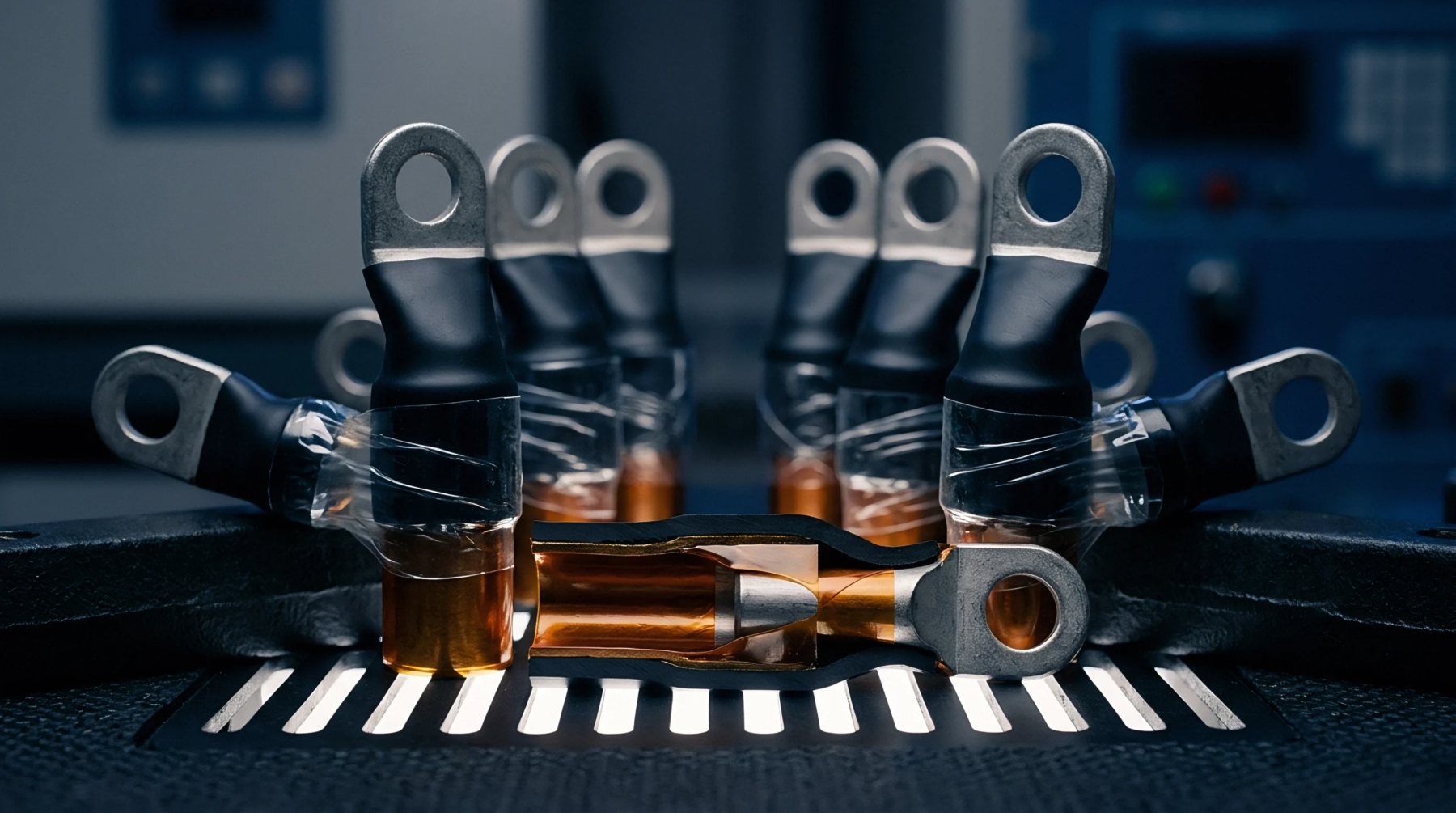
Dynamic voltage drift screening at elevated temperature separates benign chemical decay from dangerous internal micro-shorts in received lithium cell lots.

Optimal defect passivation windows between 1100°C and 1300°C balance hard carbon surface area reduction, initial efficiency, and long-term cycle degradation.

Hard carbon performance relies on precursor heteroatom crosslinking and tuned carbonization thermal ramps to maximize closed porosity and initial capacity.

Precise pyrolysis temperature control between 1200°C and 1300°C optimizes hard carbon d002 spacing to 0.37-0.38 nm, maximizing reversible plateau capacity.
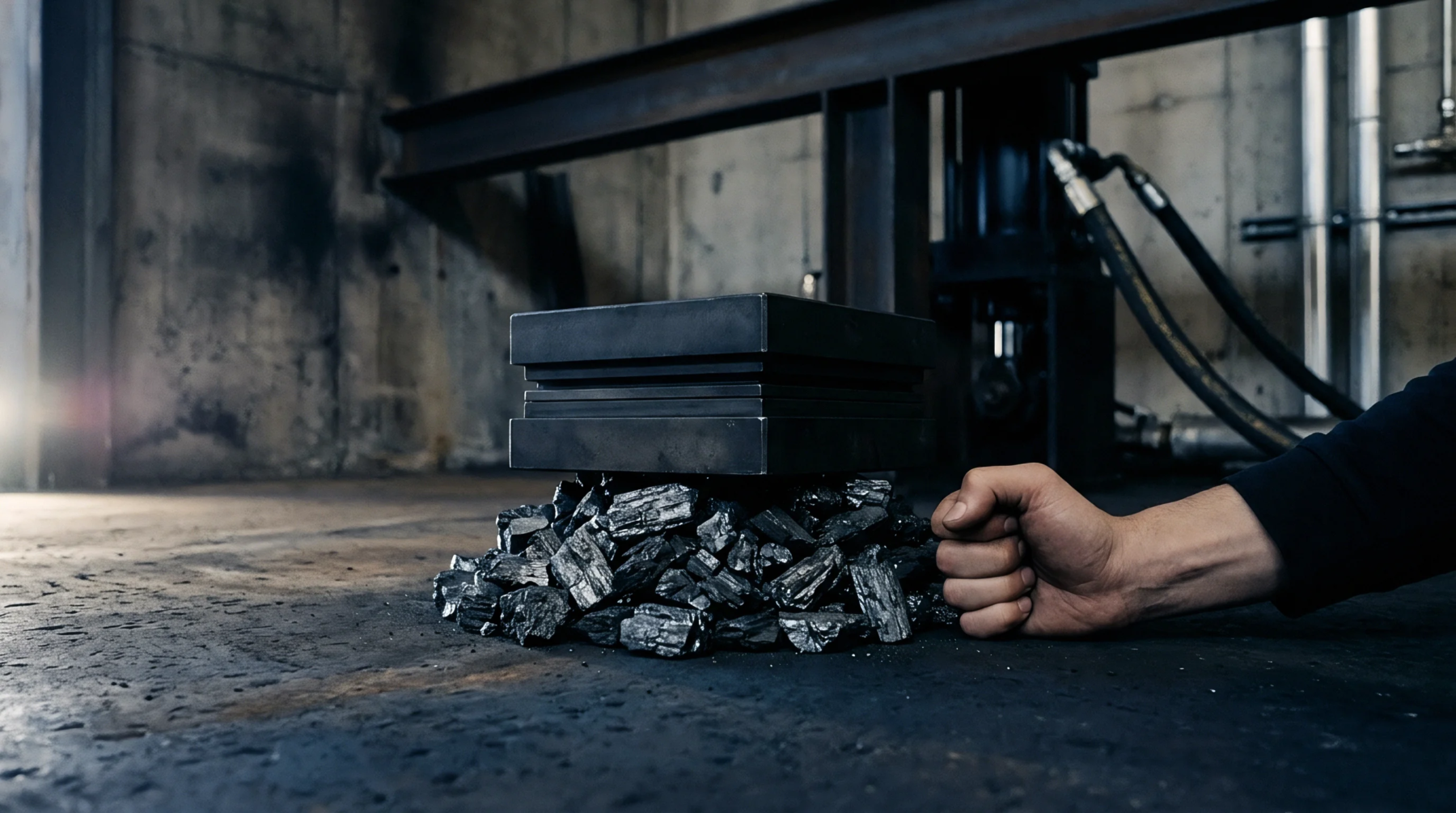
Hard carbon anode selection balances d002 spacing above 0.37 nm, BET area under 3 m2/g, and calender density below 1.05 g/cm3 to secure 88% initial efficiency.

Sacrificial additive depletion in commercial pouch cells follows pseudo-first-order kinetics, triggering gas evolution and rapid impedance rise when exhausted.

Excessive calendering line pressure crushes electrode mesopores below 10 nm, elevating ionic tortuosity and choking high-rate transport despite density gains.

Ozone-assisted pre-oxidation creates oxygen bridges that maximize closed pore nanovoids in hard carbon, raising initial coulombic efficiency above ninety percent.

Controlling pitch air-oxidation at 260°C yields oxygen uptake above 8 percent, preventing mesophase growth and maximizing sodium storage plateau capacity.

Eliminating lithium plating in fast-charging silicon anodes requires reducing out-of-plane tortuosity and maintaining stack pressure between 0.3 and 0.8 MPa.

Differential capacity analysis detects metallic lithium plating on high-current graphite cells by identifying distinct stripping peaks during low-rate discharge.

Active anode potential tracking prevents metallic lithium plating, extending cell life and enabling safe 15-minute fast charging in high-power battery packs.

Combine non-destructive differential voltage analysis with high-resolution computed tomography to prove manufacturing defects and enforce cell lot warranty claims.

Differential capacity spectrum parameter fitting separates calendar lithium loss from electrode degradation through non-destructive low-rate OCV tracking.
Low-rate differential voltage analysis decouples lithium inventory depletion from active material loss, identifying capacity knee risks before failure occurs.

Electrochemical impedance spectroscopy detects subzero lithium plating by tracking charge-transfer resistance collapse and high-frequency phase angle shifts.
Multi temperature thermal soak schedules isolate micro shorts and establish valid cell voltage decay dossiers prior to volume cell procurement.

Prismatic cell subzero charge acceptance requires strict current derating below zero degrees Celsius to prevent irreversible metallic lithium plating.

Controlled mechanical clamping combines rigid platen bracing with elastomeric cushions to constrain cyclic lithium cell swelling stress between 0.2 and 0.5 MPa.

Differential capacity relaxation isolates metallic lithium plating from intercalation during sub-zero rest by tracking characteristic voltage inflection signatures.

Subzero cell performance depends on lowering desolvation activation energy through modified solvation sheath chemistry to prevent low-temperature anode plating.

Electrolyte selection below minus twenty degrees Celsius requires low viscosity esters and imide salts to prevent lithium plating and maintain cell discharge capacity.
Expertise is a utility, not a secret. sentiention™ publishes its working knowledge as open reference: intelligence layer covering the materials it sources, the markets it enters, and the reference that serves both.