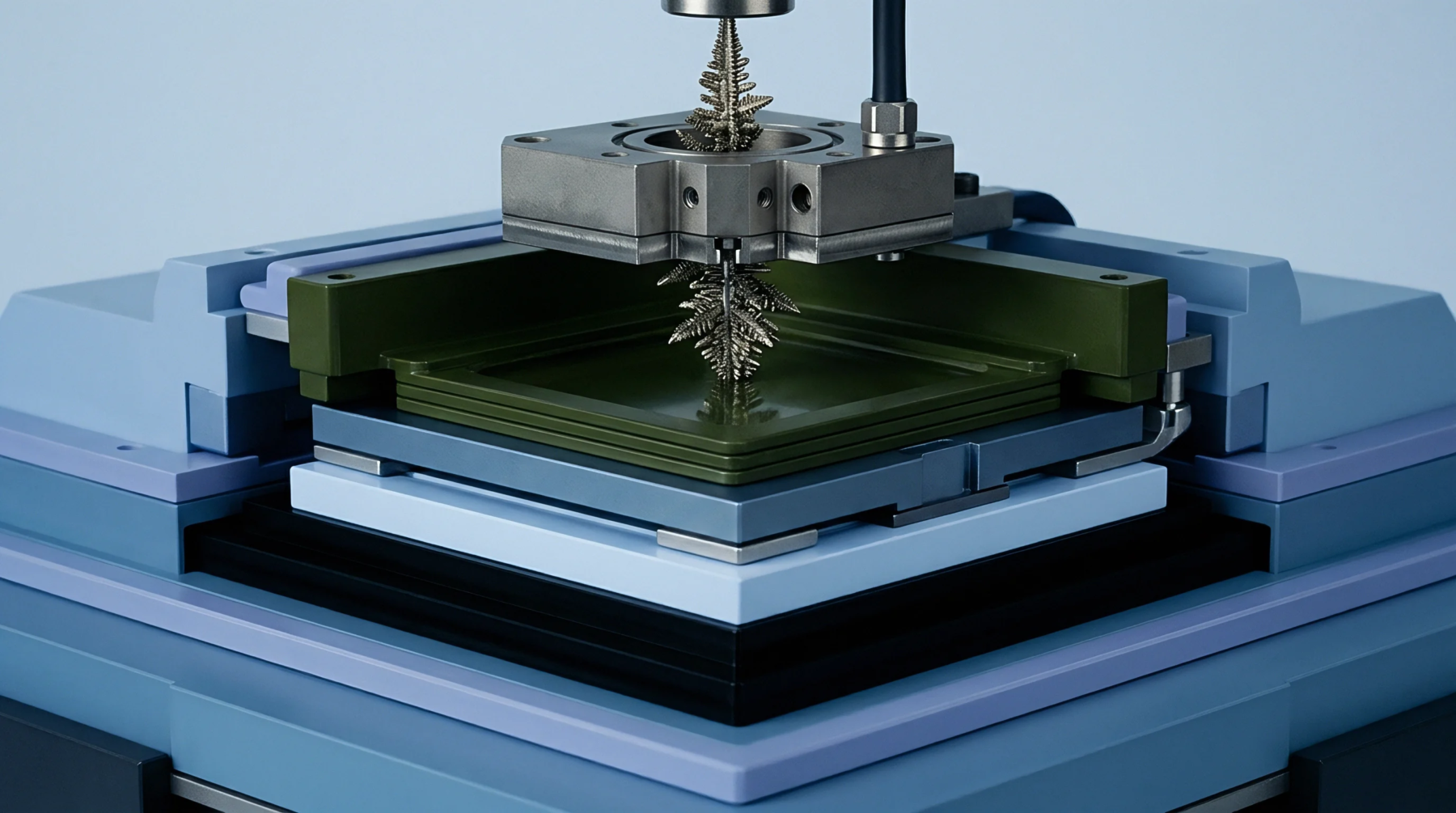
Low Temperature Lithium Plating Mechanisms during High Rate Charging
Sub-zero high-rate charging forces graphite anode potential below zero volts, causing irreversible metallic lithium plating and premature thermal runaway.
The lowest temperature boundary at which an electrochemical cell begins generating internal heat at a rate exceeding the dissipation capacity of its environment marks the initiation of autonomous thermal degradation. In standardized accelerating rate calorimetry tests, self-heating onset identifies the precise temperature where cell heat generation reaches a measurable threshold, typically 0.02 degrees Celsius per minute, under strictly adiabatic conditions. Sourcing teams analyze this thermal parameter when evaluating competitive cell chemistries, balancing energy density against thermal stability safety margins.
The metric indicates the breakdown of the metastable solid electrolyte interphase layer on the anode and the subsequent exothermic reaction between intercalated lithium and organic solvents. This temperature threshold applies exclusively to internal chemical reactivity and does not account for external resistive heating produced by pack busbar contacts or loose interconnects.
Adiabatic testing apparatuses apply heat-wait-search routines to pinpoint the exact thermal transition where autonomous heating begins. The calorimeter brings the cell to a defined temperature plateau, waits for thermal equilibrium, and searches for unprompted temperature drift across a sensitive detection window. When the cell under evaluation demonstrates self-heating onset, the calorimeter shifts into tracking mode, heating the surrounding chamber walls at the identical rate to eliminate heat loss from the cell body.
The recording of this starting point establishes the baseline thermal boundary for all downstream runaway modeling. Variations in cathode composition, binder chemistry, and electrolyte additive packages shift this onset threshold across a broad temperature span. Higher onset figures afford battery pack thermal management systems a larger operational buffer to initiate active cooling before heat generation cascades.
Decomposition of the solid electrolyte interphase layer on carbonaceous or silicon-doped negative electrodes initiates autonomous heat generation. As temperatures climb toward the self-heating onset, meta-stable components such as lithium ethylene dicarbonate decompose into inorganic lithium carbonate, lithium fluoride, and volatile hydrocarbon gases. This exothermic decomposition exposes bare lithiated graphite directly to liquid electrolyte solvents, sustaining secondary exothermic reactions that accelerate internal cell heating.
At temperatures beyond this initial trigger, reduction of solvent molecules by active lithium proceeds without external energy input. The total heat release rate at this stage remains modest compared to subsequent cathode decomposition phases, yet it constitutes the irrecoverable trigger for the thermal runaway sequence.
Thermal management engineering depends heavily on precise onset data to program protective thresholds within battery management systems. System architectures must monitor cell temperature distributions to ensure active cooling interventions deploy before any cell reaches this critical reactivity threshold. Safety engineers define maximum allowable pack operating temperatures with a safety margin positioned below the self-heating onset discovered during cell qualification trials.
Sourcing contracts often specify minimum acceptable self-heating onset temperatures to guarantee consistent chemical stability across high-volume production batches. Discrepancies in onset temperature between sample cells from identical lots frequently unmask quality defects, such as uneven solid electrolyte interphase formation or unreacted residual solvent impurities.
Sub-zero high-rate charging forces graphite anode potential below zero volts, causing irreversible metallic lithium plating and premature thermal runaway.
Expertise is a utility, not a secret. sentiention™ publishes its working knowledge as open reference: intelligence layer covering the materials it sources, the markets it enters, and the reference that serves both.