Meaning
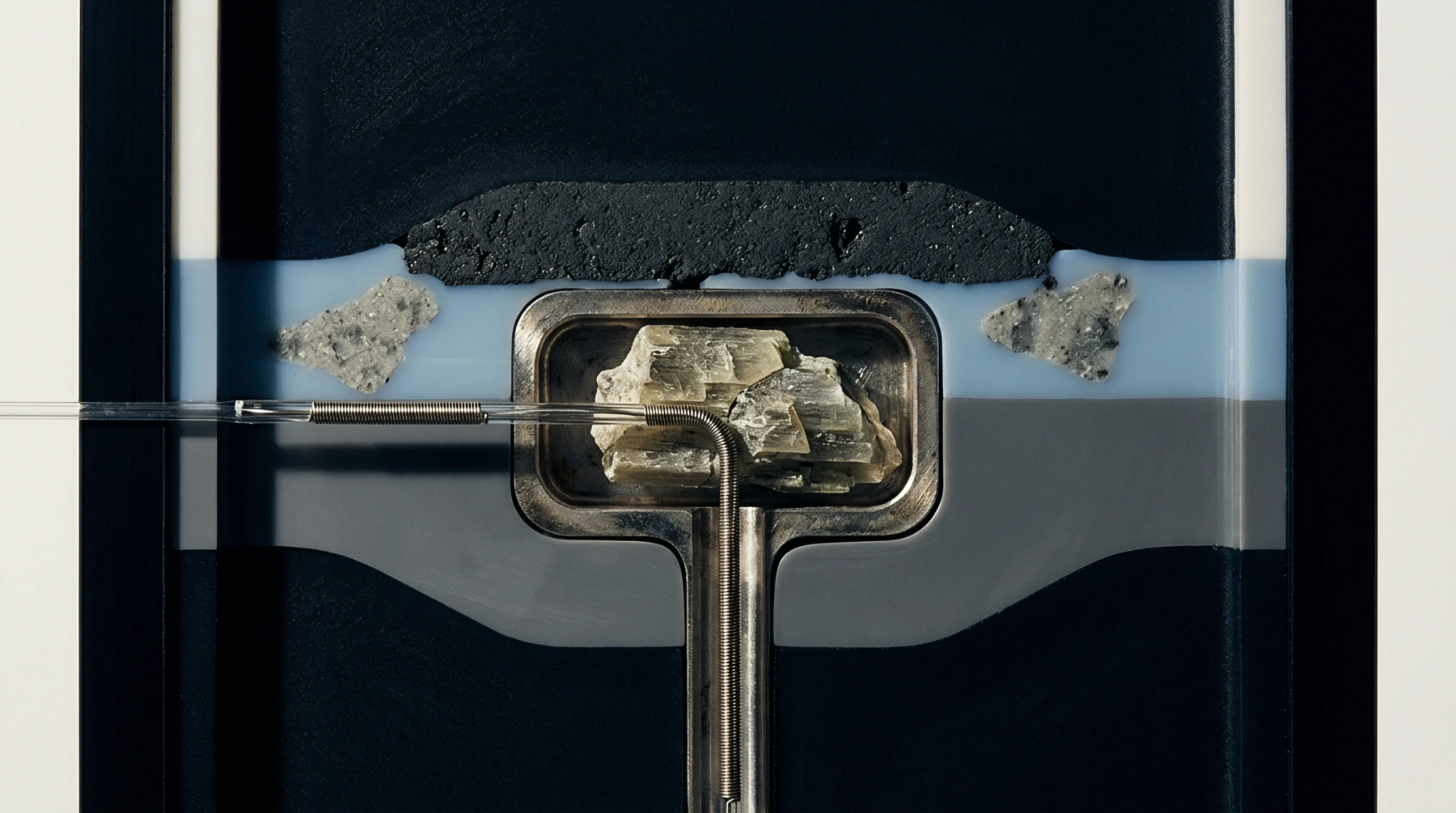
Inorganic chemical substance formed by the thermal reduction of silica with carbon or metallic silicon during vacuum deposition processes. Silicon monoxide represents a brittle solid phase that acts as a precursor material for thin film coating applications. Industrial production requires high temperature environments to stabilize the gaseous state before condensation onto substrates.
Stability of this material depends on strictly controlled atmospheric conditions to prevent premature oxidation into silicon dioxide.
Production Mechanism
Chemical vapor deposition utilizes raw pellets of this substance to generate semiconductor grade layers on high precision optics. Operators heat the material under reduced pressure until sublimation occurs. Vapor travels through the chamber to settle on glass or wafer surfaces in uniform patterns.
Layers created through this method provide protective barriers against environmental corrosion. Consistent deposition rates guarantee the optical clarity required for laser components.
Process Influence
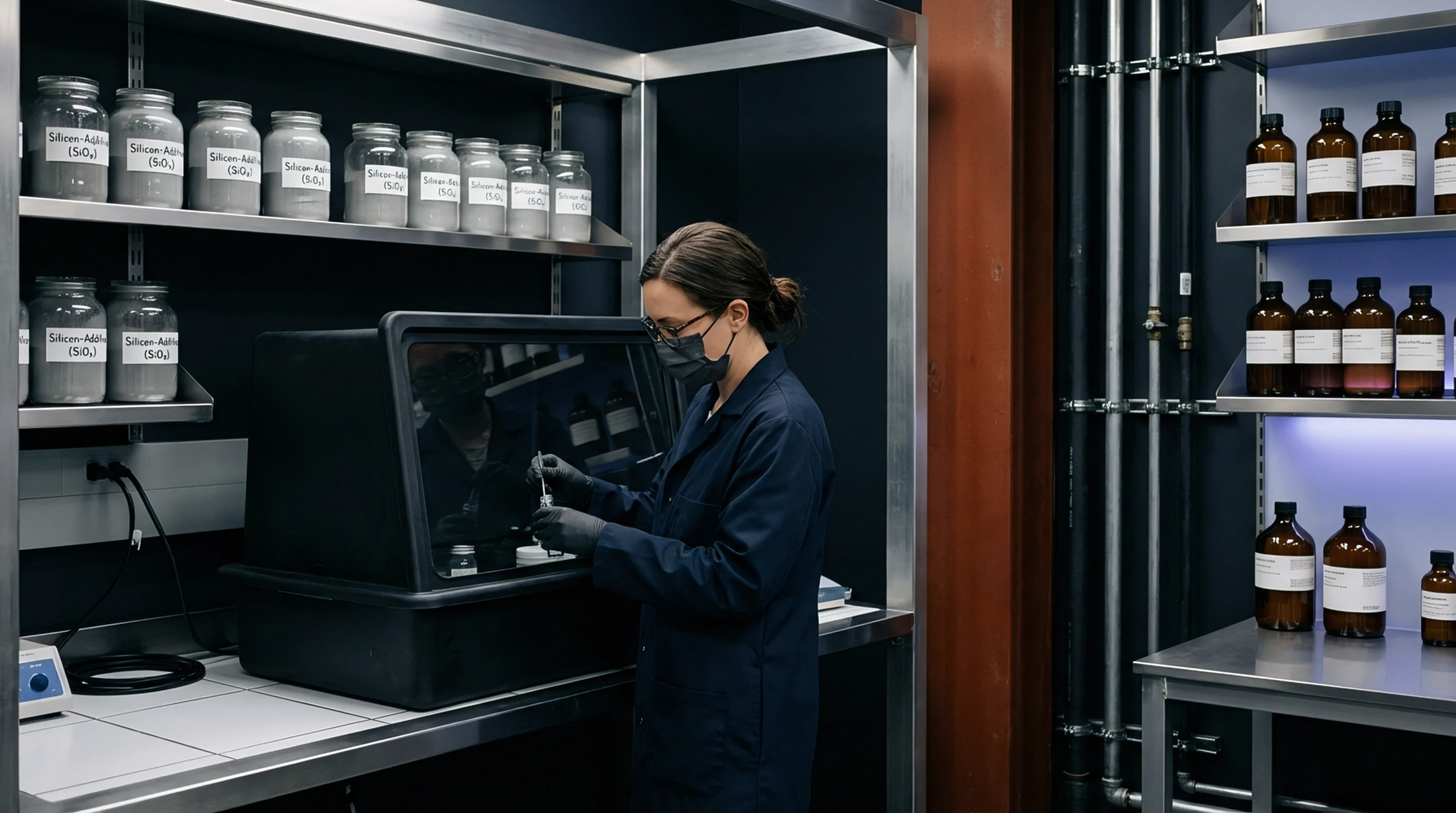
Thermal expansion coefficients of silicon monoxide dictate the mechanical durability of coated components when exposed to fluctuating temperature ranges. High levels of contamination within the starting material alter the refractive index of the final optical layer. Engineers monitor the purity of the source charge to avoid refractive irregularities during coating operations.
Consistent batch quality supports predictable performance across long duration cycles.
Material Performance
Electrical insulation properties define the suitability of thin films formed from this compound for specific microelectronic applications. Dielectric strength remains high when the stoichiometry stays close to the intended ratio. Deviation from this ratio produces conductive leakage paths that compromise circuit functionality.
Precise control over the deposition atmosphere governs the integrity of the finished barrier.