Meaning
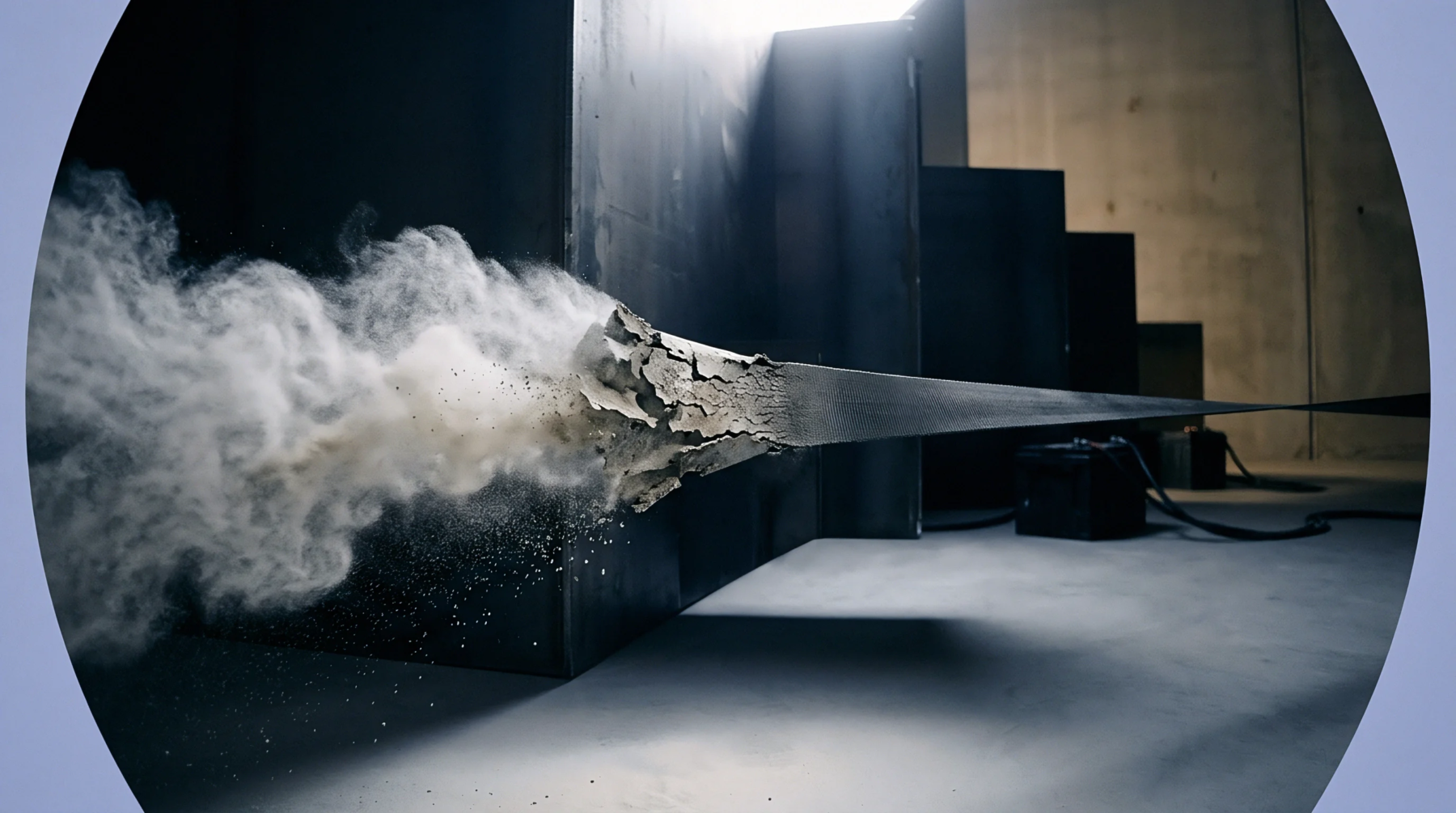
Stored mechanical potential energy accumulates within a solid material as it undergoes elastic deformation under applied force or internal volume change. This strain energy drives the cracking and mechanical degradation of high-capacity active materials, such as silicon anodes or nickel-rich cathodes. Sourcing active materials with high fracture toughness helps withstand this stored energy without structural failure.
Material suppliers evaluate cathode crystal structures to identify configurations that distribute the mechanical strain evenly, reducing the total energy stored during deep cycles.
Crack Propagation
Accumulation of internal stresses occurs as lithium ions intercalate into the host lattice during high-rate charging. When the accumulated strain energy exceeds the critical surface energy of the active particle, new cracks form to release the mechanical tension. This fracturing exposes fresh surface area to the electrolyte, leading to continuous consumption of active lithium.
Stress Relief
Polymeric binders act as a mechanical buffer to absorb and dissipate the stresses generated during cycling. This strain energy is converted into heat or distributed across the polymer networks, preventing localized stress from reaching the fracture threshold of the active particles. Elastic polymers are selected to manage these stress cycles without permanent deformation.
Binder Performance
Sourcing choices for functional binders focus on those that combine high elasticity with strong chemical adhesion to the active material. Because the stored strain energy can pull the binder away from the silicon particles, a strong molecular bond is necessary to prevent electrical isolation. This adhesive strength ensures the electrode matrix remains conductive during high-rate operations.