Meaning
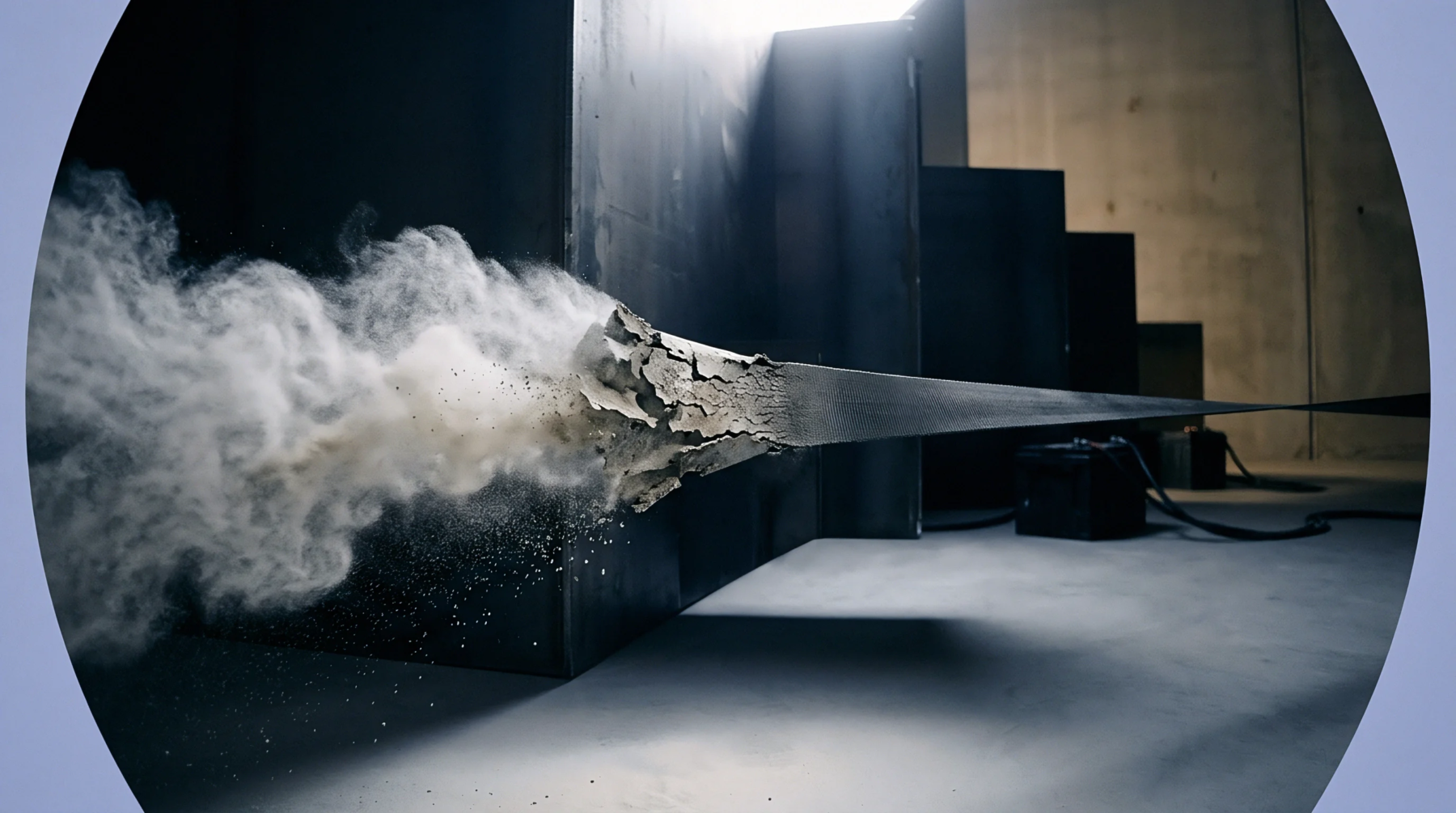
Consolidation technique using high density electrical pulses and uniaxial pressure converts ceramic or metal powders into solid densified components at low temperatures. The spark plasma sintering process relies on the direct heating of the graphite die and the sample itself by passing a current through them. Because heat is generated internally rather than through external furnace elements, the ramp rates can reach several hundred degrees per minute.
This speed limits grain growth and allows for the production of materials with fine microstructures that are impossible to reach via conventional methods.
Current Density
Intense electricity causes localized heating at the contact points between individual powder particles. During spark plasma sintering, the high concentration of current promotes rapid surface diffusion and atomic movement. This effect enables the densification of refractory materials well below their standard melting or softening points.
Precise control of the pulse frequency and amplitude ensures uniform heat distribution across the sample.
Cycle Time
Rapid cooling follows immediately after the short hold at the target temperature to preserve the non equilibrium phases. A typical spark plasma sintering run finishes within fifteen to thirty minutes, compared to several hours for traditional hot pressing. High throughput allows researchers to explore vast arrays of material combinations in a short timeframe.
Industrial adopters benefit from reduced energy consumption per unit of produced material.
Process Limitation
Equipment size and die geometry restrict the scale of parts that can be successfully manufactured. In spark plasma sintering, maintaining a perfectly parallel electrical path becomes harder as the diameter of the tool increases. Non uniform current flow leads to hotspots and density gradients inside the final product.
Despite these challenges, the technique remains the standard for creating high performance solid state battery components and advanced thermoelectric devices.