
Thermodynamics of Refractory Powder Passivation Surface Oxide Reduction
Controlling oxygen partial pressure and furnace dew point during thermal reduction strips surface oxides without triggering particle necking or tap density loss.
Controlling oxygen partial pressure and furnace dew point during thermal reduction strips surface oxides without triggering particle necking or tap density loss.

Entrapped argon voids in vacuum gas atomized powder cause thermally induced porosity during thermal processing, requiring tight argon specifications under 0.5 ppm.

Gas atomization parameters and nozzle delivery pressures dictate argon entrapment levels, governing melt superheat control and inert gas mass monitoring.

Maintain negative aspiration pressure above 25 kPa gauge using optimized close-coupled tip recess geometries to eliminate argon entrapment in tool steel powders.
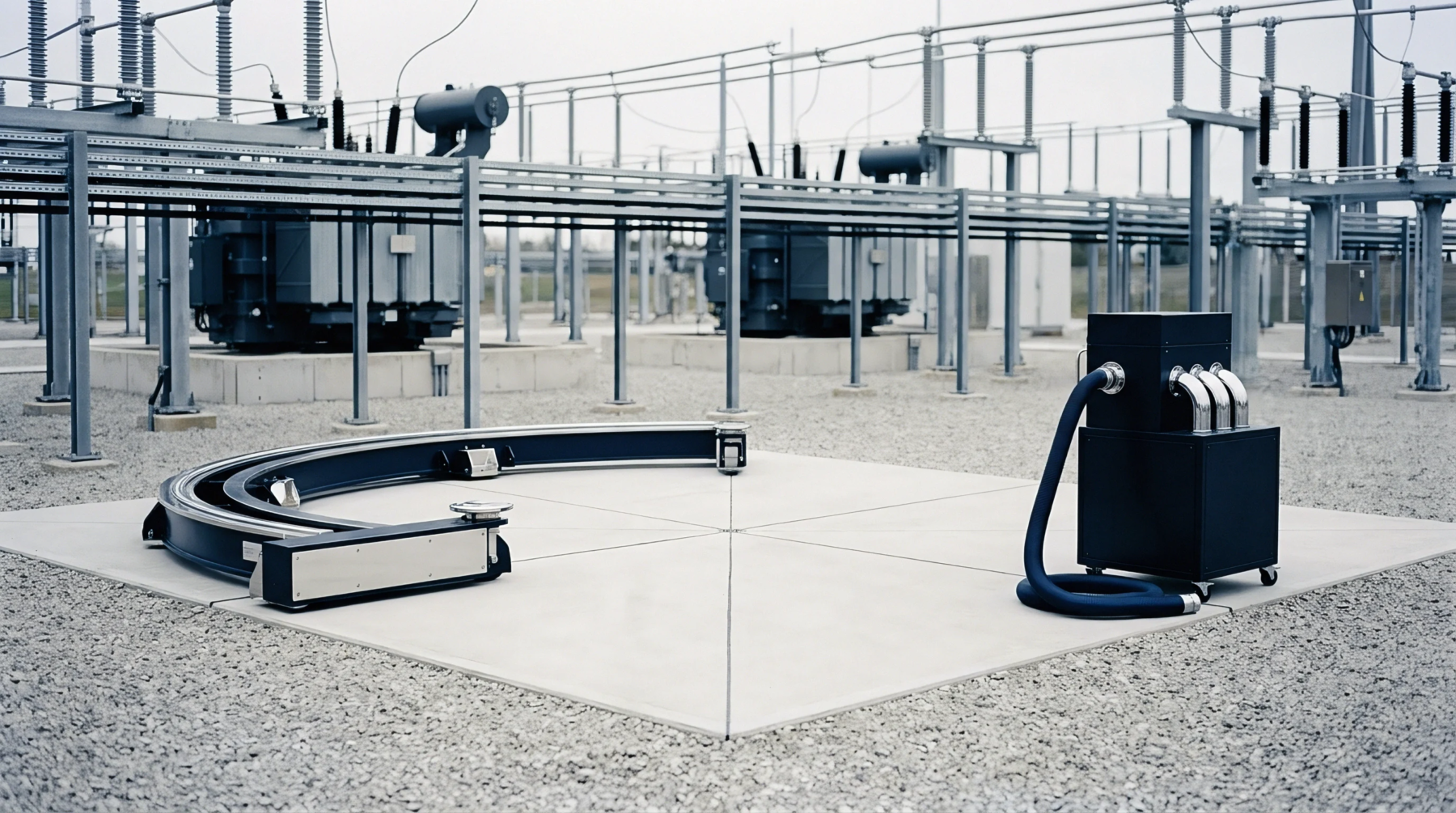
Controlling melt superheat and nozzle pressure limits vapor pressure elemental loss while helium purge or vacuum degassing eliminates micro-cavity gas voids.

Carbothermic reduction during consolidation relies on controlling vacuum CO partial pressure and outgassing hold times to strip native oxides cleanly.

Argon void modeling links powder atomization physics to HIP kinetics, allowing buyers to set strict gas limits that prevent tool strength loss.

Vacuum outgassing below 10-3 mbar and extended hold times at 1150°C break down subsurface oxides to ensure full interparticle bonding in tool steels.

Gas atomization of tool steel powders requires maintaining melt superheat at 150°C above liquidus and gas-to-metal ratio between 1.8 and 2.5 to optimize yield.
Expertise is a utility, not a secret. sentiention™ publishes its working knowledge as open reference: intelligence layer covering the materials it sources, the markets it enters, and the reference that serves both.