Meaning
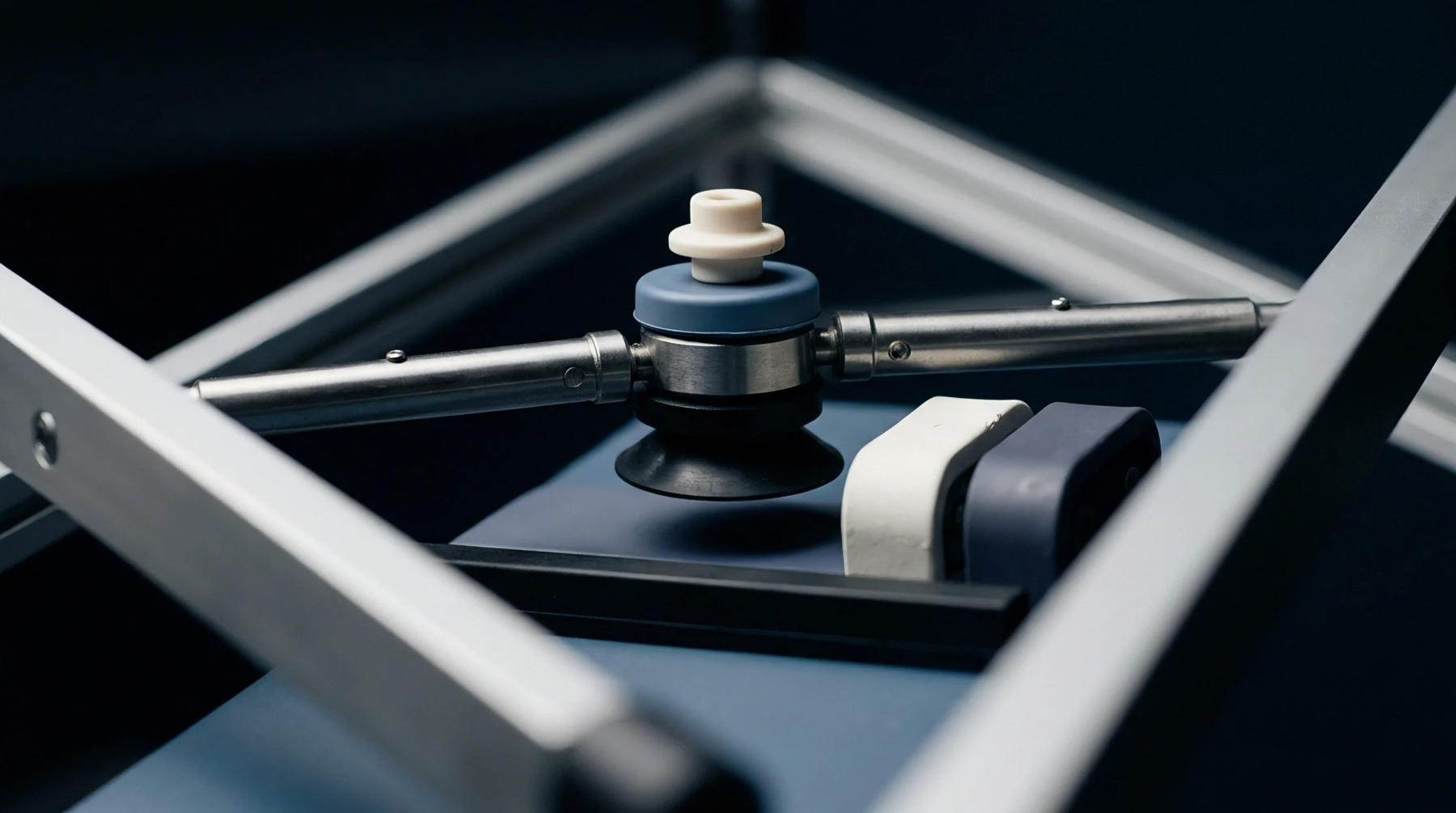
Pressure differentials measured at a vacuum intake port evaluate potential holding or suction force under zero fluid flow conditions. In battery cell liquid handling systems, static suction pressure determines the maximum lifting and holding force an aspirator or vacuum pick-and-place fixture exerts when sealed against a surface. This metric establishes the baseline pull force prior to fluid movement or air leakage.
Vacuum Generation
Venturi aspirators and positive displacement vacuum pumps reach peak pressure differential when fluid motion through the suction channel stops completely. Measuring static suction pressure verifies system tightness and vacuum generator health before initiating active dosing, scavenging or pouch handling operations. In electrolyte evacuation lines, a drop in static pressure indicates worn seals, blocked lines or pump membrane fatigue, which compromises liquid retrieval efficiency.
Equipment specifications dictate minimum static vacuum levels to ensure reliable handling of heavy prismatic cell components without slipping during high-speed transfer steps. Maintenance protocols mandate daily static pressure checks against calibrated transducers to validate line readiness before starting automated shifts.
Fluid Removal
Barometric pressure variations affect the absolute negative pressure attainable by venturi-based pneumatic vacuum generators. High-altitude manufacturing facilities must compensate for lower atmospheric reference levels to achieve equivalent holding forces. Matching pump capacity to local ambient conditions prevents operational drops in suction performance.
Operating Boundary
Performance thresholds lose relevance once fluid or gas begins flowing actively through the intake line. Dynamic pressure drops occur as fluid friction and flow rate increase, reducing effective suction force at the nozzle tip. The static measurement applies solely when the intake pathway remains fully sealed.